More volatility in financial markets likely this week
Long-term economic effects are expected to be more muted for the US and rest of the world, than for the UK
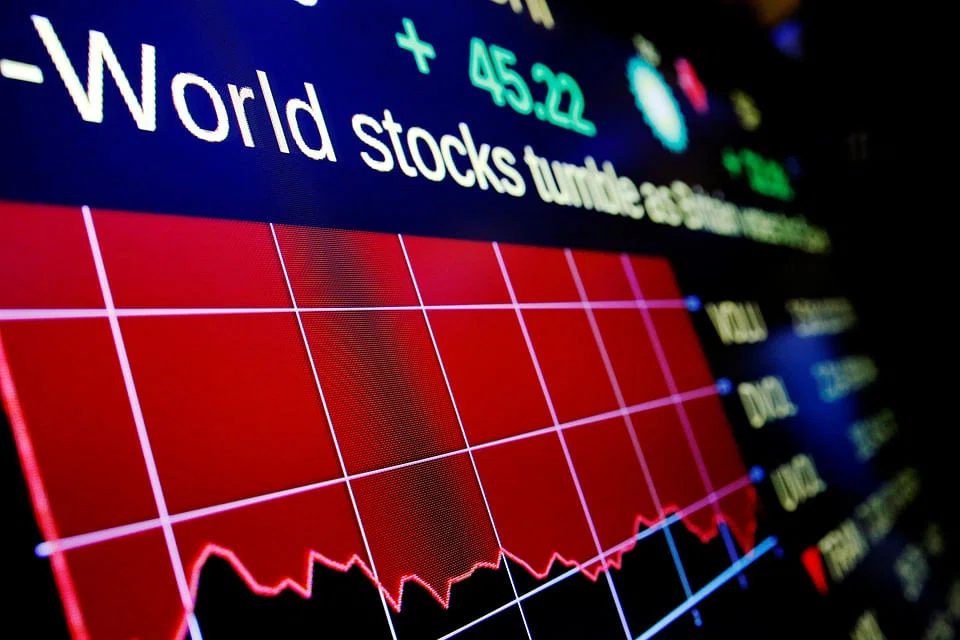
WITH its epicentre in Britain, the biggest "earthquake" since the failure of Lehman Brothers hit financial markets last Friday and there are likely to be after-shocks aplenty this week.
Traders woke up to a new European order on Friday, discovering that the United Kingdom was quitting the European Union. The blue-chip Dow Jones Industrial Average suffered one of its biggest point losses since the Great Recession, falling by more than 600 points. Volatility spilled into the stock market from foreign-exchange markets where sterling fell more than 7 per cent against the dollar.
Forex traders had laid billions of dollars in bets that Prime Minister David Cameron would quell the revolt in the Conservative Party, wagers that proved almost as woefully miscalculated as the referendum itself. Mr Cameron had attempted to put an end to divisions in the Conservative Party over EU membership by calling the vote. Instead, he put an end to nearly 50 years of British participation - albeit sometimes half-hearted - in the "European project", and to his term as prime minister.
Ahead of the vote, the assumptions that the UK would avert the crisis despite polling data to the contrary were reminiscent of the doubts about Donald Trump's early lead in Republican primary polls. "The voters will never go through with something so crazy," the pundits said, in both cases. In both cases, the predictive powers of markets, bookmakers, strategists and the admonishments of politicians and media figures were swept aside by an angry electorate in a populist mood.
One businessman in Ireland said the vote in the UK signified a "complete collapse globally of voter trust in establishment politics, which is more worrying than the Brexit itself".
The UK joined a precursor to the EU in 1972, but public opinion about the "common market" as the British press called it, was ambivalent from the start. Mutual suspicions born of countless wars between Britain and continental powers were never far from the surface - and many British people still remember that French President Charles de Gaulle had vetoed Britain's first attempt to join. In the UK "eurosceptics" were consigned to the back benches of both parties, but they never went away. The refusal to surrender the pound sterling and embrace the euro in 1999 was, in hindsight, the beginning of the end.
The "Brexit" vote was an emotional response, a revival of the jingoistic nationalism that occasionally sweeps Britain. Leaving the EU makes little economic sense for the UK. Access to the European Central Bank was one of the reasons that the City of London became a global centre of finance in the last 20 years. For British manufacturers like Rolls Royce and British multinational consumer businesses like Tesco, cross-border trade concessions were crucial parts of the business model.
Germany, now by far the biggest EU economic power, might eventually support some kind of "associative" role for the UK, but only after Britain had paid a price for its rash exit, The Guardian newspaper reported.
Some of the dire warnings are merely "posturing", said one strategist.
"There's a symbiotic relationship between the City of London and the rest of Europe," said Quincy Krosby, market strategist at Prudential Financial. "If the EU wants to punish Britain for this, they'll wind up punishing themselves."
For the US, the most immediate threat is the upheaval in the bond and foreign exchange markets, said one brokerage.
"The most direct channels of impact are expected to be through a ratcheting tighter in financial conditions that to some extent also captures the impact on foreign growth and US exports," said analysts at brokerage Morgan Stanley, in a research note.
On Friday, commodities and energy futures resumed the crash experienced late last year and in early 2016, largely because of the spike in the safe-haven dollar in the wake of the Brexit reports. Moves in the dollar can also hurt the profits of exporters like Boeing and Procter & Gamble.
After the initial market shock passes, Brexit could have a profound effect on the rate of economic growth for the UK and, perhaps, even the EU. For the US and the rest of the world, long-term effects should be more muted. For that reason, some money managers are predicting that the plunge in US stocks will be short-lived.
"What is occurring in the UK and EU is not a financial crisis the likes of which we experienced in the Great Recession; it is a political crisis," said portfolio strategists at money manager Alpha Capital Management. "It is very likely that we will continue to see volatility in the markets in the days, weeks, and perhaps months ahead as the market digests the potential impacts of a Brexit, but there is no evidence to suggest that the global economy is in danger of entering a severe downturn."
In the US this week, investors will see the latest reading of the first-quarter gross domestic product report and other data. But stocks will likely take their cues from sterling and the euro.
For more coverage of the EU referendum, visit bt.sg/BrexiT
More reports on Brexit impact: