No AI, poor returns drive Indian investors to foreign markets
India is only about 3% of the global equity market
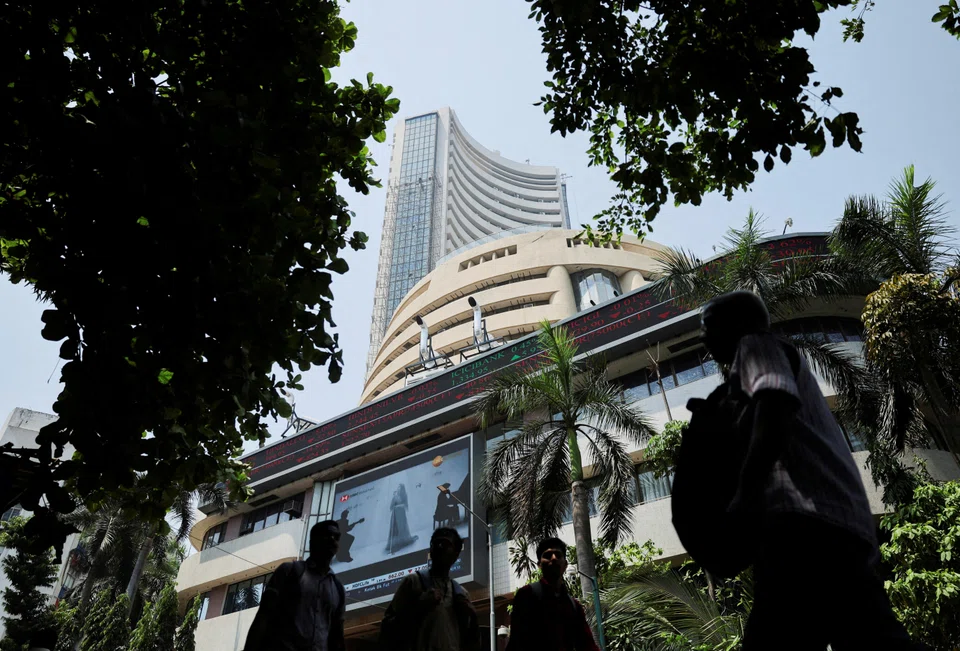
[MUMBAI] Investors in India, long focused almost entirely on domestic markets, are increasingly starting to look outward.
A growing number are moving money abroad, seeking diversification after a stretch of weaker relative returns and sustained foreign outflows from local equities that have driven the rupee to record lows.
Indians invested more than US$2.2 billion in overseas equities and debt in the 11 months to February, a 60 per cent jump from the year-ago period, according to Reserve Bank of India data. Meanwhile, assets in global feeder funds run by local money managers hit a record US$4 billion in March, data from the Association of Mutual Funds in India show.
What’s changing is how local investors are thinking about their portfolios. India is only about 3 per cent of the global equity market, and its stocks do not always move in line with the rest of the world, making overseas investing a simple way to spread risk. A weaker rupee is making foreign assets attractive, as overseas returns get a currency boost, while easier access is attracting more people.
The shift is also being driven by the performance of local shares. The MSCI India Index has trailed its emerging markets counterpart by nearly 50 per cent over the past year, even after recovering from its March lows. This is mainly due to slower earnings growth and limited exposure to themes like semiconductors. Meanwhile, markets such as Taiwan and South Korea have reached new highs.
“I wanted to be where the real innovation is happening,” said Abhishek Dadhich, a 38-year-old tech employee in the Indian city of Pune, who has been investing in US stocks since 2023. Dadhich said that his grasp of technology helped him more than triple his investments to over US$300,000, exceeding his expectations.
Investors like him are driving growth in platforms that let Indians trade foreign stocks. Assets with Vested Finance topped US$1 billion in April, about doubling from a year ago, founder Viram Shah said. The firm aims to reach US$5 billion over the next three years, he said.
India allows individuals to remit up to US$250,000 abroad, but the policy has been underutilised for investment purposes mainly due to the lack of convenient platforms for transactions.
That’s changing. Clearer rules for global products from Gift City – India’s low-tax hub – and mobile apps that allow direct overseas investing are lowering barriers for retail investors.

Local asset managers are responding to this demand. Firms such as DSP Asset Managers and PPFAS Asset Management have launched outbound funds from Gift City for retail investors. The first was DSP’s Global Equity Fund in June, which invests mainly in the US but also picks stocks from Taiwan, China, and Europe.
The attraction is about what’s in short supply at home. Exposure to themes such as artificial intelligence, memory chips and data-centre infrastructure – a major driver of gains in markets such as Korea and Taiwan – is still limited in India’s US$5 trillion equity market.
“Diversification benefits are real”, as they give investors an exposure to a broad swath of tech stocks, said Sandipan Roy, chief investment officer at Motilal Oswal Private Wealth, which manages US$21 billion. “Investors have grown wary of the continuing headwinds that have hit Indian markets.”
To be sure, global investing still makes up a small share of overall flows, with most money staying in local stocks and bonds. Recurring investment plans by mutual funds alone have brought in about US$3 billion every month recently, helping offset record foreign outflows from Indian equities.
Even so, overseas-focused funds from India have delivered strong returns. The HSBC Brazil Fund, run by the bank’s local fund management arm, has gained nearly 70 per cent in the past year, and the Axis Greater China Fund is up 65 per cent.
While platforms such as Interactive Brokers and Vested are popular, other players are starting to step in.
Zerodha Broking, which pioneered zero-brokerage stock trading in India, aims to roll out access to global stocks, CEO Nithin Kamath said on the firm’s YouTube channel. State Street is set to bring out model portfolios of overseas stocks for local retail investors, a source familiar with the matter said earlier.
“I see 2026 as the year global investing goes mainstream,” Vested’s Shah said. BLOOMBERG
Decoding Asia newsletter: your guide to navigating Asia in a new global order. Sign up here to get Decoding Asia newsletter. Delivered to your inbox. Free.
Share with us your feedback on BT's products and services