

Singapore stocks barely up as markets elsewhere cheer Fed’s lower hikes

Tay Peck Gek
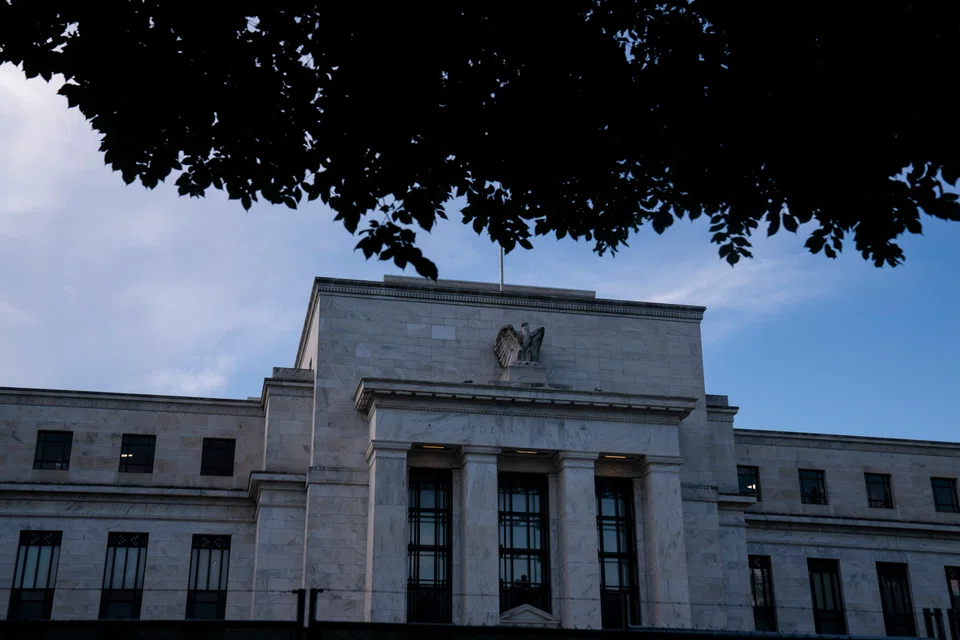
MOST Asian equities cheered the less hawkish stance of the US Federal Reserve (Fed), but Singapore shares closed flattish on Thursday (Dec 1).
The benchmark of 30 blue chip stocks, the Straits Times Index (STI), stood at 3,292.73 points, up only 0.1 per cent or 2.24 points, although it had opened 0.6 per cent higher.
As the local banking trio account for over 40 per cent of the STI, slower rate hikes would mean limited upside for their net interest margins. DBS and OCBC closed lower, both dropping 0.7 per cent to S$34.95 and S$12.35 respectively. UOB , interestingly, managed to rise by 0.4 per cent to S$31.33.
Investment products distribution platform iFast Corporation , in contrast to the banks, jumped 8.1 per cent to S$5.73, as lower interest rates augur well for stock investing.
Across the broader bourse, gainers beat decliners 344 to 212, with 1.4 billion securities worth S$1.3 billion transacted.
Elsewhere in Asia, most markets closed higher, boosted by Wall Street overnight gains after the US central bank said it is moderating the pace of interest rate increases.





Amid the investor optimism, DBS Group Research remained wary of markets underestimating the Fed’s resolve to control inflation. In a report on Thursday, it noted that the Fed meeting is shaping up to be a “buy on rumour, sell on fact” event risk, and that markets are discounting the smaller 50-basis-point hike while ignoring the Fed’s earlier message to lift its 2023 target above 4.6 per cent.
Decoding Asia newsletter: your guide to navigating Asia in a new global order. Sign up here to get Decoding Asia newsletter. Delivered to your inbox. Free.
Copyright SPH Media. All rights reserved.
TRENDING NOW

Grab CEO’s wife Chloe Tong on life with Anthony Tan and finding her purpose

Hwa Seng Builder, two China companies win S$1.2 billion Tuas Road Viaduct phase two contracts

Deal between tycoon friends sparks scrutiny of Philippine power sector

Canada is upping oil flows to Asia, but South-east Asia’s refineries aren’t ready to handle them yet

