

South Korea’s world-beating stock rally stumbles as global funds sell
Kospi hits 8,000, but gains vanish as foreign tech selling turns a morning surge into a retreat
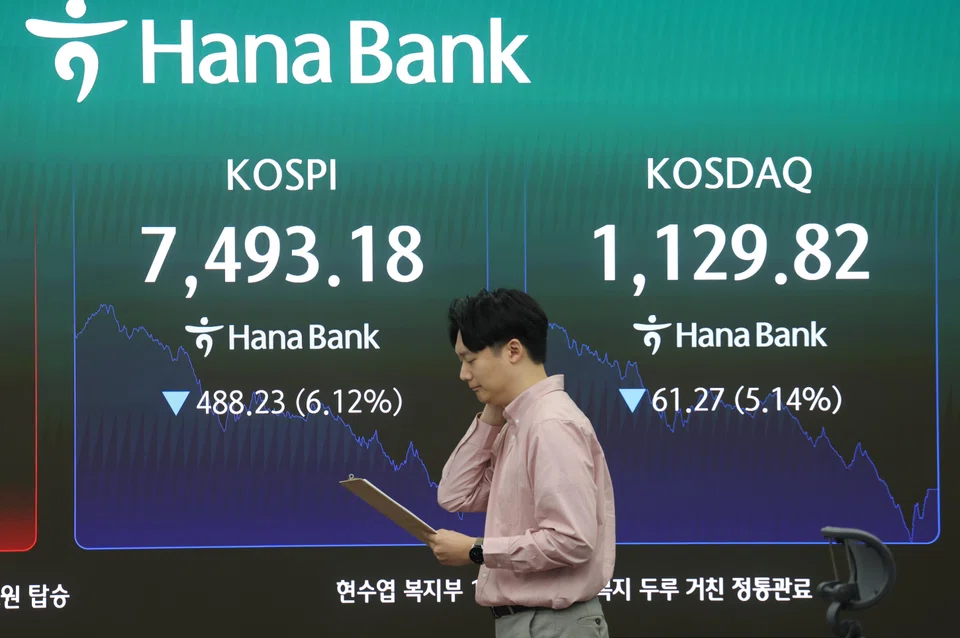
[SEOUL] South Korea’s world-beating stock rally came to a sudden halt as the benchmark tumbled on Friday (May 15), underscoring the vulnerability of a market dominated by a pair of chipmakers.
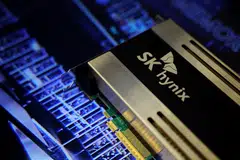
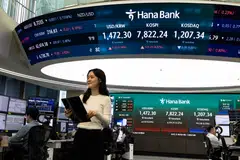
The day started on a buoyant note, with the Kospi Index hitting the 8,000 milestone and triggering celebration in trading rooms. But those gains quickly evaporated as foreign investors extended their selling streak, largely cashing out of technology shares. Samsung Electronics closed down 8.6 per cent and SK Hynix fell 7.7 per cent, pushing the index 6.1 per cent lower.
The drop – with no clear catalyst beyond ongoing concerns over Samsung’s labour dispute – underscores how a rally built on crowded positioning can swiftly unwind. Of the Kospi’s near-90 per cent ascent this year through yesterday, the chip duo accounted for two thirds of the gains.
“The market is showing signs of fatigue and caution is creeping in,” said Jun Gyun, a derivatives analyst at Samsung Securities. “The pullback looks like exhaustion after a rally that came too fast, too hard – not a story of deteriorating earnings or a bubble bursting. It’s too early to call it that.”
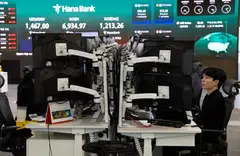
The Kospi was down as much as 7.6 per cent at one point, its biggest intra-day drop since Mar 9. Foreign investors sold 5.6 trillion won (S$4.9 billion) worth of the Kospi shares on a net basis, taking this week’s withdrawal to 14.3 trillion won. The benchmark was flat for the week.
Korean equities led the region’s losses on Friday as uncertainties rose on the Iran peace talks and the US-China summit lacked meaningful outcomes. President Donald Trump’s remarks that the US does not need the Strait of Hormuz to open also soured the sentiment while higher bond yields and oil prices hurt the risk appetite.
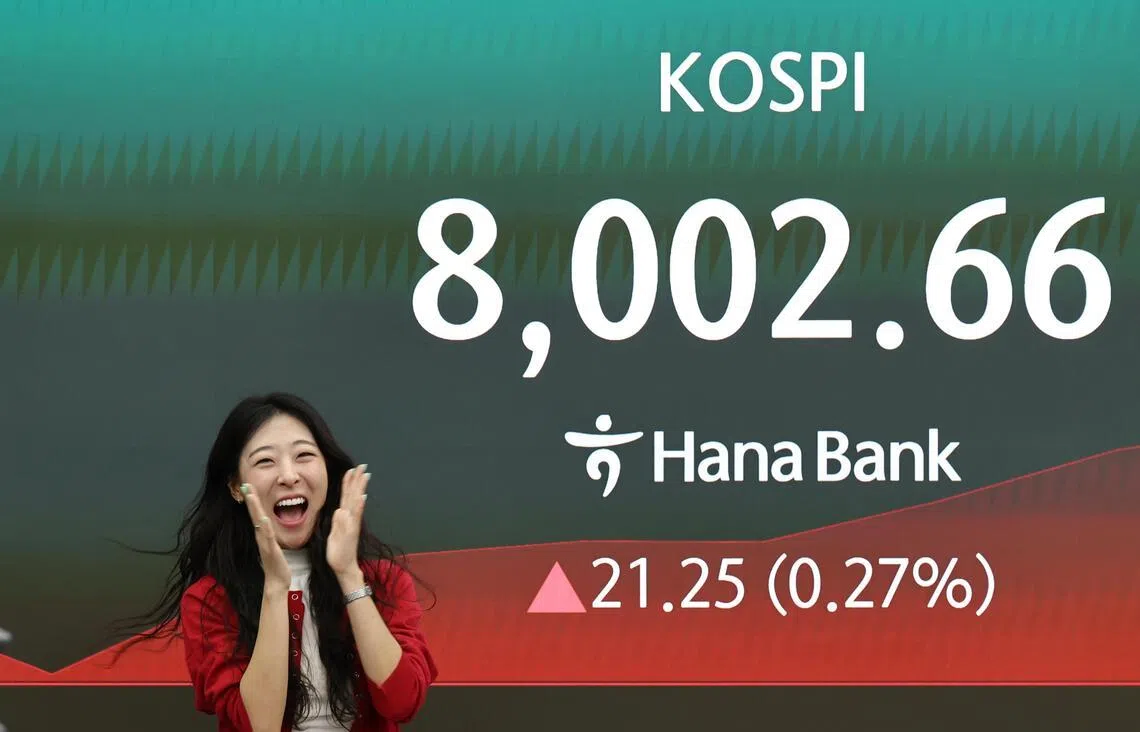
The Korea Exchange briefly halted Kospi programme selling earlier in the day after futures slumped more than 5 per cent. In a sign of how quickly sentiment reversed, the bourse cancelled a celebration event it had planned for the 8,000 milestone.
The slide marked the second major sell-off this week, echoing Tuesday’s moves and highlighting the outsized impact momentum-driven traders can have on market stability.
Losses accelerated on Samsung shares after its labour union indicated that negotiations with the company were expected to resume only after Jun 7. Investors took the announcement as a sign of an extended labour strike, according to Roy Lim, an equity sales trader at NH Investment & Securities. Samsung urged the union to join the dialogue over bonus payment after they failed to reach an agreement.
SEE ALSO
“There may be more legs in Samsung’s rally but there seems to be more investors who decided to partly lock in their profits for now,” said Ha SeokKeun, chief investment officer at Eugene Asset Management.
With Samsung and SK Hynix accounting for nearly half of the Kospi Index and leveraged exchange-traded funds tracking them hugely popular, rebalancing flows for such products have contributed to market swings. Some 17 per cent of SK Hynix’s daily trading volume and 10 per cent of that for Samsung likely came from the rebalancing on Friday, according to Kaanhari Singh, APAC head of equities tactical strategies at Barclays.
The Kospi 200 Volatility Index is hovering around a record high versus the Cboe Volatility Index, a sign that hedging against market swings has become expensive. Specifically, the cost of protecting against declines has now reached its highest level since March.
Daily gyrations of 5 per cent or more have become more common in the Korean stock market, making the Kospi index the most volatile major stock gauge worldwide. Retail investors are borrowing record sums to amplify their bets and trading volumes have soared to all-time highs.
While the Kospi remains cheaper than US equity benchmarks based on earnings, “it is expensive relative to Korea’s own history,” said Christian Heck, a portfolio manager at First Eagle Investments. “The more important point is that the Kospi has become, to a large extent, a bet” on two large memory semiconductor companies comprising about half of the index weighting. BLOOMBERG
Decoding Asia newsletter: your guide to navigating Asia in a new global order. Sign up here to get Decoding Asia newsletter. Delivered to your inbox. Free.
Share with us your feedback on BT's products and services
TRENDING NOW

LTA proposes combining car COE categories, adding rebate-surcharge system
StarHub to acquire MyRepublic’s mobile business amid ongoing telco consolidation

DBS, OCBC, UOB rout lops billions off STI as inflation, rate concerns spook investors

Grab CEO’s wife Chloe Tong on life with Anthony Tan and finding her purpose

