

S&P 500, Nasdaq reach record closing highs as focus pivots to earnings
Six of the ‘Magnificent Seven’ group of AI-linked firms advance; small-caps lag larger-caps
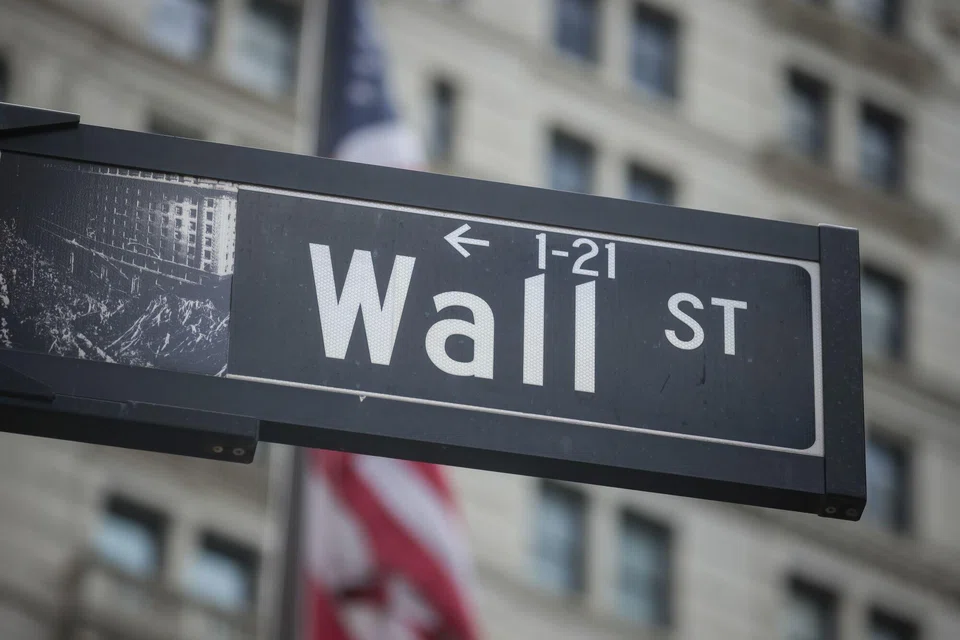
[NEW YORK] US stocks ended higher on Tuesday (Oct 6) as crude prices steadied and US Treasury yields eased, offering some reprieve from concerns that have preoccupied investors in recent weeks, and allowing markets to turn their attention to the approaching third-quarter reporting season.
The broad rally pushed the S&P 500 Index and the Nasdaq Composite to all-time closing highs.
The blue-chip Dow Jones Industrial Average remains just over 5 per cent shy of its record closing level reached on Aug 5.
When oil prices stabilise or move lower, “that causes yields to move down because there’s less anxiety about energy-driven inflation, which in turn is helping lift stocks higher”, said Oliver Pursche, senior vice-president at Wealthspire Advisors in New York.
“This has been the narrative of the market for the last couple of weeks.”
Six of the “Magnificent Seven” group of artificial intelligence-linked megacap firms advanced, bolstering gains, while small-caps lagged their larger-cap counterparts.
The AI trade is very much alive, with the Philadelphia Semiconductor Index gaining ground.
Expenditures on AI-related infrastructure were reflected in international trade data, which showed imports of capital goods rose by 4.4 per cent in August.
The Commerce Department’s report showed the US trade deficit grew by 13.7 per cent as imports rose to a record high.

On monthly and annual bases, imports have grown by 4.3 per cent and 28.4 per cent, respectively, reflecting robust domestic demand that could exacerbate inflation pressures, particularly amid war-related supply constraints.
Even so, financial markets are currently pricing in a diminishing probability of 19.4 per cent that the Federal Reserve will implement its second consecutive rate hike at October’s monetary policy meeting, down from 50.9 per cent a week ago, according to CME’s FedWatch tool.
Fed rate hike bets have been responsive to oil prices, which have surged amid the Iran war, threatening to morph into broader price pressures.
But supply worries eased after the Group of Seven countries reached an agreement to release emergency diesel and crude stockpiles, helping to stabilise front-month WTI and Brent crude futures.
“We don’t expect [the Fed] to do anything at the next meeting,” said Tim Ghriskey, senior portfolio strategist at Ingalls & Snyder in New York. “But I think they’re in a gradual hiking cycle.”
“High oil prices have hit a broad range of consumers,” Ghriskey added. “That’s one of the reasons for the recent Fed hike.”
The Dow rose 253.14 points, or 0.49 per cent, to 51,521.04, the S&P 500 gained 45 points, or 0.58 per cent, to 7,818.95 and the Nasdaq gained 122.48 points, or 0.45 per cent, to 27,599.79.
Of the 11 major sectors in the S&P 500, all but healthcare gained ground, with utilities leading the way.
Third-quarter earnings season kicks off next week, with a number of high-profile financial firms expected to report next Tuesday.
Analysts currently expect annual S&P 500 earnings growth of 30.6 per cent, in aggregate, for the July-to-September period, led by an expected 114.7 per cent jump in energy earnings, followed by a 66.5 per cent estimated surge in tech results, according to LSEG.
Marvell Technology climbed 5.8 per cent following the chip designer’s 2028 revenue forecast hike due to strong demand for its data centre chips.
Chipmaker AMD gained 2.8 per cent after chief executive officer Lisa Su said it plans to substantially increase its chip supply in 2027 to meet booming AI demand.
Constellation Energy jumped 12.3 per cent after Alphabet entered into a 3,590-megawatt power deal with the company.
Option Care Health soared 32.7 per cent after drug distributor McKesson and private equity firm Clayton Dubilier & Rice agreed to buy the infusion therapy provider in a deal worth about US$5.8 billion, including debt.
Advancing issues outnumbered decliners by a 1.93-to-1 ratio on the New York Stock Exchange. There were 258 new highs and 219 new lows on the NYSE.
On the Nasdaq, 2,394 stocks rose and 2,378 fell as advancing issues outnumbered decliners by a 1.01-to-1 ratio.
The S&P 500 posted 23 new 52-week highs and two new lows while the Nasdaq recorded 61 new highs and 182 new lows.
Volume on US exchanges was 16.5 billion shares, compared with the 17.51 billion average for the full session over the last 20 trading days. REUTERS
Decoding Asia newsletter: your guide to navigating Asia in a new global order. Sign up here to get Decoding Asia newsletter. Delivered to your inbox. Free.
Share with us your feedback on BT's products and services
TRENDING NOW

Government to bring forward raising of retirement age, give employers more financial support to create flexi-load jobs

Indonesia stocks suffer worst plunge in nearly 30 years as MSCI proposes standalone status

If Europe goes to war, the fallout will be felt in East Asia
Natural gas to stay for the long haul beyond 2050: Singapore International Energy Week panellists

