

Sri Lanka stocks plunge, end trading 32 mins after reopening
 Add BT as a preferred source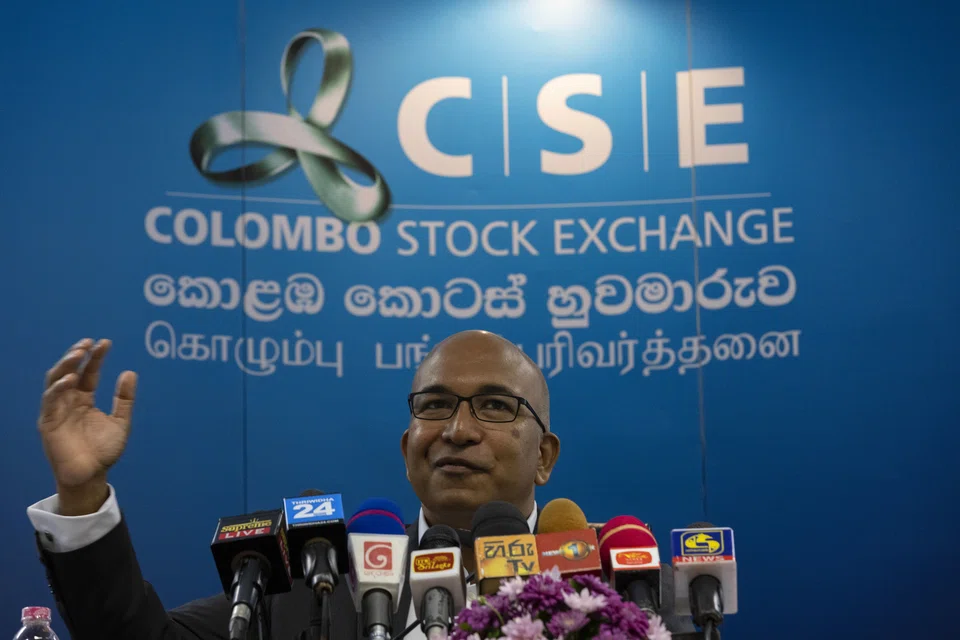
DeeperDive is a beta AI feature. Refer to full articles for the facts.
STOCKS in Sri Lanka plunged, triggering a trading halt for the rest of the day, lasting barely 32 minutes after the market opened for the first time in two weeks.
Sri Lanka’s blue-chip index sank 12.6 per cent, exceeding the 10 per cent drop that resulted in an all-day suspension. Benchmark Colombo All-Share Index fell 6.7 per cent as investors worry about the nation’s economic crisis.
While trading in Sri Lanka was halted for the previous two weeks - the first week due to a holiday and the second by the securities regulator - the central bank hiked policy rates by a record, the government halted payments on foreign debt, while rating companies slashed the nation’s credit rating. Civil protests against the government over soaring food prices and fuel shortages intensified.
“The market is reacting to the 700-basis point interest rate hike that happened after trading had stopped on April 8,” said Dimantha Mathew, who heads research at Colombo-based First Capital Holdings.
The markets regulator late Friday eased rules related to margin calls and forced- selling of securities citing difficulties faced by investors to service credit obtained from stock brokers. This however provided no respite as the sell-off stretched.
“A lot of negatives are coming together,” said Mathew, who expects the selloff in the market could extend to Tuesday before seeing some stability over the next sessions.
Navigate Asia in
a new global order
Get the insights delivered to your inbox.
Prior to Monday’s fall, the Sri Lanka Colombo Stock Exchange All Share Index had erased almost a third of its value this year, after a world-beating rally of 80 per cent in 2021. Sentiment still remains jittery as the government seeks up to US$4 billion this year from international lenders to help ease shortages of food, fuel and medicines as its foreign reserves dry up.
The Securities & Exchange Commission of Sri Lanka on April 16 abruptly ordered the stock exchange to be halted for a week, citing the need to give investors time to digest the country’s economic conditions.
The order came after the exchange had been already been shut for a week for the traditional new year holidays, drawing sharp criticism from the financial industry.
“Closures of this nature can dilute the confidence on the Colombo Stock Exchange, especially from foreign investors who might find this to be unpredictable,” said Naveed Majeed, senior vice president for research at Asia Securities in Colombo.
The prolonged shutdown, the longest since a seven-week halt during the peak of the pandemic in 2020, had left traders high and dry.
At a time when the country is “desperate” for dollars, the closure had sent a negative signal and may lead foreign investors to put off their investments on liquidity concerns, said Suramya Ameresekera, analyst at JB Securities. BLOOMBERG
Share with us your feedback on BT's products and services
TRENDING NOW

StarHub hands Ensign InfoSecurity control back to Temasek in S$115 million deal, books S$200 million gain
Singaporeans can now buy record amount of yen per Singdollar

Air India asks Tata, Singapore Airlines for funds after US$2.4 billion loss

Keppel DC Reit posts 13.2% higher Q1 DPU of S$0.02833 on strong portfolio performance

