Strong earnings a threat to rate cut expectations
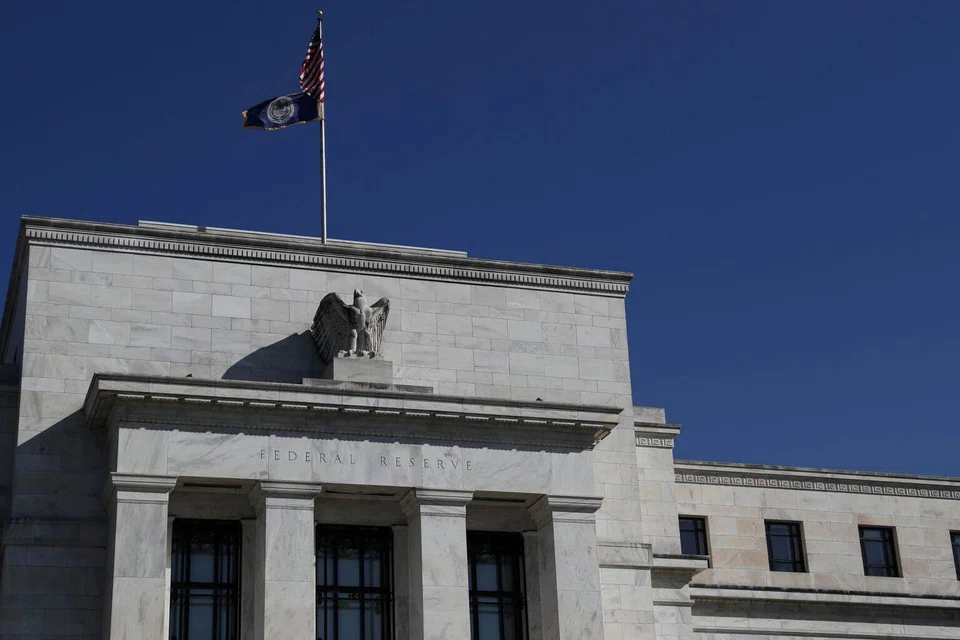
CALL it the reverse silver lining: earnings and economic data are coming in a little too strong for stock-market bulls hoping for drastic action from the US Federal Reserve this week.
Stocks could even sell off after a widely expected Fed cut on Wednesday as spoilt investors wonder: "Is that all?"
US stocks rose last week, with major indexes hitting record highs after strong housing and gross domestic product data and better-than-forecast earnings from Google, McDonald's and others.
Earnings season continues this week with Apple and others, while trade talks resume in China. But it was the Fed that rescued the bull market from near certain death in January and its fate remains in the Fed's hands.
Stocks wobbled midweek after the European Central Bank (ECB) stopped short of cutting rates, even as ECB president Mario Draghi indicated that stimulus was on its way.
The US central bank has all but guaranteed a quarter-percentage point rate cut at its policy meeting on Wednesday. That would usually be enough to keep the rally going.
The Fed has dropped so many hints about what will be on the menu on Wednesday, however, that a plain vanilla rate cut without some kind of cherry on top would be an anticlimax.
"There's a fair amount of Fed cuts already priced in," said Michael Arone, chief investment strategist for the US SPDR unit of State Street Global Advisors. "What stock market investors will be looking for is more what the Fed has to say about future rate moves... any signals there, that's where the volatility in the stock market will come in."
Strategists at brokerage Jefferies said the Standard & Poor's 500, which has seen the strongest opening to a year since 1997, with a 21 per cent gain, is unlikely to move much higher after the Fed meeting.
The upward momentum is strong, however. Not even warnings of slowing Chinese demand from multinational manufacturers Caterpillar and 3M could slow the rally for long.
Investors likely calculated that the resumption of trade negotiations in Shanghai on Monday would forestall those woes. Expectations for Treasury Secretary Steven Mnuchin and US Trade Representative Robert Lighthizer's visit to China are low.
US President Donald Trump recently said he thinks the Chinese delegation will wait until after the 2020 elections to make a deal.
"I don't expect any grand bargain," said Quincy Krosby, chief market strategist at Prudential Financial. "For the market above all else, you don't want to hear there are more tariffs in place, you don't want to hear it's the end of negotiations."
At this stage, according to Ms Krosby, even talks about talks are better than the silent treatment the two sides gave each other for much of the spring. To quote an adage attributed to Winston Churchill, "it's better to jaw-jaw than to war-war". Any outcome that included plans for further talks would be viewed as bullish, she said.
Economic and earnings data were so good last week they were almost bad. Fed officials cite the global economic slowdown for the pivot to rate-cutting mode.
But global tech companies like Alphabet's Google and Facebook trumpeted growth on all fronts last week. This week, Apple and General Electric will address worries about their reliance on the Chinese market.
By and large, earnings reports have shown modest growth, belying the Fed's concerns that trade worries would cause US corporations to retrench. Nor did the surprisingly strong quarterly gross domestic product reading last week sound like the basis for an aggressive cutting cycle. But that's what happened last week as strong consumer spending offset slowing business investment in the second quarter to yield a 2.1 per cent economic growth rate.
Goldman Sachs strategists say financial conditions - the climate in capital-raising markets - are clement enough to support a pick-up to a 2.5 per cent growth rate in the remaining quarters of the year. This Friday's jobs report could reveal whether the US economy is set to accelerate.
Accelerating economic - and earnings - growth does not seem consistent with the scenario foreshadowed in futures markets where the Fed would keep cutting rates all the way through 2020, the Goldman strategists warned.
Dark clouds may be gathering further out on the horizon. Several Wall Street strategists have pointed to signs of "late cycle" behaviour on markets, detecting some of the patterns that set in towards the end of bull markets. Small cap stocks are lagging far behind large caps in the performance for the year to date. Small caps typically pick up on failing economies more quickly as their growth rates are more closely tied to overall growth.
Deal makers are also rushing their creations to market, like toy makers trying to get their products to the store before the season ends.
Despite reports of increased home sales in June, the property market has clearly stalled in some areas of US. Buyers have gone on strike in San Francisco and some of the most expensive areas are consciously allowing prices to level off.
The danger is that the Fed uses up its ammunition now, when there's no slowdown to speak of, and is left with an unloaded stimulus gun when the end of the current cycle - and a recession - arrives.
READ MORE: Fed plan to cut interest rates may imperil the economy