Turkish crisis, US retail earnings to set direction
Observers see short-lived fallout from Turkish distress; Walmart could show economic war impact on Trump base
CAN growth accelerate in the US while economies in the rest of the world slow down?
The fate of the bull market in stocks may hinge on the answer to that very question as US President Donald Trump goes to economic war on several fronts.
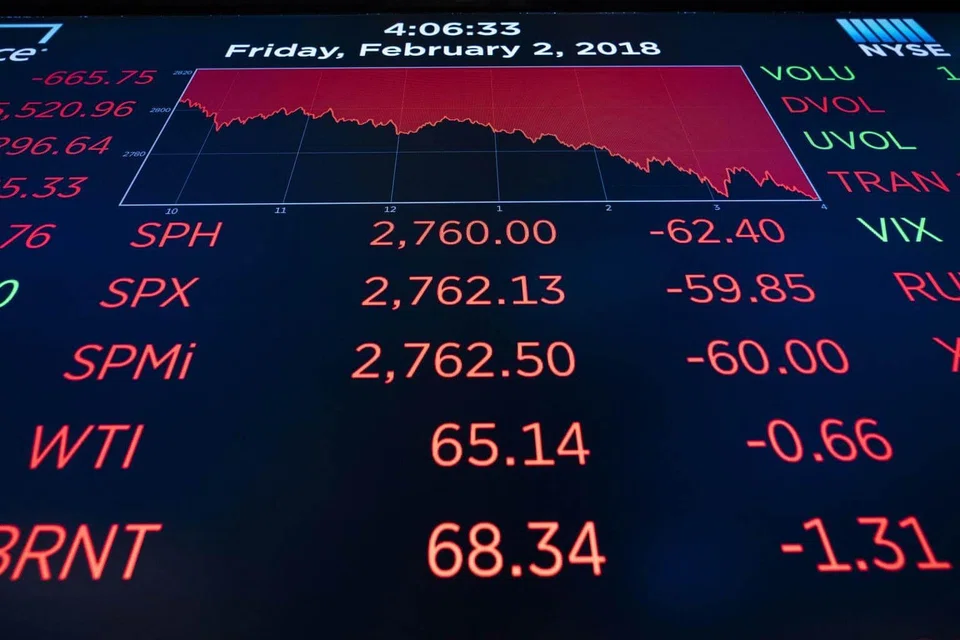
US stocks fell slightly last week as excitement about the strongest quarters for earnings in the last decade gave way to fears about a currency crisis in Turkey.
This week, the US stock market is likely to swing based on the situation in Turkey and the strength in earnings from major retailers such as Walmart.
The value of the Turkish lira fell to the lowest level on record against the US dollar, and the odds of a default on bond payments rose last Friday after Mr Trump said Turkish Premier Recep Erdogan must release an American prisoner or face further tariffs.
Turkish distress hit the shares of European banks, not only because of their Turkish bond holdings and commercial loan businesses in Turkey but because of "contagion" risks.
"Contagion seems quite possible, as we are already seeing knock-on effects in other emerging markets. Argentina and Brazil have been hit, as has Russia (although Russia has other problems as well)," said Brad McMillan, chief investment officer at Commonwealth Financial Network.
He noted that, like Turkey, these markets are facing escalating interest payments on their bonds, partly because of the actions of the Federal Reserve.
"If there is a crisis - one remains unlikely, but the possibility is rising - how would it affect the US? From a systemic point of view, the US financial system is both less exposed and better capitalised than it was in previous crises."
One reason Mr Trump pushed Turkey towards the brink could be his intent to send a signal to Beijing.
Like Turkey, China has seen volatility in its currency and stock markets after a dispute with Mr Trump. Last week, he also attempted to use financial sanctions to mount pressure on Russia.
For Mr Trump, the response from Turkey may be a warning against over-playing his hand in Chinese negotiations.
Mr Erdogan is facing the ultimate economic price for standing up to the US - it doesn't get much worse, economically, than a currency collapse and national default. Yet he seems determined not to fold, and to call Mr Trump's bluff. In Turkey, perhaps, Mr Trump had little to lose.
Most economists and strategists predict that any fallout on global markets will be short-lived. If Mr Trump tried to choke off growth in China's economy with continued tariffs and technology blockades, it's likely that any victory would be a Pyrrhic one.
Not only do many US multinationals count on Chinese growth for hefty portions of their profits and many consumers count on Chinese imports for cheap supplies, but a Chinese economic slowdown would have much greater reverberations in global markets.
The UK's exit from the European Union is another event that could be complicated by the currency markets.
The pound slid in value last week, despite a rate hike designed to stabilise the currency. The culprits were recurrent rumours that the UK will leave the common market without any deal on continued trade or immigration links - a "hard Brexit".
Brokerages warn that the imminence of a mid-term election could cause further volatility as the sleepy summer trade gives way to back-to-desk season.
One critical factor in that election is how middle- and working-class white people in rural areas feel they are doing.
Walmart's earnings this week could reveal whether the "blue-collar" whites that form Mr Trump's base are feeling flush under his leadership.
Ironically, Mr Trump's economic wars could pinch this group most acutely. Farming communities depend on Chinese demand for grains; small factories rely on cheap components and raw materials from China, Turkey and elsewhere.