US dollar falls, bond futures gain as some Trump trades are pared
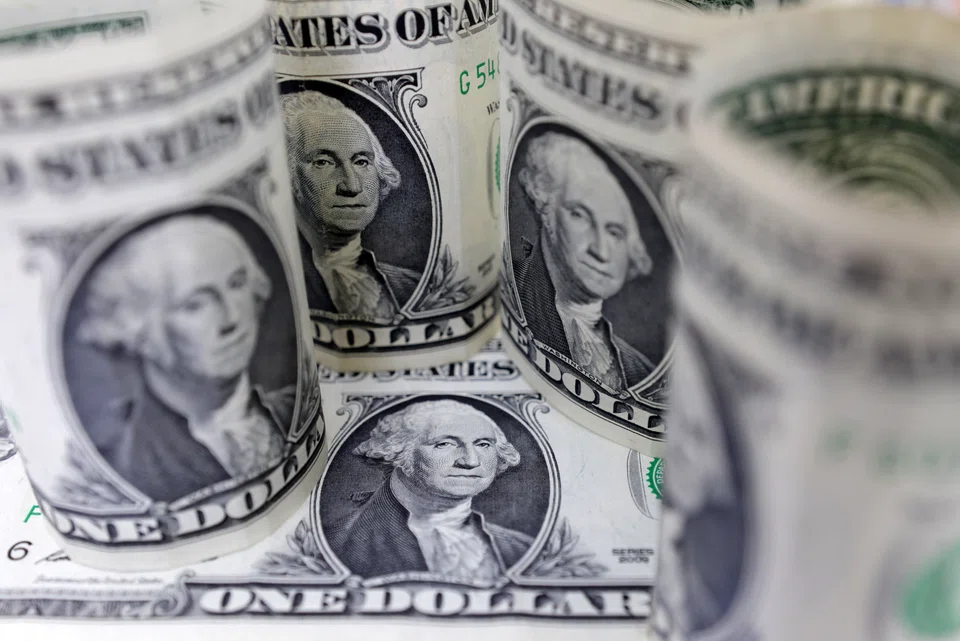
A GAUGE of the US dollar fell the most since late September and Treasury futures rose as polling data ahead of Tuesday’s (Nov 5) US elections prompted some investors to pare the so-called Trump trades.
The Bloomberg Dollar Spot Index fell 0.5 per cent on Monday, while Treasury futures rose with the cash market closed due to a holiday in Japan. The Mexican peso advanced 0.9 per cent to lead gains among emerging market currencies.
Some investors are re-evaluating their bullish US dollar wagers – long favoured as a prime play for Republican candidate Donald Trump’s victory – after weekend polling numbers suggested his Democratic rival Kamala Harris might be edging ahead in some swing states. The overall race is still neck and neck, with no clear winner.
“After going into the weekend pricing in about a 42 per cent probability of a Republican sweep, markets are less certain this morning and have hastily stripped out some of the premium built into the ‘Dollar Trump Trade’,” Tony Sycamore, analyst at IG Markets, wrote in a note.
The US dollar declined against all its Group-of-10 peers. Asian currencies also gained with the yen and offshore yuan rising 0.6 per cent and 0.4 per cent respectively against the US dollar.
“The stage looks set for a binary reaction,” Peter Dragicevich, strategist at Corpay, wrote in a note. A Trump win is “likely to see the US dollar strengthen given his policy platform, with a Harris victory expected to weigh on the US dollar.” BLOOMBERG
Decoding Asia newsletter: your guide to navigating Asia in a new global order. Sign up here to get Decoding Asia newsletter. Delivered to your inbox. Free.
Share with us your feedback on BT's products and services