

US dollar set for fourth weekly gain, supported by Fed tightening expectations, AI-driven haven bid
Expectations of further central bank tightening underpin the currency
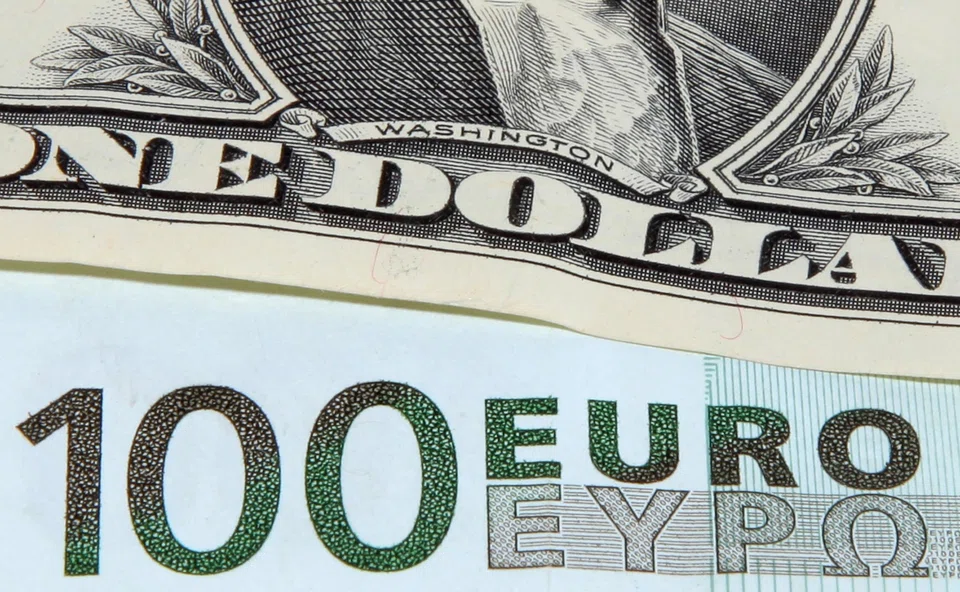
[LONDON] The US dollar was steady on Friday (Nov 20) and was on track to rise for the fourth straight week as expectations of further US Federal Reserve tightening underpinned the currency and jitters over the artificial intelligence trade sent investors fleeing to safe haven assets.
The dollar index was perched near the 103.9 level, around its strongest since early April 2025.
The weeks-long rally accelerated on Nov 10, when hotter-than-expected US inflation data reinforced bets that the central bank would tighten policy and Fed governor Christopher Waller said a 50 basis point hike in December should be considered.
The dollar was also supported by a reduced appetite for risk, with a multitude of AI-related concerns weighing on global stocks. Anthropic’s record market debut on Thursday did little to revive investor confidence.
MSCI’s world index of stocks fell for a seventh straight session on Friday, the longest losing streak since 2023.
Chris Turner, global head of markets at ING, said that while there is only a weak case for another steep correction in equities, “there is no reason for the Fed to drop its hawkish rhetoric anytime soon”.

He pointed to next week’s US personal consumption expenditures report, a key inflation gauge for the Fed, which Turner said will likely confirm that the Fed needs to act.
“For FX, that means a continued strong dollar and continued pressure on popular carry trades,” he said.
In FX carry trades, investors borrow in low-yielding currencies, such as the Japanese yen and Swiss franc, to fund purchases of higher-yielding assets elsewhere, often in emerging markets.
Adding to the hawkish-leaning narrative, Federal Reserve Bank of Philadelphia president Anna Paulson said on Thursday the Fed will need to raise interest rates again because inflation is too high.
Meanwhile, Chicago Fed president Austan Goolsbee said the evidence did not suggest inflation was heading back to 2 per cent on its own.
“The debate now is not really about whether the Federal Reserve will raise rates in December, but how much it will raise rates by,” Carol Kong, currency strategist at Commonwealth Bank of Australia, said.
“We still think 25 basis points is more likely,” Kong added. “If they really want to quicken the pace of tightening, I think they will prefer to increase rates by 25 basis points in consecutive meetings rather than deliver a bigger-than-usual hike.”
Sterling languished near a one-year low against the dollar at US$1.3105, and the euro struggled near its lowest level since April 2025 and last bought US$1.0961.
Yen firms on inflation data
The yen firmed 0.6 per cent against the dollar to 158.78 and is set to close the week with a small gain after three weeks of losses that had dragged the currency to near the key 160 level.
Japan’s annual core inflation accelerated to 2.2 per cent in October, staying above the central bank’s 2 per cent target for a second straight month and pointing to broadening price pressures that strengthen the case for a near-term rate hike by the Bank of Japan.
Analysts at Capital Economics argue the yen’s recent weakness is unlikely to last.
With long-term inflation expectations now around target, further increases in yields would be mostly in real terms, which, combined with their view that US yields will fall, should prove yen-positive, the analysts said.
ING’s Turner also noted that a carry trade unwind should be a slight positive for the yen. REUTERS
Decoding Asia newsletter: your guide to navigating Asia in a new global order. Sign up here to get Decoding Asia newsletter. Delivered to your inbox. Free.
Share with us your feedback on BT's products and services
TRENDING NOW

What shattered Crystal Jade? How the culinary empire shrank from 120 to just 9 outlets
Could Jensen Huang work for Elon Musk? It would be ‘a titanic ego death match’, says biographer

‘We’ll wait and see’: Investors wary after STI sinks below 5,000 amid global AI selldown

South-east Asia has lost Nvidia’s best salesman

