

US retail investors turn bearish and elusive in latest selloff
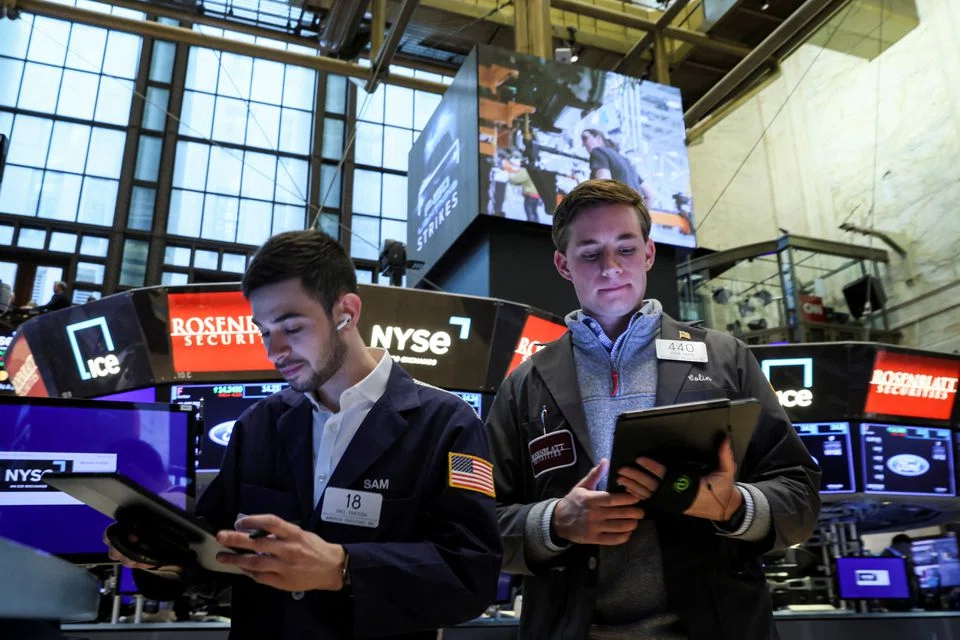
INDIVIDUAL US investors are turning bearish and staying away from buying the dip this week, data showed, a sharp reversal from the frenzied trading during the peak of the pandemic.
Over the last 2 days, retail traders sold US$1.9 billion worth of shares, making it the largest 2-day outflow in 14 months, according to brokerage JPMorgan.
It was not so until last week when they were net buyers of equities, notching the highest level ever recorded on May 5, according to Vanda Research.
"Retail buying impulse showed signs of slowing before this latest burst of selling," JPM strategist Peng Cheng said.
Rising borrowing costs, high inflation and the possibility of slowing growth have intensified market volatility this week.
The benchmark S&P 500 is within 2 per cent of confirming a bear market for the first since the pandemic-led crash in March 2020 as the end of easy money pushes investors out of riskier bets.
Retail investor presence in equity markets too have dwindled compared to early last year when aided by fat stimulus checks and low trading fees, they flocked to online message boards to move markets while staying locked up in their homes.
As of Wednesday (May 11) market close, US retail traders accounted for about 12 per cent of the total volume of shares traded compared to around 20 per cent at the peak in January 2021, JPM said.
The average retail investor has also underperformed the S&P 500, making just about 6 per cent since January 2020 compared to the 24 per cent return of the benchmark index, JP Morgan estimated.
Retail buying is slowing, said Marco Iachini, senior vice-president at Vanda in a client note, but it could be "fatigue rather than outright capitulation" on their part. REUTERS
Decoding Asia newsletter: your guide to navigating Asia in a new global order. Sign up here to get Decoding Asia newsletter. Delivered to your inbox. Free.
Share with us your feedback on BT's products and services
TRENDING NOW

He built the Vingroup empire. Now South-east Asia’s richest man is handing some key roles to his sons
Despite the de-dollarisation debate, demand for dollar liquidity in Asia is growing
Can a first-time homebuyer couple earning S$18,000 a month afford a new EC unit?

Asia needs new energy security architecture

