

US stocks ride trade, Brexit hopes to record high but risks loom
Apple's growth outlook, Fed rate decision are key events to watch for this week
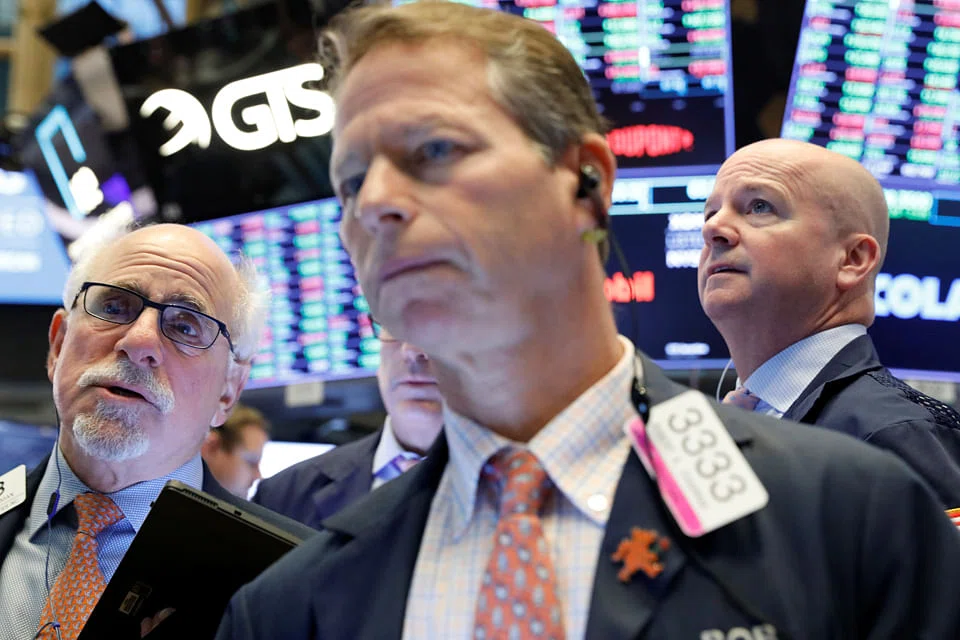
US STOCKS rose to the brink of record highs last week as optimism about Brexit and US-China trade relations overcame a slew of weak earnings and economic data.
But stocks may not weather disappointments from Apple and others due to report earnings this week, particularly if the Federal Reserve reveals that the global economic expansion is beyond salvation. And, as has happened so often during the last 12 months, the current optimism about Brexit and trade talks could turn to pessimism at the stroke of a tweet.
Over the weekend, China said the Phase One deal, in which Beijing would ramp up purchases of agricultural goods in return for American tariff rollbacks, is "basically complete". Stocks such as Caterpillar, which are sensitive to trade negotiations, rose sharply last week despite dire earnings reports. Yet, strategists are already warning that the Phase One deal is little more than a phony peace, unlikely to prevent tensions between the US and China from weighing on global trade.
The prospect of a more meaningful truce may also get more remote because of a proposal in Congress to change Hong Kong's status as a trading partner, said Edward Moya, senior market analyst at foreign-exchange broker OANDA, in a note to clients. Any effort by the US to wade into what China sees as an internal issue could provoke retaliation, Mr Moya said.
In earnings so far, multinational manufacturers have given a consistent account of dwindling demand. Caterpillar, which makes the diggers and cranes that did the heavy lifting in China's decades-long infrastructure boom, cut its revenue projection, citing macroeconomic conditions. Boeing said it would reduce production of its wide-bodied Dreamliner jet to reflect slowing demand in China and elsewhere. Factory-and-warehouse supplier 3M warned that the growth view was dimming.
At the same time, companies such as payment network PayPal Holding, as well as airlines American Airlines and Southwest Airlines posted better-than-expected earnings.
One strategist said the dichotomy between the two groups of companies reflects a divergence between an internationally-oriented industrial sector and a domestically-focused consumer sector.
"3M stands out on the downside," said Joe Kinahan, chief market strategist at TD Ameritrade.
"They have a good view, and what they talked about is what JPMorgan Chase CEO Jamie Dimon talked about businesses nervous to spend money till they have (it)."
Orders for durable goods designed to last for three years or more fell 1.1 per cent in September, contracting for the third time in four months.
The question is how long a manufacturing slowdown can go on without feeding into the consumer economy. Online megastore Amazon and toymaker Hasbro were among the consumer-facing companies posting earnings reports that disappointed investors, with Hasbro saying retailers were holding off on orders because of tariffs.
Looking at housing-market data, an economist could make the argument that consumers are already tightening their belts. But strong earnings for luxury conglomerate Gucci and luxury carmaker Mercedes suggest that wealthy consumers, at least, are still spending.
This week, the ultimate consumer play - and the ultimate China play - Apple will reveal its growth outlook. The big worry for iconic US brands including Apple is that political tensions will lead to a mass boycott from Chinese consumers.
The most critical moment for the stock market will come mid-week, when the Federal Reserve reveals its latest rate decision.
One of the main reasons that investors keep buying stocks despite evidence of a mounting slowdown is central bank action. As an old market adage goes, "don't fight the Fed".
Futures markets suggest investors are overwhelmingly anticipating a rate cut at the October meeting after reports that industrial production, durable-goods orders and manufacturing activity have shrunk in recent months. Those expectations are at odds with statements from Fed officials themselves, however. A handful of Fed officials, including Boston Fed president Eric Rosengren, have warned that rate cuts are the wrong prescription for the current ills, and risk stoking speculation.
"There is little doubt in the market that the Fed will cut, but it is far from impossible that they do not," said John Vail, chief global strategist at money manager Nikko Asset Management. "There has been unprecedented opposition to the last two cuts by the regional Fed boards...Their opposition may even be greater for this cut."
A failure to cut rates would no doubt lead to a stock slide. Even a rate cut might not be enough to lift stocks further, according to one strategist.
"The Fed is priced in, yes, but the mystery is what do they do afterwards," said Mr Kinahan of TD Ameritrade. With expectations so high, he suspects any surprises from the Fed will be negative ones.
Brexit, meanwhile, still hangs in the balance. Prime Minister Boris Johnson scored a major victory when the UK parliament voted to approve the deal he struck with the European Union. It may yet be a hollow victory as his timeline for the deal was rejected by the same parliament.
Optimism could be enough to drive broad indices to record highs this week. Reality checks could prevent them from staying there long, however.






