

CapitaLand India plans 50 billion rupees debt sale to trim FX costs
The shift marks a pivot for the Singapore-listed trust as higher rates and currency swings reshape funding
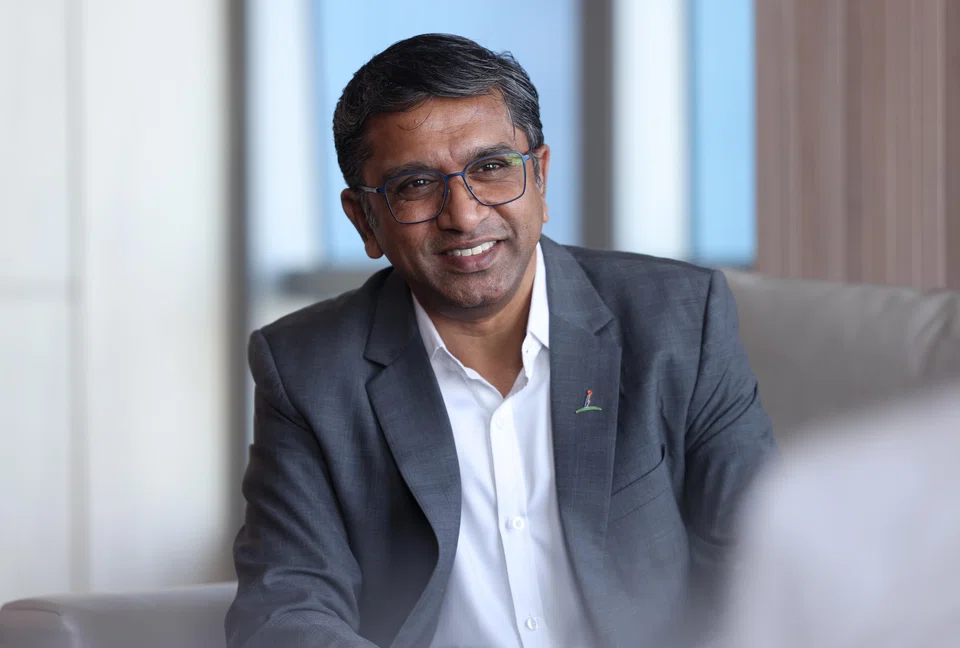
[MUMBAI] CapitaLand India Trust Management plans to raise as much as 50 billion rupees (S$704.1 million) of rupee-denominated debt in India over the next three years, in an effort to improve tax efficiency and lower currency hedging costs, chief executive officer Gauri Shankar Nagabhushanam said.
The move marks a strategic pivot for the Singapore-listed trust as higher global interest rates and currency volatility prompt real estate firms to rethink their funding structures. Increasing local borrowings would allow the trust to avoid a 15 per cent withholding tax on Singapore-based debt and trim hedging costs.
Following the planned issuance, local currency borrowings are expected to account for as much as 50 per cent of the trust’s loan book, up from about 16 per cent currently, the CEO said in a media briefing on Tuesday (Feb 3). The company currently has S$300 million debt in India.
CapitaLand India manages S$3.8 billion of assets across IT business parks, industrial and logistics facilities, and data centres in India, according to latest filings.
“We will continue to onshore more debt and optimise our capital structure,” Nagabhushanam said.
The trust completed its first divestment in 2025, selling a 20 per cent stake in three data centres that valued the assets at about 52 billion rupees.


CapitaLand India Trust now reviews potential non-core asset sales regularly and would seek to generate around S$100 million in capital inflows, provided proceeds can be redeployed into higher-return assets or used to support distributions, Nagabhushanam added. BLOOMBERG
Decoding Asia newsletter: your guide to navigating Asia in a new global order. Sign up here to get Decoding Asia newsletter. Delivered to your inbox. Free.
Share with us your feedback on BT's products and services
TRENDING NOW

Once staunchly pro-China, Malaysian Chinese businesses are now distancing themselves from Beijing

Looking beyond looming CEO succession, should UOB potentially pursue a transformative merger?

Could stablecoins be the future of money?

Grab CEO’s wife Chloe Tong on life with Anthony Tan and finding her purpose

