CDL Hospitality Trusts flags negative impact from Middle East conflict
The effect has not been material to date, its managers say

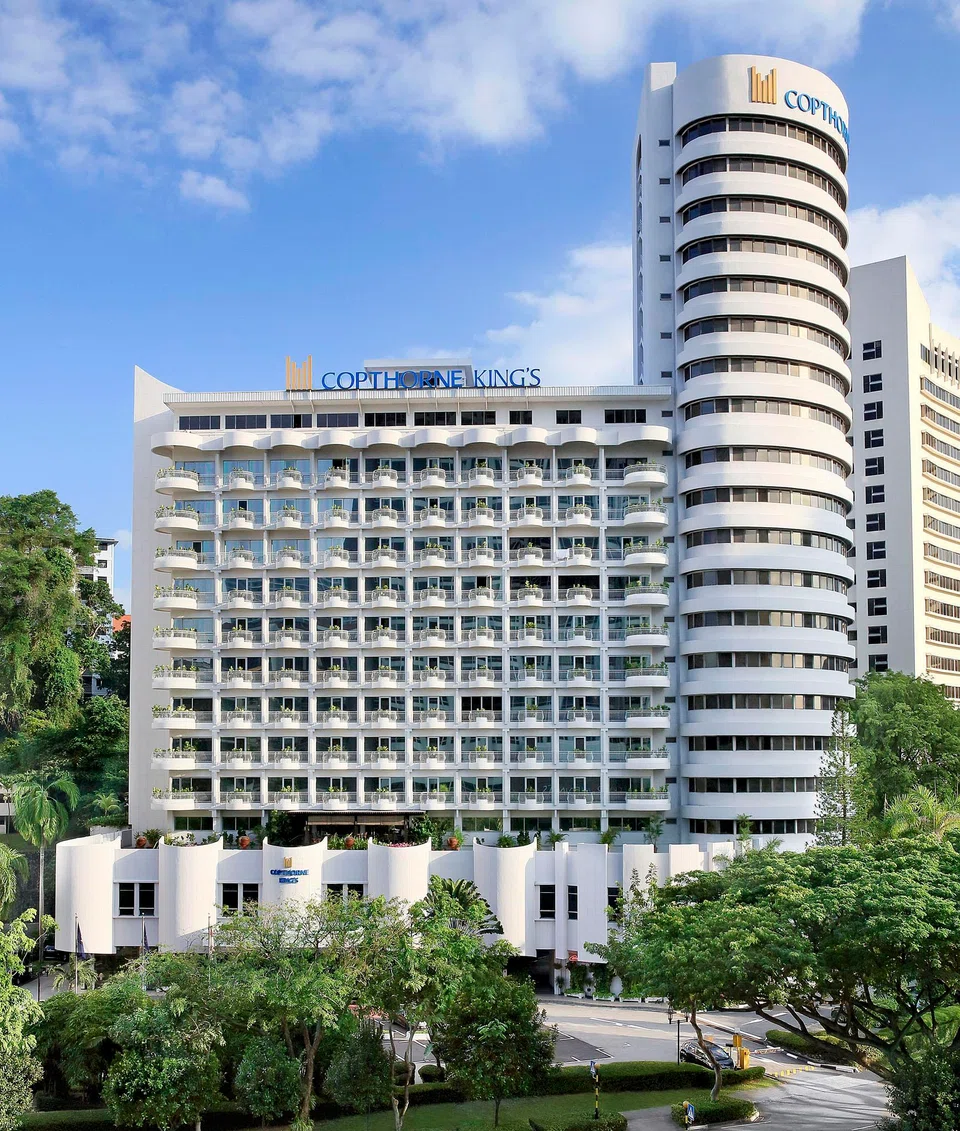
[SINGAPORE] CDL Hospitality Trusts (CDLHT) disclosed on Friday (Apr 17) that the ongoing conflict in the Middle East has “resulted in a negative impact on the portfolio’s overall performance”, although the management maintained that the impact has not been material to date.
In a series of responses to questions from security holders released ahead of its Apr 24 annual general meeting, the managers noted that the group had “modest cancellations, while the pace of new bookings has shown some moderation”.
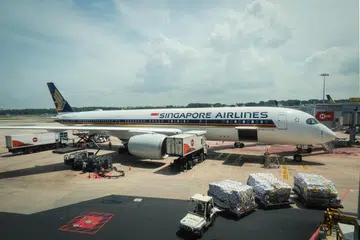
Across its portfolio, the Maldives has experienced the most pronounced effect, due to its reliance on Middle Eastern carriers and long-haul connectivity.
A softer forward booking pace and isolated cancellations have also been observed in Auckland and parts of the UK. Markets such as Tokyo, Perth and Munich, however, have remained relatively steady.
Singapore, which is CDLHT’s key market, has also remained relatively resilient thus far, the managers said.
“Trading in March was broadly stable, supported by underlying demand and the city’s events calendar. While there have been some cancellations and more cautious sentiment in certain segments, resulting in a slight adverse impact, no material disruption to booking trends has been observed to date,” they said.
While the managers described the current impact as “manageable”, they warned that a prolonged conflict could indirectly dampen demand further through higher energy prices, increased airfares, travel security, reduced air connectivity and broader inflationary pressures.
“This could lead consumers to be more cautious in discretionary travel spending, and may also prompt corporates to defer or scale back non-essential travel. A key determinant is how long energy prices remain elevated,” they said.
Structural headwinds behind DPS decline
Addressing questions regarding the decline in distribution per stapled security (DPS), which fell 9.8 per cent year on year (yoy) to S$0.048 for the financial year ended Dec 31, 2025, the managers pointed to several structural and cyclical factors.

“While operating performance has improved significantly from pandemic lows, DPS has been impacted by a combination of higher financing costs, evolving portfolio composition, uneven recovery in some markets, and a normalisation in operating conditions following the initial recovery phase,” the managers said.
On the material increase in financing costs, the managers said that the weighted average cost of debt increased from 2.2 per cent at the end of 2019 to a peak of 4.4 per cent in September 2024.
Although this rate moderated to 3 per cent by the end of 2025, the higher-interest environment in preceding periods weighed on distributable income, they said.
Furthermore, operating performance has seen a normalisation following the initial post-pandemic surge.
“DPS declined by 6.7 per cent yoy to S$0.0532 in FY2024, mainly due to demand normalisation in certain markets following the initial post-pandemic surge, alongside higher interest costs,” the managers said.
In FY2025, in line with the fall in DPS, net property income (NPI) declined 4.1 per cent yoy. The managers attributed this to a moderation in revenue per available room across the portfolio, higher operating costs including labour and utilities, and temporary disruptions from renovation works at W Singapore – Sentosa Cove and Grand Millennium Auckland.
These two properties had a combined NPI shortfall of about S$5.9 million. Excluding these disruptions, the managers noted that NPI would have been marginally higher by 0.3 per cent yoy.
Units of the stapled security ended flat at S$0.835 on Friday.
Decoding Asia newsletter: your guide to navigating Asia in a new global order. Sign up here to get Decoding Asia newsletter. Delivered to your inbox. Free.
Copyright SPH Media. All rights reserved.