

China Aviation Oil confirms Sinopec merger with parent CNAF
State administrators have given the nod for the merger following deliberation, says CAO

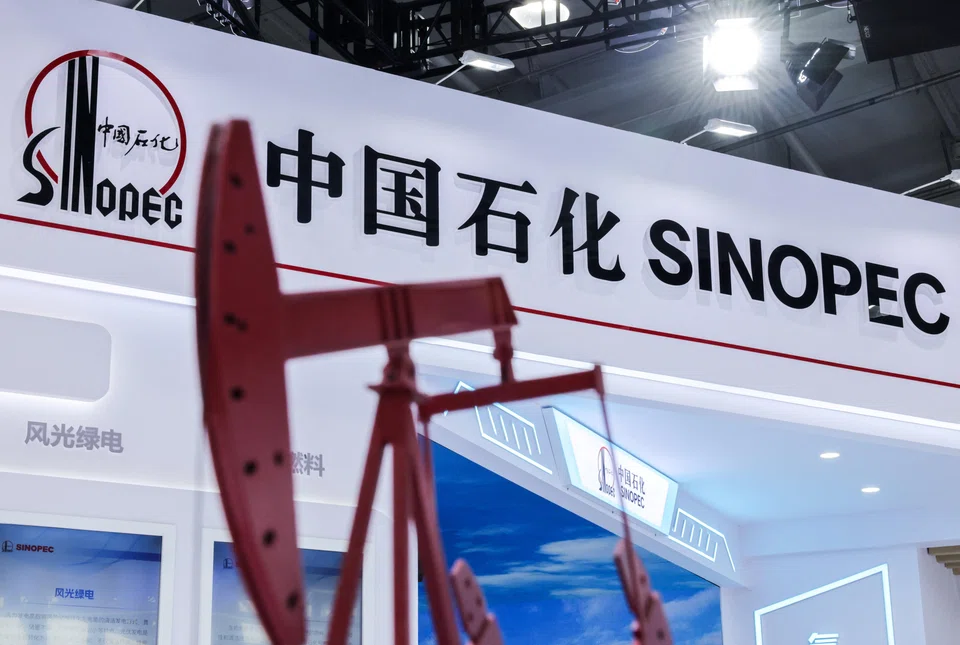
[SINGAPORE] The parent company of China Aviation Oil (CAO) will merge with Chinese state-owned oil and gas enterprise Sinopec, the board of CAO said in a bourse filing on Thursday (Jan 8).
Word of the merger initiated by Beijing first emerged in November 2025, involving CAO’s parent China National Aviation Fuel (CNAF) and Sinopec – also known as China Petrochemical.
CAO said that following deliberation by the State-owned Assets Supervision and Administration Council, an institution under the State Council of China, the two companies would proceed with the “corporate restructuring”.
It added that the restructuring remains subject to further approvals and filing procedures in accordance with applicable regulations.
Sinopec is China’s biggest oil and petrochemical products supplier. The company is also the largest refining company and the second-largest chemical company in the world.
The Fortune 500 firm’s Singapore interests include petrochemical trading, marine bunkering operations and the sale of refined and chemical products. It also operates petrol stations in Yishun and Bukit Timah.
Sinopec is expected to absorb all of CNAF’s assets and operations if the merger goes through, Bloomberg reported, quoting a source.
CNAF owns 51 per cent of CAO, and, on occasion, balances domestic supplies by importing or exporting cargoes via trading arms such as the company.
The core business of CAO is in jet fuel supply and trading. It is the largest physical jet fuel buyer in the Asia-Pacific and the key importer of such fuel into China.
China is one of the world’s biggest civil aviation markets. Demand for air travel has rebounded sharply since the end of the pandemic, with flights returning to the skies.
The country is expected to consume more than 40 million tonnes of jet fuel this year, or close to a million barrels a day – valued at about US$30 billion at prevailing prices.
Following the news of the merger last November, shares of CAO whipsawed as the counter surged by as much as 4.5 per cent, and then closed 1.3 per cent lower.
Shares of CAO closed flat at S$1.65 on Thursday, before the announcement.
Decoding Asia newsletter: your guide to navigating Asia in a new global order. Sign up here to get Decoding Asia newsletter. Delivered to your inbox. Free.
Copyright SPH Media. All rights reserved.
TRENDING NOW

Once staunchly pro-China, Malaysian Chinese businesses are now distancing themselves from Beijing

Britain’s mansion tax shows the difficulty of targeting wealth

Three hats, one goal: How Ng Kian Swan runs sustainability at NUHS

COE review: The gap between luxury and mass-market cars isn’t the only one worth bridging

