China examines foreign ETF trades after Jane Street India probe
Foreign market makers can also trade China ETFs through so-called Stock Connect links between Hong Kong and the mainland
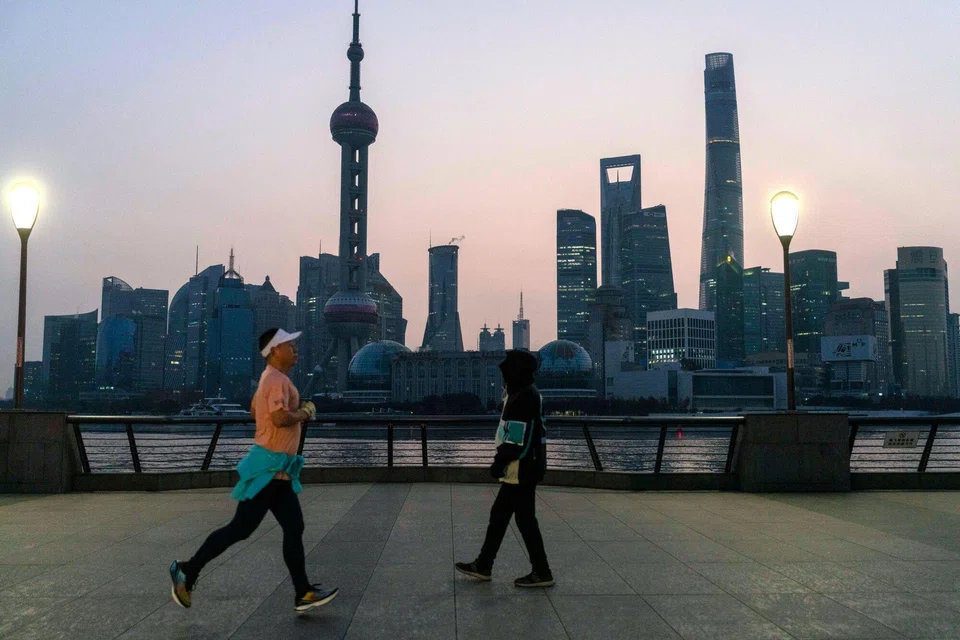
CHINA is scrutinising how Jane Street Group and other foreign firms participate in its US$859 billion exchange-traded fund (ETF) market, seeking information on such activities carried out by brokers, according to sources with knowledge of the matter.
Chinese regulators are keen to understand trading patterns in the fast-growing industry, especially after a crackdown on Jane Street in India, said the sources, asking not to be identified discussing a private matter. Indian regulators last year accused Jane Street of misleading retail investors through alleged index manipulation – claims the New York-based firm has denied.
Jane Street was the biggest foreign ETF market maker through the country’s qualified foreign investor programme as at Jun 30, followed by the Amsterdam-based Optiver and US firms Susquehanna International Group and Hudson River Trading, according to Bloomberg Intelligence. Jane Street accounts for less than 2 per cent of overall ETF trading in mainland China, according to a source briefed on the matter.
China’s queries led UBS Group to pause some trades from Jane Street via the QFI programme late last year, the sources said. UBS accounted for a relatively small portion of Jane Street’s China ETF transactions before the pause, according to one source. Barclays, another top broker for foreign ETF market makers, declined to comment when asked about its trading relationship with Jane Street in China.
Jane Street said in an emailed statement that the firm “is conducting business as usual with its counterparties globally, including UBS, across asset classes”. Representatives for Susquehanna, Hudson River and UBS declined to comment. Representatives for the China Securities Regulatory Commission and Optiver did not respond to requests for comment.
UBS’s move was a precautionary measure that did not impact Jane Street’s other strategies for China, the sources said. No firm is accused of any wrongdoing. There’s no indication that trading relationships among Jane Street’s peers have been impacted by Beijing’s queries.
The increased scrutiny of foreign market makers underscores China’s sensitivity to the performance of its stock market, which is dominated by retail investors and is prone to swings. Beijing has long used a mix of regulations, pressure behind closed doors and occasional buying by state-owned investment funds to dampen volatility.
Some of the world’s largest firms have flocked to China’s market in recent years as ETFs become popular with investors. Yet few official numbers exist to show how active they are in real time. The Bloomberg Intelligence calculations are based on financial reports filed by the ETFs, which are required to disclose their top 10 holders on a semi-annual basis. The rankings do not capture all volumes of foreign market makers.
It’s not unusual for brokers to temporarily pause trading with individual clients, as flows shift from one broker to another and firms constantly weigh up risk limits and regulatory feedback.


UBS has for years relied on China as an anchor of its business in Asia, earning private banking revenue from the country’s mega-rich and working on bonds and equity deals for big companies. It was one of the first foreign banks to get approval to set up a securities joint venture in China, and the first to win a Qualified Foreign Institutional Investor license. Barclays does not own a securities firm in the country.
Foreign market makers can also trade China ETFs through so-called Stock Connect links between Hong Kong and the mainland. Their holdings through these channels are not publicly disclosed.
India case
Jane Street is fighting market manipulation allegations in India, which led to a temporary trading suspension last year. In July, India’s securities regulator accused Jane Street of using its “immense” financial and technological prowess to influence price action in the futures and cash markets in favour of its index option positions. Jane Street has denied those allegations.
The trading firm is now awaiting the next step in its India case. The Securities and Exchange Board of India (Sebi) lifted the temporary trading ban on the company after it complied with an order to put US$570 million in escrow. The firm filed an appeal, which will be heard on Jan 19.
Jane Street profited from price swings in India’s vibrant options market and the much smaller cash equities market. The firm has argued its trading included arbitraging price differences between the two, and market-making in response to huge demand from retail investors.
It had already scaled back its India trading in the first half of last year and ceased all activity following the July enforcement, even after the temporary ban was lifted. Jane Street made about US$4.3 billion from trading in India between January 2023 and March 2025, according to Sebi’s interim order.
After cutting its exposure to India, Jane Street has ramped up trading in other markets, including US Treasuries, interest rates and ETFs in Asia, according to sources familiar with the firm’s operations. It’s unclear how much trading revenue Jane Street has generated from China. BLOOMBERG
Decoding Asia newsletter: your guide to navigating Asia in a new global order. Sign up here to get Decoding Asia newsletter. Delivered to your inbox. Free.
Share with us your feedback on BT's products and services