China investigates Trip.com over alleged antitrust conduct
Regulator accuses the company of abusing its market position and engaging in monopolistic practices
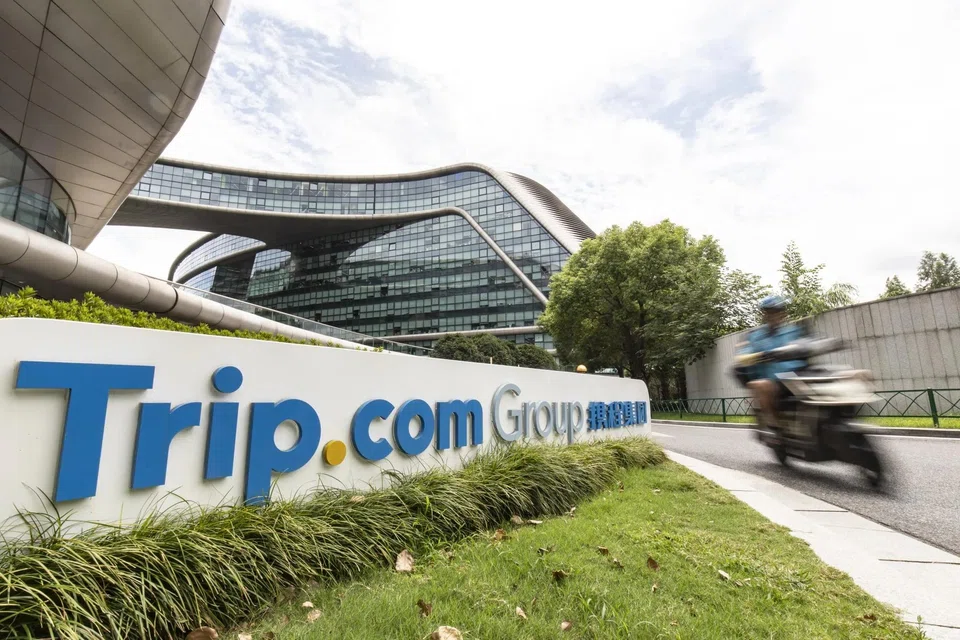
[BEIJING] China is investigating Trip.com Group over alleged antitrust conduct, taking aim at the country’s dominant online travel platform weeks before millions are expected to criss-cross the world during the Spring Festival holidays.
The State Administration for Market Regulation (SAMR) accused the company of abusing its market position and engaging in monopolistic practices. The powerful agency, which in years past targeted online sector leaders including Alibaba Group Holding, did not offer specifics in a one-line statement on its website. Trip.com said in a statement it will cooperate with the investigation.
The market watchdog is known for reining in China’s technology sector, starting with a probe into alleged abuses at Alibaba that resulted in a record fine. It was one of several agencies that from 2020 wiped out hundreds of billions of US dollars in market value from an industry that Beijing felt had amassed too much data and clout.
Trip.com’s Hong Kong shares dived 6.5 per cent. Founded in 1999, Trip.com bills itself as a one-stop platform with a portfolio of brands including Ctrip, Qunar, Trip.com and Skyscanner. It has few rivals of comparable size, though units of Alibaba, Meituan and ByteDance offer competing services such as flights and hotels.
Scrutiny of the sector has been growing for months. In August, Guizhou’s market regulator summoned five online tourism platforms including Ctrip, Tongcheng, Douyin, Meituan and Fliggy to a meeting to discuss potential antitrust concerns.
In September, the market regulator in Zhengzhou summoned Trip.com for violations of rules against setting “unfair restrictions” on merchants’ transactions and prices. And last month, the Yunnan Provincial Tourism Homestay Industry Association posted a statement on its official WeChat account, complaining that Ctrip abused its dominant market position.




The SAMR’s probe was announced just ahead of typically the busiest period for Chinese travel, the days-long Chinese New Year break. Millions are expected to take advantage of visa relaxations to head abroad, though the majority of Chinese prefer domestic trips. The country’s travellers are expected to make about 165 million to 175 million cross-border trips this year, surpassing pre-pandemic levels, according to consultancy China Trading Desk.
Trip.com accounted for nearly half of mainland outbound travel market in 2024, according to consultancy Dragon Trail International. Fliggy lags behind with about 30 per cent market share that year.
Its dominance in the country’s travel market was further strengthened with the acquisition of rival Qunar in 2015. Between 2014 and 2015, the company also made a US$200 million investment in competitor Tongcheng Travel, as well as a strategic investment in Elong Travel, according to Trip.com. BLOOMBERG
Decoding Asia newsletter: your guide to navigating Asia in a new global order. Sign up here to get Decoding Asia newsletter. Delivered to your inbox. Free.
Share with us your feedback on BT's products and services