

China private banks won't kill the offshore wealth business just yet
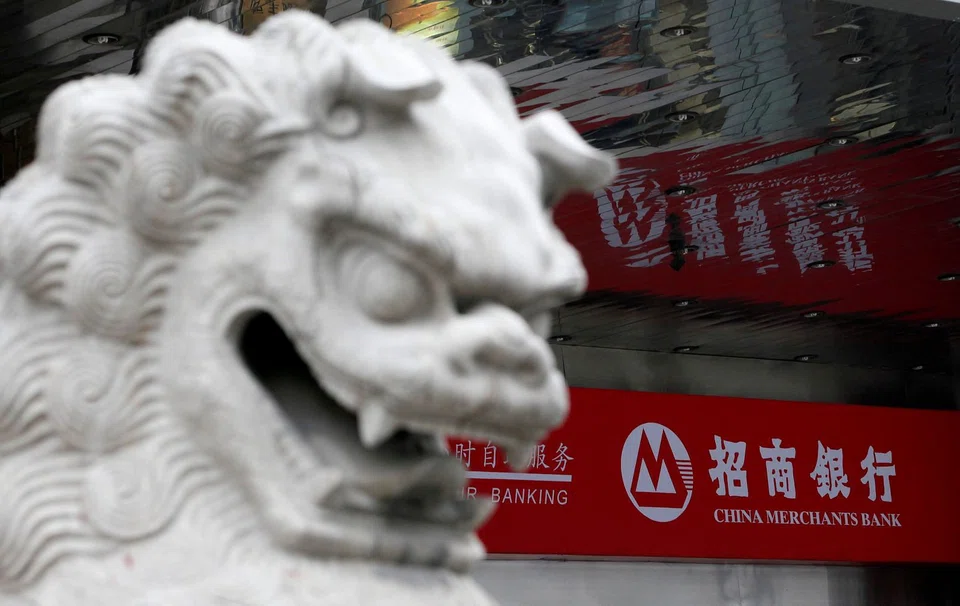
CHINA Merchants Bank has declared its ambition to be Asia's largest private bank, with the bank in April expanding its offshore wealth-management presence in Singapore.
But behind that battle cry are growing pains that Chinese private banks entering offshore markets would have to go through, which should keep the rest of the competition largely unscathed, for now.
While China Merchants Bank has a burgeoning asset base - with the bank already managing about US$230 billion onshore in China - it appears to be trailing its foreign peers in standards, if expenditures to raise standards are anything to go by. Its cost-to-income ratio, according to an interview with Asian Private Banker, stood at about 25 per cent in 2016. For the international counterparts, the ratio is easily three times that.
This means much work ahead for Chinese private banks going offshore. Two intertwined areas they need to look into are: first in investment expertise from experienced/expensive bankers, who are in short supply; and second, in compliance.
China's private-banking players will also have to show that it can play ball when it comes to anti-money laundering and tax regulation - big, looming concerns for private banks.
Whether China banks are sensitive enough to such rising industry demands, given the low investment relative to the asset chase, remains a question. Amid uncertainty, foreign banks should stand ground on higher regulatory standards. Compliance is a hefty cost, but one that mostly pays off in the long run when things go amok - as they can when markets today move to a single tweet.
There are also some trends that favour non-Chinese private banks working in offshore markets. China's emerging-affluent clients are most eager among their Asian peers to start a business. A study by Standard Chartered Bank in April showed 12 per cent of Chinese polled by the bank were saving to fund a business - double the global average of 6 per cent. (Singapore's entrepreneurial spirit, by this measure, lags at 3 per cent.)
As a general practice, private banks operating in Asia also act in some form as commercial lenders, to ride on the entrepreneurial verge of Asian clients. International private banks can boast of stronger expertise in structuring more complex investments to complement their clients' corporate expansion.
In particular, as some global and regional private banks have also built a better understanding of South-east Asia today, they may also be able to open more doors through Asean business networks, as China businessmen require localised understanding of each Asean market.
Besides targeting the Chinese client segment, private banks already settled in Asia are also in a better position to tap the Asean market. Although Capgemini's 2015 data showed that the Chinese market with more than US$5 trillion in wealth from high net worth individuals (HNWI) is one to target, Asean's swelling middle-class in the developing markets, worth roughly US$2 trillion in HNWI wealth, is not to be sniffed at.
Offshore private banks in Asia must also not waver in serving a diversified pool of clients, having established a foothold in this region. For there remains investment needs even in developed markets in Asia. For example, the same survey showed that emerging-affluent Singaporeans put 53 per cent of the savings into saving accounts, earning paltry interest, in order to hit their top savings priority. This is much higher than the 28 per cent of Chinese who do so, and that of the global average of 43 per cent.
So there is clear room to grow investments of the emerging affluent, even in developed markets in Asia. With the silver tsunami that will put pressure on pension funds and retirement needs of the emerging affluent in developed Asia, private banks that serve a more diverse base of clients can still profit from urgent and untapped demands from the region. This is where offshore Chinese private banks will also lose out as they are fixated for now on Chinese flows alone, which pose a concentration risk.
Still, the incumbents must take note that offshore Chinese private banks will mature and make their presence felt, in time. Private banks with operations in Asia will have to move quicker to entrench their position before time runs out on them.
TRENDING NOW

Grab CEO’s wife Chloe Tong on life with Anthony Tan and finding her purpose

What role can Japan play in Asean’s future?

He built the Vingroup empire. Now South-east Asia’s richest man is handing some key roles to his sons

Asean’s challenge is to become resilient against global geopolitics: former Indonesia trade minister

