China Renaissance crashes as trading resumes after Bao Fan exit
 Add BT as a preferred source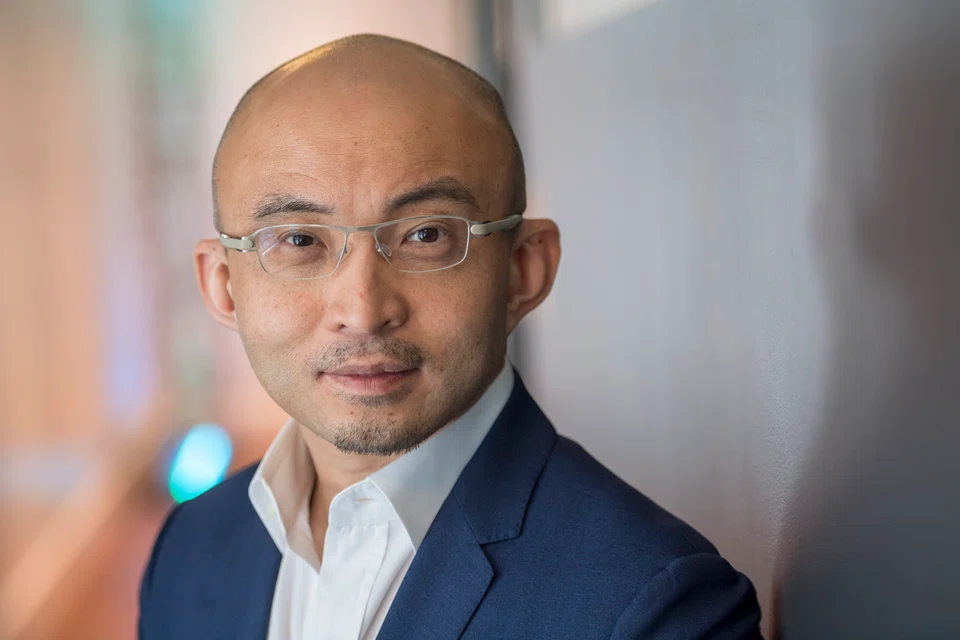
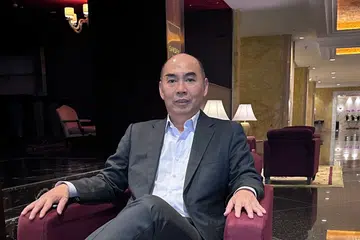
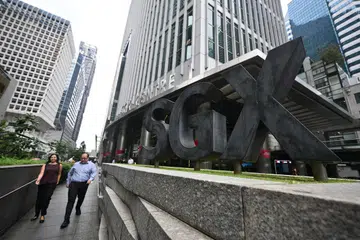
CHINA Renaissance Holdings’s shares fell as much as 73 per cent after resuming trading in Hong Kong on Monday (Sep 9), 17 months after the stock was suspended following the detention of its former chairman Bao Fan.
The company said it has fulfilled requirements for the trading resumption, releasing its earnings for the first half and for last year and 2022. The company replaced Bao in February, a year after he vanished from the public eye due to an investigation by Chinese authorities. Shares of China Renaissance were down 63 per cent as at 11.00 am, wiping out about HK$2.6 billion (S$434 million) of its market value.
Bao was placed under detention under an unspecified investigation amid a broader graft crackdown on the financial sector. His absence has dented China Renaissance’s business growth, curtailing revenue and prompting a slew of staff departures.
The company recorded nearly 74 million yuan (S$13.6 million) in losses in the six months to June as revenue dropped 39 per cent to 329 million yuan. It incurred a loss of 471.9 million yuan in all of 2023, the second year in a row that the firm was in the red.
Its number of employees had dropped 31 per cent from end-2022 to 521 as at the end of June.
China Renaissance requested AOGB CPA to assist its auditing committee to examine its internal records, including agreements and payments. The assessment found no evidence of Bao self-approving expenses but discovered that a senior staff was employed two and a half years after a loan deal which some media had speculated could be related to the investigation on Bao, the company said in a filing.
Bao’s experience underscores the risks for business in China, where regulatory crackdowns and probes have become more frequent under President Xi Jinping. More than a hundred financial executives and officials have been ensnared in an anti-corruption push in 2023 alone with the sector also forced to slash pay to comply with Xi’s push for “common prosperity”.
Four of the company’s executive directors have pledged not to sell their combined 2.2 per cent stake for six months or until Mar 7 next year. The wife of Bao Fan, 54-year-old Hui Yin Ching, was appointed as a non-executive director and holds 48.71 per cent of China Renaissance’s issued shares.
Bao has sprawling connections and is privy to information related to the country’s biggest entrepreneurs. His company has advised tech giants including Alibaba Group Holding and Tencent Holdings.

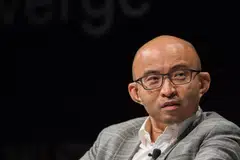
Despite Beijing’s reassuring comments on private businesses to support a post-Covid recovery, Bao’s experience and tightened regulatory scrutiny have unnerved China’s business elite.
A former banker at Morgan Stanley and Credit Suisse Group, Bao founded China Renaissance in 2005, making a name for the firm by brokering tough mergers that led to the formation of ride-hailing service Didi Global and food-delivery giant Meituan.
China Renaissance received interest from a Hong Kong-based financial group with a Middle East backer to take over what remains, including its trading licenses, sources familiar with the matter said in February. A couple of small Chinese brokerages also showed interest. BLOOMBERG
Decoding Asia newsletter: your guide to navigating Asia in a new global order. Sign up here to get Decoding Asia newsletter. Delivered to your inbox. Free.
Share with us your feedback on BT's products and services