
China reopening party over as emerging markets slip back to void
 Add BT as a preferred source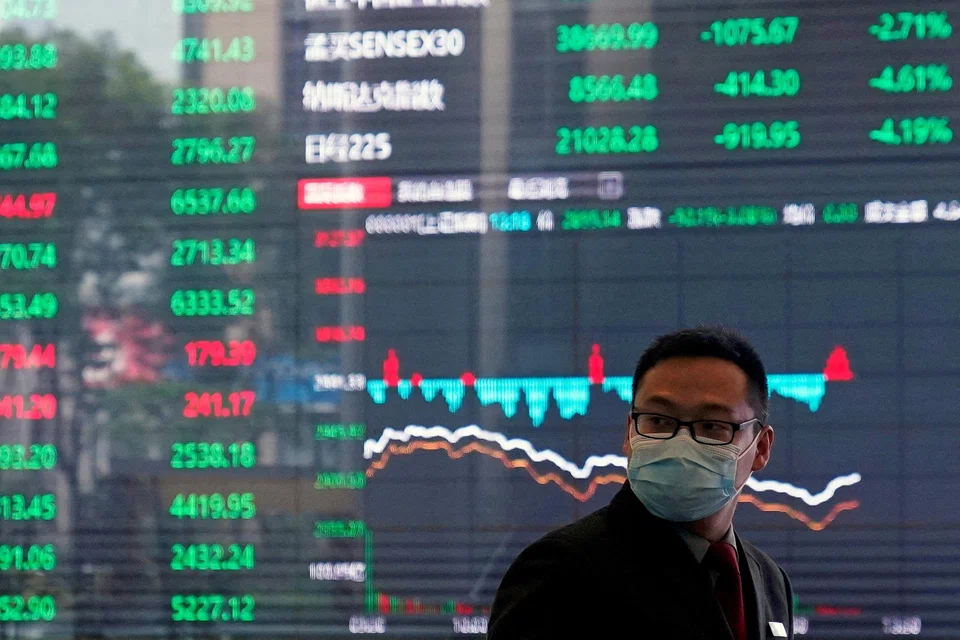
EMERGING-MARKET bulls betting that China’s reopening would drive a year of asset outperformances are seeing their dreams turn into dust.
The benchmark gauge for developing-nation stocks has not only totted up losses of more than 7 per cent since a peak in January but is also underperforming its rich-nation counterpart by the most in three years. Chinese shares have contributed 70 per cent of those losses, helping to erase US$750 billion in market value. And the selloff is spreading to nations with the closest trade ties to China, such as South Korea and South Africa.
The losses have come despite the second-biggest economy expanding at a faster-than-forecast clip, led by surging exports and consumer demand. That underscores a plethora of idiosyncratic risks, not the least of which are China’s increasingly assertive stance on Taiwan, its relationship with Russia and the regulation of the private sector.
Investors remain underexposed to China as they seek more consistent policy signals that can sustain the economic recovery.
“Even though data is still supportive of China recovery, we of course are still a bit more sceptical and look through to see if that recovery is that real,” Wilfred Wee, a money manager at Ninety One Singapore, said on Bloomberg Television. “It’s not just about a sweetener or a reserve-requirement-ratio cut, it’s about coaxing and engaging companies to excite the private sector.”
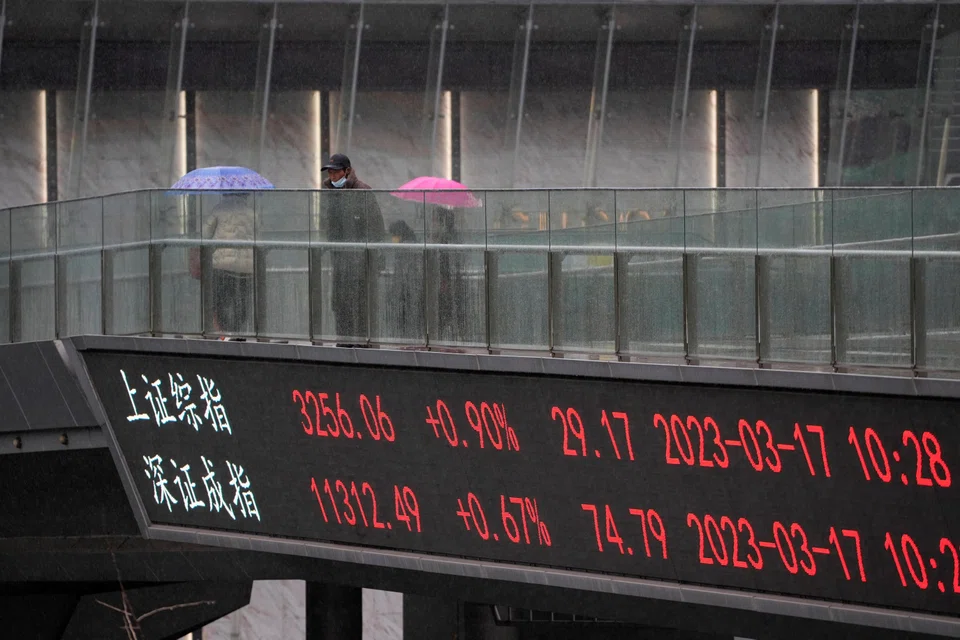
The MSCI Emerging Markets Index is heading for a 1.5 per cent decline in April, trimming its 2023 advance to 2 per cent. The MSCI World Index of developed-market equities is sitting on gains of four times as much. That has sent the ratio between emerging markets and rich nations down 5.6 per cent this year, the biggest retreat since at least 2020.
Navigate Asia in
a new global order
Get the insights delivered to your inbox.
China’s economic fortunes weigh on almost two-thirds of the benchmark index’s performance as in addition to its own 30 per cent direct weighting, it impacts the outlook of eight of the 10 other nations with the biggest presence on the gauge. It’s this influence that drove a 25 per cent rally in the MSCI measure between October and January when China rolled back its crippling Zero Covid policy and set the stage for an economic reopening.
Since then, China’s economic data have indeed shown improvement. First-quarter gross domestic product rose by 4.5 per cent from a year before, beating estimates of 4 per cent, while retail sales in March witnessed the fastest acceleration since June 2021. But peering beneath the hood, investors question whether this strong growth figures will continue into the second half. BLOOMBERG
Decoding Asia newsletter: your guide to navigating Asia in a new global order. Sign up here to get Decoding Asia newsletter. Delivered to your inbox. Free.
Share with us your feedback on BT's products and services

