China: Stocks slump as deflation fears worsen growth outlook
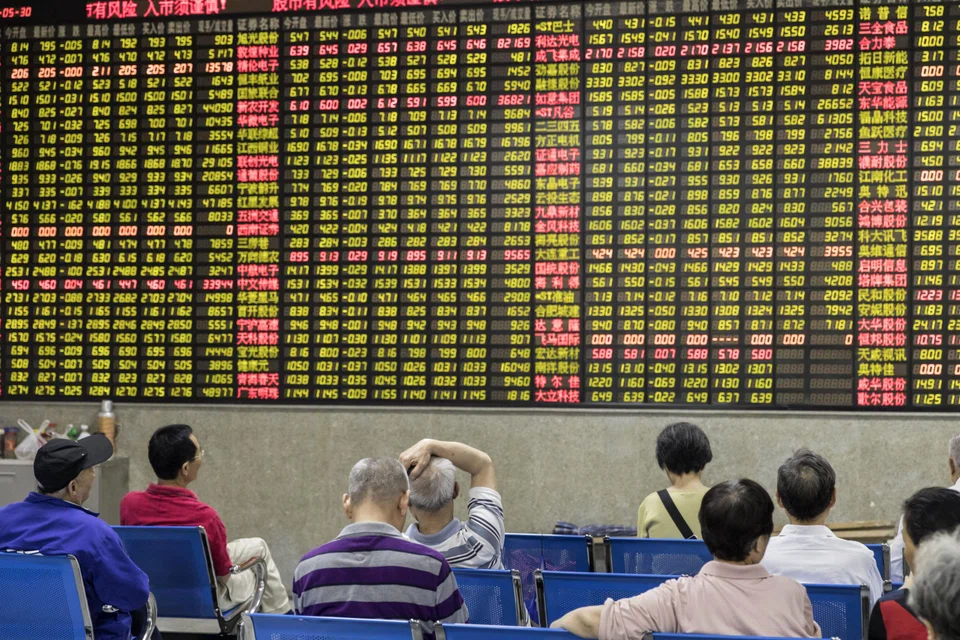
CHINESE stocks slumped as a drop in inflation and a lack of strong stimulus signal from a key economic meeting deepened concerns over the market’s outlook.
The CSI 300 Index fell as much as 1.6 per cent, after capping a fourth straight week of losses last Friday (Dec 8). Overseas investors were sellers in the morning session, with consumer staples leading the decline on the benchmark of onshore Chinese shares. Consumer prices dropped at the steepest pace in three years, data showed on Saturday.
The market declines come on the heels of the Politburo meeting, where policymakers pledged to strengthen fiscal support but dropped the wording “forceful” when mentioning monetary policy. Some investors interpreted that as signalling less powerful stimulus ahead. Stocks are continuing to slide in December after sitting out the global equities rally last month.
“Tone for the monetary policy and fiscal policy is more conservative than before,” said Willer Chen, senior analyst at Forsyth Barr Asia. “This means that the level of loosening from monetary policy in 2024 may not be as big as 2023.”
While Chinese stocks have typically posted positive year-end performances in the past, traders are losing hope this time around as the economy remains in the doldrums. Foreign investors withdrew more than nine billion yuan (S$1.7 billion) of mainland shares via trading links with Hong Kong as at mid-morning Monday.
The Hang Seng China Enterprises Index slid as much as 2.7 per cent to be the worst performer among major Asia equity gauges, dragged down by a plunge in Li Ning. The sportswear maker’s shares tumbled 16 per cent after it announced the acquisition of a Hong Kong commercial property, a move that analysts at Citigroup said was not the optimal use for its capital.
Chinese brokerage shares fell after regulators released a draft rule to reduce securities transaction commission rates for public funds.
“There is a gap between policy and execution, which is hindering its efficacy and offering no help to confidence turnaround,” said Raymond Chen, fund manager at ZiZhou Investment Asset Management. “With pessimism prevailing, any negative news such as the CPI drop will lead to further losses.” BLOOMBERG
Decoding Asia newsletter: your guide to navigating Asia in a new global order. Sign up here to get Decoding Asia newsletter. Delivered to your inbox. Free.
Share with us your feedback on BT's products and services