
China’s GAC unveils world’s first ammonia car engine
 Add BT as a preferred source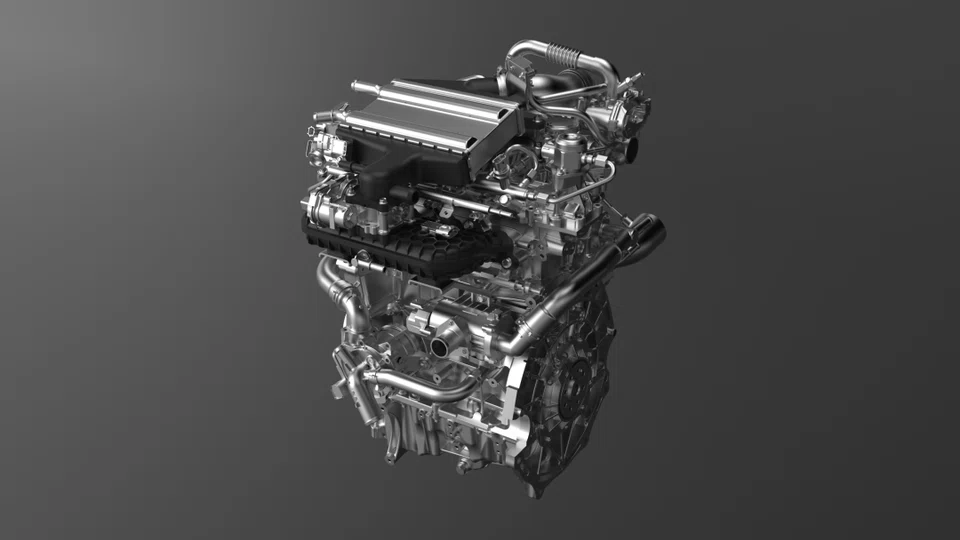
CHINA’S Guangzhou Automobile Group Co (GAC) said it has developed the world’s first car engine that runs on ammonia, adding to new energy solutions such as battery-powered electric vehicles (EVs) and hydrogen fuel cells that reduce carbon emissions in the transport industry.
“We’ve overcome the pain point of ammonia being difficult to burn quickly and put the fuel to use in the passenger car industry,” Qi Hongzhong from GAC’s research and development centre told reporters. “Its value to society and for commercial uses are worth anticipating.”
The engine was unveiled as part of the company’s annual technology showcase, which also demonstrated a flying car called Gove that resembled a large drone and a Trumpchi minivan powered by a hybrid-hydrogen platform, an alternative fuel system that’s being promoted by its Japanese partner Toyota Motor.
Ammonia is being explored as a carbon-free fuel but it faces hurdles because of its low flammability and high nitrogen oxide emissions. GAC said it has developed a 2.0-litre engine that can burn liquid ammonia more efficiently in a safe manner, achieving 120 kilowatts of power and a 90 per cent reduction in carbon emissions compared to conventional fuels, according to Qi.
State-owned GAC is leading Chinese legacy automakers in the transition to green energy. Its EV brand Aion became the third best selling clean-car brand in the country, behind BYD and Tesla, after overtaking General Motors’ joint venture with SAIC Motor and Wuling Motors Holdings. The Guangzhou-based company has been investing in research and development, and incubated the battery making unicorn Greater Bay Technology, which is working on EV cells that can charge in 15 minutes and in all weather conditions.
Work on ammonia as an alternative fuel has been mostly concentrated in trucking and shipping, rather than passenger vehicles like cars, because those industries have been better positioned to handle the toxic substance. Safety protocols and systems are already in place for industries like commercial shipping, which has been transporting it at massive scale for years as a raw material for making fertiliser.
Navigate Asia in
a new global order
Get the insights delivered to your inbox.
Mitsubishi Shipbuilding completed delivery of an ammonia fuel supply system for marine engines in May, while start ups like New York-based Amogy are working on ammonia-based alternatives that convert the chemical to hydrogen before it is sent into a fuel cell to power a vehicle.
There are still a lot questions over using ammonia to power passenger cars given the difficulty in its handling and a lack of refuelling infrastructure. Most automakers are focusing their efforts on electrification. Even hydrogen fuel cell technology, which is being heavily promoted by the Japanese government, is generating little interest elsewhere.
“Ammonia is hellish to handle,” said Colin McKerracher, head of transport and automotive analysis at BloombergNEF. “I can’t see it taking off in passenger cars.” BLOOMBERG
Decoding Asia newsletter: your guide to navigating Asia in a new global order. Sign up here to get Decoding Asia newsletter. Delivered to your inbox. Free.
Share with us your feedback on BT's products and services

