

Co-lending makes headway as South-east Asia’s private credit space matures
The practice may catch on as roles of banks change, and they look to boost expertise or diversify portfolio


PRIVATE credit managers are making inroads into South-east Asia with co-lending offerings, as the industry grows and investors develop a deeper understanding of the asset class.
Co-lending is to private credit what co-investing is to private equity: instead of putting money into a fund, which then lends the money to a variety of borrowers, limited partners (LPs) commit to lend money to one borrower.
The general partners (GPs) manage the transaction much as they would a private credit fund, but co-lending allows LPs to have greater control over where their money goes as well as over deal terms.
“How you raise money in private markets is evolving,” said Frank Danieli, head of credit and lending at alternative asset manager MA Financial Group. “More LPs are having their own investment teams rather than just allocating money to other people.”
Market players polled by The Business Times said that co-lending is still in its infancy within South-east Asia.
Bao Vu, investment director at asset manager FundBridge Capital, noted that co-lending is much less common than co-investing within the region.
This could be because private credit as an asset class has a much shorter history in South-east Asia than private equity.
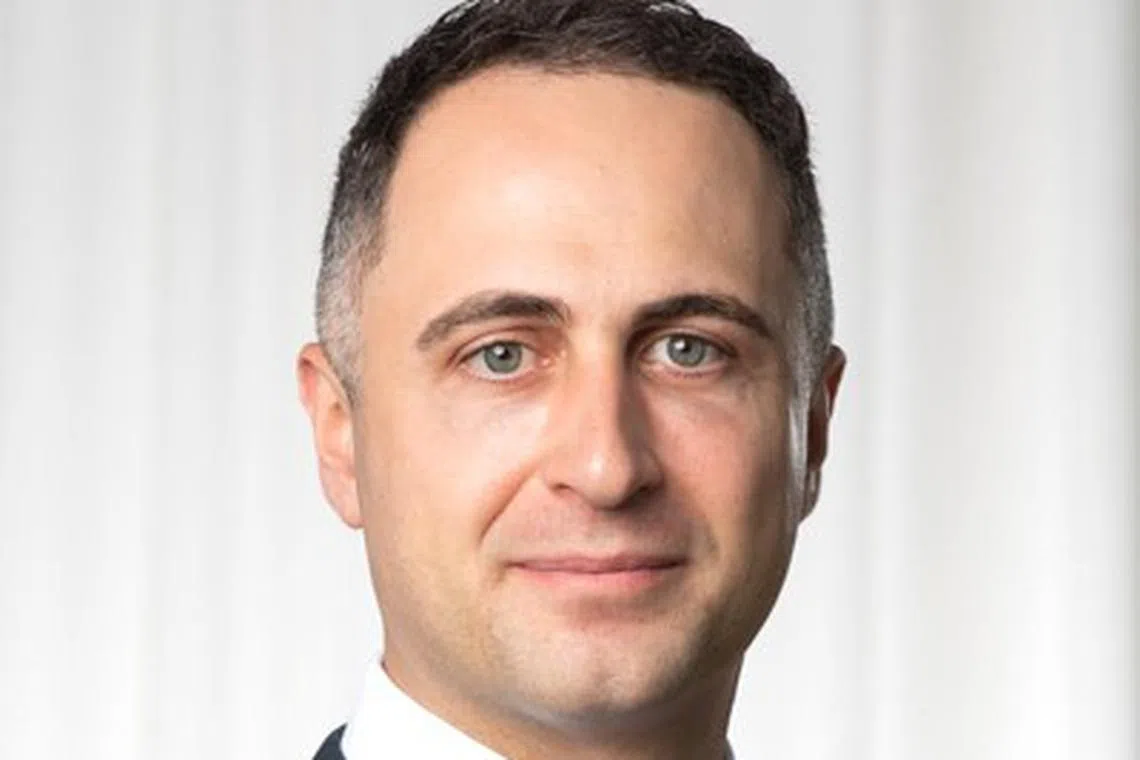
“This space is really still growing,” said Clifford Lee, global head of investment banking at DBS, who noted that the region’s private credit sector only began to take off in the last three or four years.
Denny Goenawan, managing partner at South-east Asia-focused GP Indies Capital Partners, pointed out that the experience “might be different in a developed market such as Australia or Japan”.
In South-east Asia, however, “not all LPs have the dedicated resources to invest directly into alternative investments like private credit, where more due diligence is necessary”, he said.
Supply-side push
Danieli of MA Financial sees co-lending catching on, though, especially as supply is generated by changes in the roles of banks.
“As banks have consolidated and streamlined the things that they do, they don’t have the institutional knowledge to (originate or structure some transactions),” he said.
This is particularly true in some markets, such as Australia and the United States, where regulatory requirements or scrutiny have made some types of lending more challenging.
While it is still “early days” in Asia, Danieli sees such changes coming to this region over time. For that reason, he said, South-east Asia is “starting to become more interesting” for the company.
“We are moving someone from our investment team up to Singapore later this year for this very reason. There’s a desire for banks to look at the portfolio of assets that they already have on their balance sheets... (and consider) whether they really should be partnering with other private lenders to be able to do more deal flow going forward.”
One bank that made a first move in this direction some time ago is DBS, which in 2021 agreed to be an anchor investor in a private debt fund run by Muzinich & Co. As part of that investment, DBS also got seats on the fund’s investment committee and advisory committee.
DBS’ decision was fuelled less by regulatory demands and more by a desire to diversify its lending portfolio, build product knowledge and increase the solutions available to clients.
“We use the fund as an extension of our financing solutions to our borrowing clients, and an extension of our investment alternatives to our investor clients,” said DBS’ Lee.
Lee, who was previously global head of fixed income at DBS, said the bank’s approach to helping clients obtain financing has also evolved.
“We’ve combined our fixed-income team with our equity capital markets team and our stock-brokerage team into one investment banking unit,” he noted.
“Traditional ways of fundraising have become difficult,” he added, referring to difficulties issuing bonds and stocks due to market volatility. “It is important that we speak to our clients in a fashion that is most suitable depending on where the market is.”
Demand-side pull
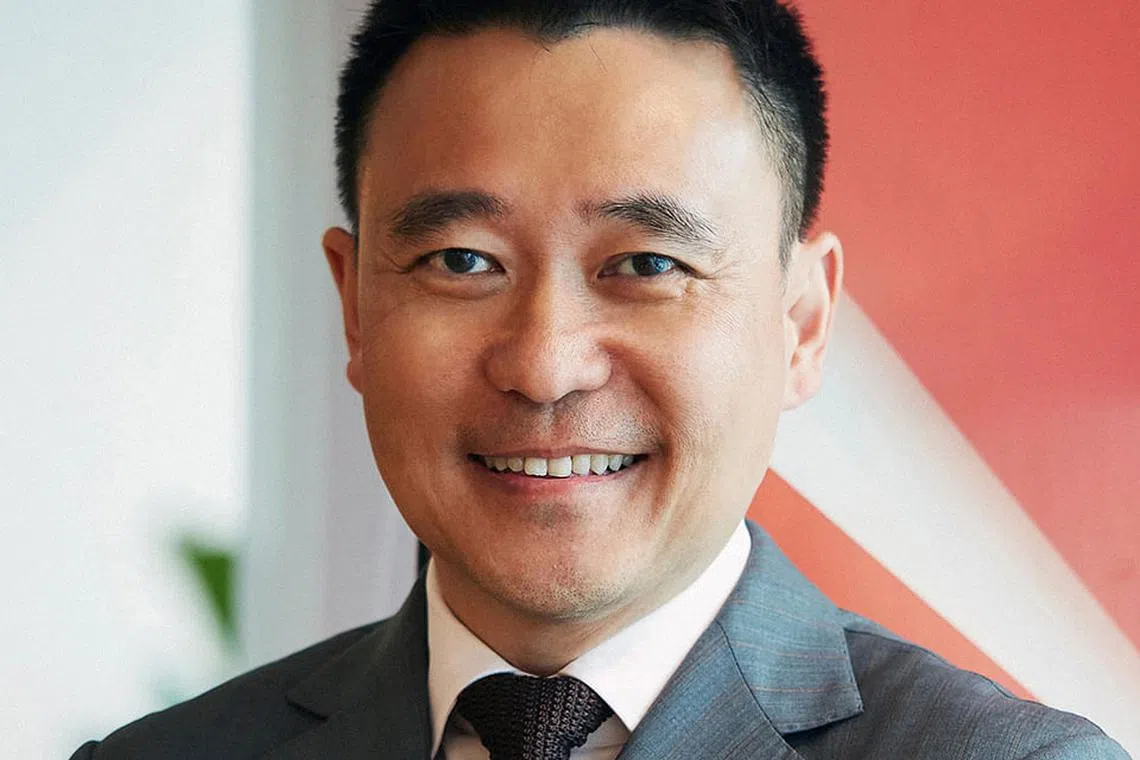
Andrew Tan, Asia-Pacific chief executive and head of Asia-Pacific private debt at Muzinich, said that some banks have also set up segregated mandates to do co-lending as part of a conscious effort to gain exposure to private credit.
Some situations might be more appropriately led by a GP – such as if a loan is for a cross-border acquisition.
Banks may want the exposure, but recognise that they may not have the in-house expertise to do the credit evaluation, underwrite the loan, manage the risk or even source these opportunities.
“A bank might not be set up to monitor or manage that situation as well as a fund manager may be,” pointed out Tan.

Indeed, expertise – or the shortage of it – was the top reason cited for choosing co-lending over an investment in a private credit fund.
FundBridge’s Vu said that co-lending could help an LP build its expertise. “An LP may not have expertise, but may want to get its personnel involved in the process to acquire skills.”
Indies’ Goenawan noted that institutional LPs are also more likely to express an interest in co-lending if they have a team dedicated to doing due diligence for such one-off deals.
“Family offices or high-net-worth individuals may exhibit greater risk tolerance for direct and co-investments if the deal is in their home market or if it’s within a sector they are more familiar with,” Goenawan said.
“Large institutional investors, on the other hand, typically have a larger ticket size and therefore take more time to process co-investments. Family office and high-net-worth investors can be more agile but typically have a smaller ticket size.”
Muzinich’s Tan sees more pension funds, insurers and family offices – with interest roughly in that order – looking at co-lending as a diversifier.
“It’s very cost-efficient,” added MA Financial’s Danieli. “It does require a degree of expertise and the right scale, (but) it’s the next and logical evolution for private credit.”
TRENDING NOW

From AI financing to Indonesia outlook: 4 takeaways from Singapore banks’ Q3 results

VinFast, Mitsubishi weigh Philippine EV production as state incentives near

Analysts cut DBS target price on lower 2027 earnings, but see buying opportunity after share price slide

Could Japan trigger the next global financial crisis?

