

Cocoa prices to remain weak this year but grinders, chocolate makers optimistic about long-term demand trend
Cocoa and chocolate demand in Asia has grown over the years, and many expect this long-term trend to persist post-pandemic

Uma Devi
Singapore
HOME bakers were unable to buy flour earlier this year, but the demand for chocolate has actually fallen - taking cocoa prices down too. Cocoa and chocolate suppliers within the Asian region aren't too worried though, and are in fact spending to grow.
A Fitch Solutions report on Thursday said cocoa prices had trended lower in May and June as recession fears dampened demand for the commodity. Prices had hit a 52-week low on July 8 at US$2,100 per tonne, before recovering slightly.
Fitch has lowered its average price forecast for 2020 to US$2,247, from the previous US$2,555 per tonne in May, citing a "material decline" in chocolate demand, especially for higher value products.
Cole Martin, a senior commodities analyst at Fitch, told The Business Times that while the supply outlook is "relatively positive" leading into 2021, consumption growth is likely to be negative.
"Covid-19 has severely disrupted duty free and food service channels without a corresponding increase in retail demand," he said.
"Cocoa prices will be volatile in the coming weeks as supply reductions in Ghana and trade disruptions in various exporting countries buffet prices."
Marc Donaldson, executive director of the Cocoa Association of Asia (CAA), told BT that Covid-19 has dragged chocolate sales down as traffic in airports - where a lot of chocolate is sold - dried up. Similarly, chocolate demand in the hotels, restaurants and catering sector has been "reduced drastically".
Indeed, locally listed chocolate maker and distributor Delfi reported weaker financial results for the half year ended June. Net profit for the period fell 29.6 per cent to US$10.8 million, from US$15.4 million in the year-ago period. Revenue declined 12.1 per cent decline to US$211.4 million.
Delfi attributed lower sales to declines in consumer mobility and retail operations, brought about by the Covid-19 pandemic. The group's customers were adversely impacted by shorter operating hours and the temporary closure of some retail malls, as well as by the temporary closures of wholesalers and distributors.
The company also warned that although it began seeing "signs of recovery" in June on the back of lockdowns being eased, it is still early days to estimate the impact on its full-year results.
Cocoa producers and suppliers in the region, however, are still seeing steady demand for their goods. According to Fitch's Mr Martin, cocoa grindings in the Asia region continue to be relatively strong.
JB Foods, which produces cocoa ingredients such as cocoa butter and cocoa powder, reported a 31 per cent increase in revenue to US$208.8 million for the half year ended June as average selling prices of cocoa ingredients were higher year on year. The company's topline also enjoyed a lift from higher shipment volume for cocoa ingredients.
Lower utilisation of the group's factory processing capacity, however, led to an increase in costs such as overheads, depreciation and warehousing storage, which resulted in the group's net profit sinking 22.4 per cent to US$10.4 million - from US$13.4 million in the year-ago period.
JB Foods last year expanded its bean processing capacity by 24 per cent to 180,000 tonnes in an attempt to keep up with "booming chocolate demand" and achieve optimal utilisation.
Cocoa and chocolate demand in Asia has grown substantially over the years, and most industry participants expect this long-term trend to persist once the pandemic is brought under control.
Mr Donaldson of CAA pointed out that Asia has seen the "best growth in the world by a long stretch", and is now responsible for producing one million tonnes of cocoa beans or about 20 per cent of the world's entire cocoa crop - up from 600,000 tonnes in 2011.
Over the same period, America's processing capabilities remained flat, while Europe saw an increase of about three to four per cent.
Local agribusiness group Wilmar International is among those taking a long-term view. Wilmar had in 2017 bought a 50 per cent stake in Singapore chocolate manufacturer Aalst Chocolate for an undisclosed sum. The group said the acquisition would be a strategic complement to its own specialty fats and sugar businesses, as the two commodities are essential raw materials for chocolate.
Today, Wilmar said, Aalst constitutes just a "very small component" of its operations and therefore has a "negligible contribution" to the group's financials. But it is expecting Aalst to grow "rapidly" with the ability to leverage Wilmar's manufacturing and distribution network in Asia.
BT had reported this month that Wilmar is buying the former Coca-Cola bottling plant in Tuas for S$29.5 million. The property is in a food zone and could be used for the manufacturing operations of Aalst as well as for Wilmar's own food distribution operations.
Wilmar said Aalst would try to capitalise on several trends, including the rise in home baking and online sales. It said there is also greater demand for better quality products among Asian consumers. Aalst produces chocolate for the industrial, food service and consumer sectors.
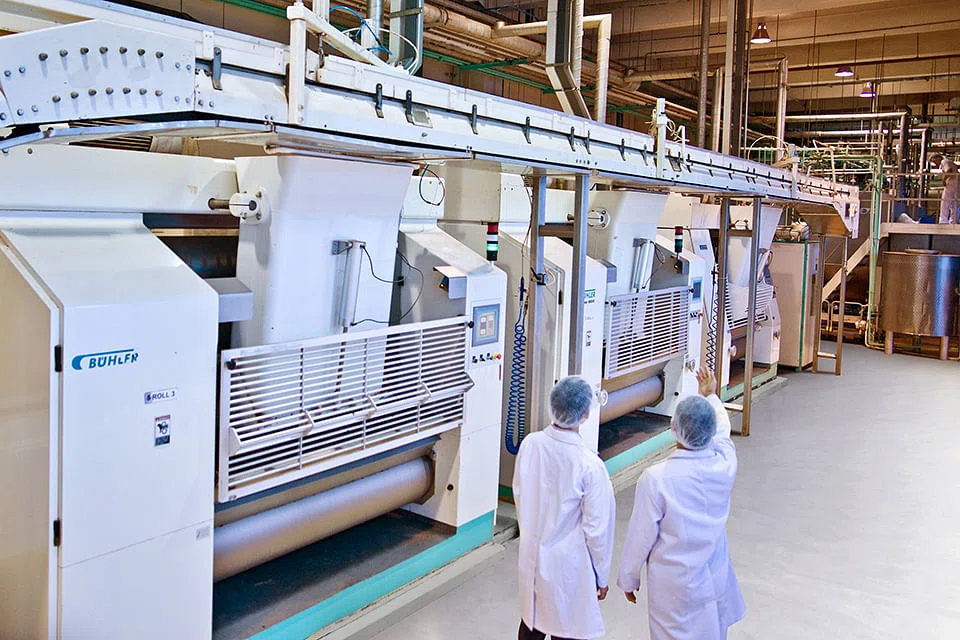
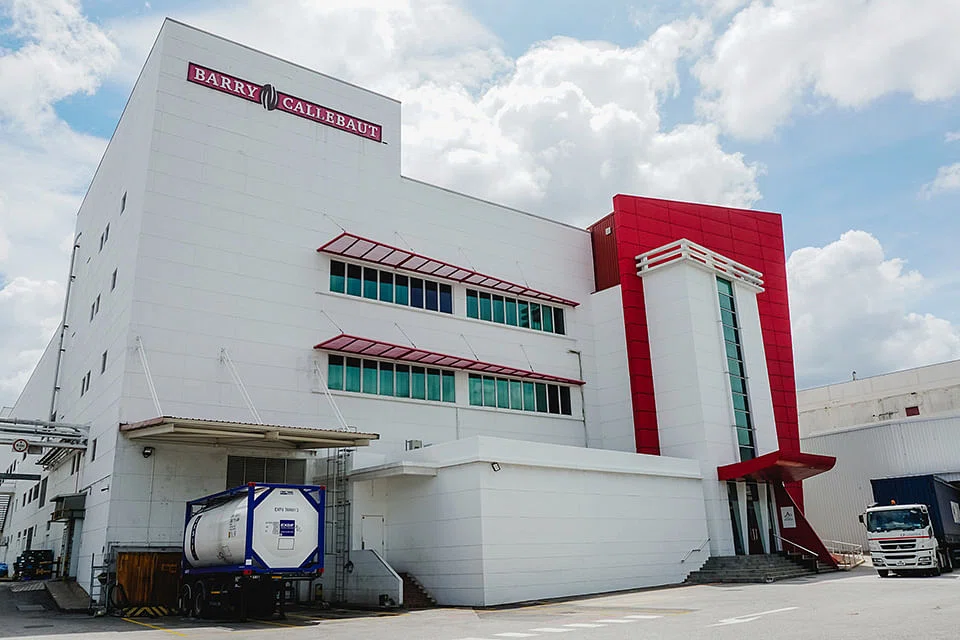
Meanwhile, Barry Callebaut in June added a fourth chocolate line to its chocolate factory in Singapore. The company, which is listed on the SIX Swiss Exchange but has sizeable chocolate operations in Singapore, said it wanted to boost the volume of production for the Asia-Pacific region.
Richard Fahey, Asia-Pacific vice-president at Barry Callebaut, told BT that most of the company's products are "geared for home consumption", and that these have increased in sales.
"Our overall activity remains fairly high because our chocolate and cocoa products are used as ingredients in many essential food products such as beverages and biscuits," he said. Like Wilmar, Barry Callebaut also serves a variety of customers in different sectors.
In an environment of low cocoa prices, however, Mr Donaldson of CAA cautioned that companies will have to make the right investments.
Over the past decade, smaller operators in Indonesia have been forced to close down as they were either unable to compete in the market or were unable to afford cocoa beans.
He said: "You can spend S$90 million on a factory, but if you don't have the human capital and knowledge to run it well, then you're going to really struggle.






