

Coffee business may leave Olam with bitter taste in 1H 2019
Some factors: supply glut keeping prices of beans low, political risks in largest producer Brazil and bad weather

Singapore
AGRI and food giant Olam International whose business is exposed to the vagaries of weather patterns and cyclical crops expects the coffee business that was part culprit for its just-released weak 2018 earnings to remain under stress in the first half of the year.
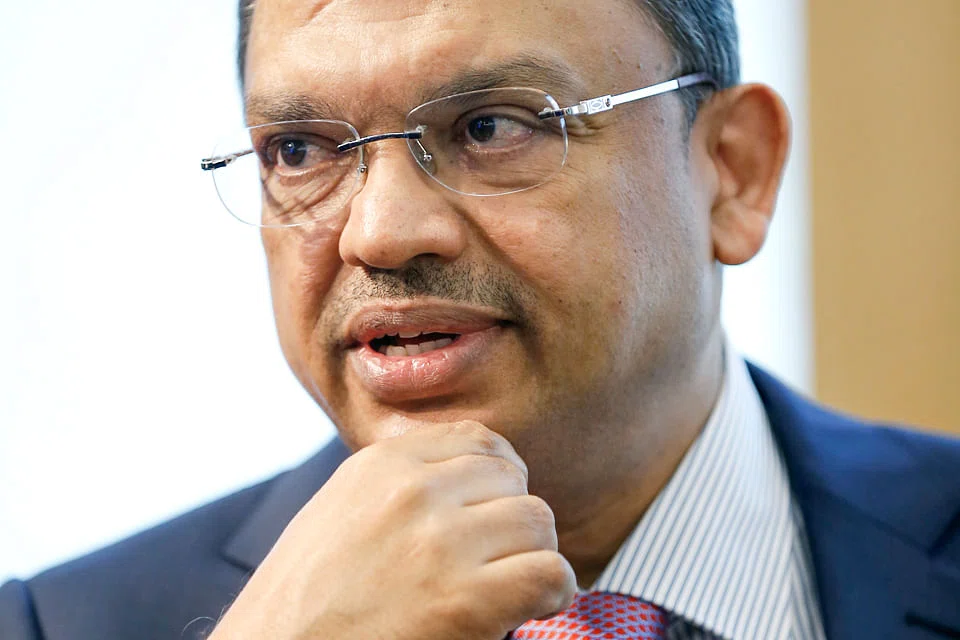
"We expect margins in the coffee business to be under pressure over this period given the continued headwinds," said Olam chief executive and co-founder Sunny Verghese at a results briefing on Thursday when asked about the most significant risks over the next six to 12 months.
In terms of the supply glut that has been keeping a lid on coffee bean prices, Mr Verghese said he expects the global coffee surplus of nine million bags to be revised downwards to about five million bags this year given the lower crop in South and Central America as a result of the difficult weather.
"This is the coffee story. So, if we have any further weather-related surprises, this market could potentially rally," he said, adding that the direction of the Brazilian real (Brazil is one of the world's largest coffee producers) which could remain stable as markets reassess the political risks there was an added factor that could support the crop's prices.
Coffee is one of 12 chosen areas apart from cocoa, edible nuts, cotton and spices to name a few that the group said it wants to double down and invest more into under a six-year strategic plan that was unveiled just over a month ago. The group's agenda that spans until 2024 also includes divesting assets that no longer fit its priorities including rubber, sugar and wood products which it estimates could free up some US$1.6 billion.
Earlier in the week, Olam said it acquired Indonesia's largest cocoa processor in a deal worth US$90 million.
"Cocoa is our crown jewel. We had a very strong configuration of assets and footprint in our cocoa processing portfolio in Africa and Europe and the missing piece was Indonesia. With this acquisition, we have completed that footprint," said Mr Verghese.
On whether the weakened global environment has led to a reset of the timeline for the group's asset divestments, Mr Verghese replied that the plan was "progressing" and the team was "pleased with the trajectory of our negotiations and discussions on these assets." He added: "As we said earlier, we are in no hurry."
The Singapore-based firm which counts Temasek Holdings as its majority owner, posted a 72 per cent drop in net profit to S$75 million for the three months to Dec 31, 2018 from a year ago due to a large exceptional gain in the final quarter of 2017 from the sale of lands in the US and an Indonesian sugar refinery.
Revenue jumped 17 per cent for the fourth quarter to S$8.5 billion. "Historically low" coffee prices led to a 12 per cent dip in revenue for Olam's confectionery and beverage ingredients while revenue in the edible nuts and spices segment fell 4 per cent due to lower prices across multiple products.
The group's biggest topline contributor - food staples and package foods business - posted a 49 per cent jump in revenue owing to higher trading volumes in grains while the industrial raw materials, infrastructure and logistics division saw revenue click higher by 16 per cent.
Mr Verghese also pointed out that the probability of El Nino has risen which in turn could impact palm oil production and push the commodity's prices higher. "We see El Nino as a moderate event at this point of time," he said.
The UN weather agency said recently that there was a 50-60 per cent chance of the El Nino weather conditions associated with drought and flooding to occur in May but it was unlikely to be as intense as the last one in 2016.
For the full year, net profit fell 40 per cent to S$348 million on the back of a 16 per cent improvement in revenue to S$30.5 billion.
"Compared with a strong performance in the previous year, our 2018 performance has been below our expectations amid tougher than anticipated market conditions, particularly in the second half of the year," said Mr Verghese.
There were some key positive takeaways.
Net gearing improved to 1.32 times in 2018 versus 1.46 times the previous year while free cash flow to equity came in higher at S$1.07 billion from S$1.02 billion a year ago as a result of reduced capital expenditure and lower working capital.
With that, the board declared a final dividend of four Singapore cents per share, the same as last year and maintained total dividends at 7.5 Singapore cents for 2018.
Olam shares fell five Singapore cents or 2.5 per cent to finish at S$1.96 on Thursday.






