Coliwoo eyes 10,000 rooms by 2030 as it gears up for SGX listing
The co-living space’s popularity has significantly contributed to its parent LHN’s net profit of S$14.1 million for the first half of FY2025 and was the primary revenue driver for the group in FY2024

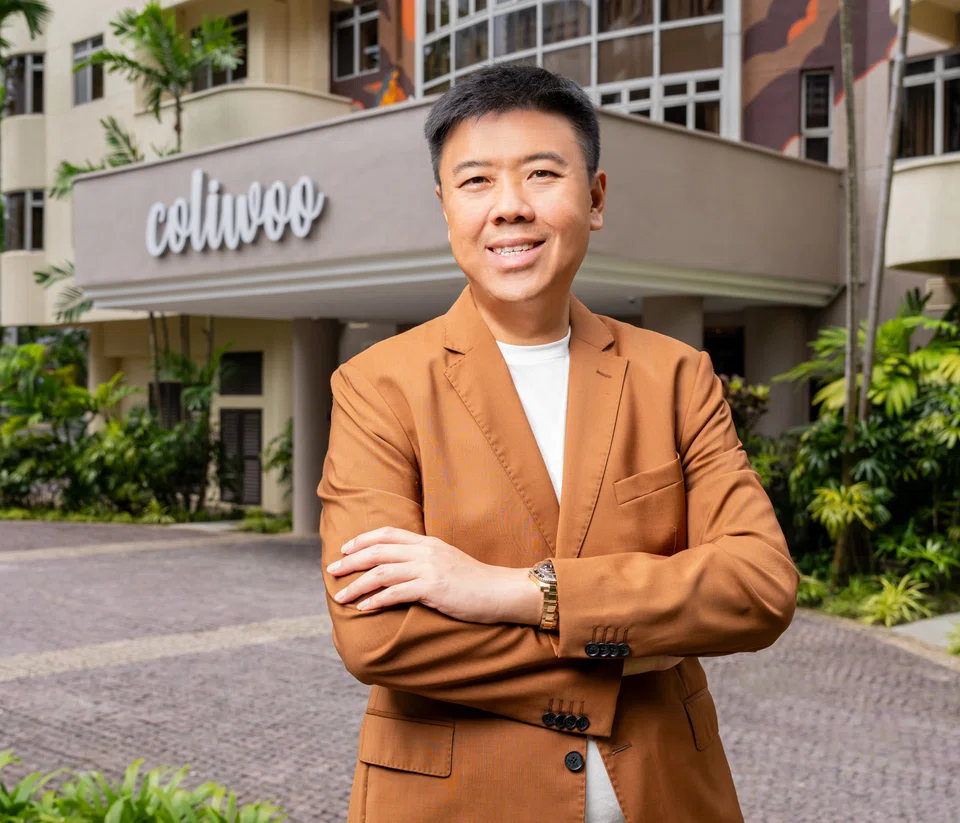
[SINGAPORE] When his housemate at his Housing & Development Board (HDB) rental unit returned to Vietnam in 2021, Simon Nguyen, also Vietnamese, began searching for a new place to live.
The 35-year-old software engineer decided to try Coliwoo, drawn by its all-inclusive rentals and fully fitted rooms.
“I realised if I rent a whole HDB unit, it is a bit expensive and... hard to maintain. So I decided to try Coliwoo out because the concept was new,” said Nguyen, referring to how the rental cost covers utilities, maintenance and Internet in a single payment.
Four years on, he is still calling the co-living space home.
He currently lives with his wife at Coliwoo 1A Lutheran near Botanic Gardens MRT, and appreciates both its location near his office and the privacy of a standalone unit.
The popularity of Coliwoo’s co-living space has significantly contributed to the mainboard-listed LHN’s net profit to S$14.1 million for the first half of FY2025. Coliwoo, which sits under LHN’s space optimisation business segment, was the primary revenue driver for the group in FY2024 as well.
With demand rising, Coliwoo is preparing to spin off from parent company LHN into a separate listing, a move aimed at streamlining LHN’s operations and enhancing shareholder value. Shareholders approved the plan at an extraordinary general meeting on Sep 9, paving the way for Coliwoo to list on the Singapore Exchange (SGX) mainboard by the fourth quarter of this year.
In an interview with The Business Times, LHN’s executive chairman Kelvin Lim also shared that Coliwoo is targeting about 10,000 rooms in Singapore by 2030, up from around 3,000 currently.
Preparing for IPO
Founded in 2019, Coliwoo currently has 14 properties across Singapore and a total of 2,960 rooms as at Jun 30. The properties can be rented for anywhere between one night and several years.
The size of Coliwoo’s rooms differ based on the property, but can go from around 10 square metres (sq m) for a standard studio to around 37 sq m for a large queen suite.
Depending on the studio type, tenants may have personal kitchenettes or washing facilities within their rooms, or have to share these facilities with other residents in common areas. Tenants can also use common facilities such as kitchens, gyms and lounges.
Lim told BT that Coliwoo’s appeal lies in the convenience of its all-inclusive set-up, as well as its flexible leases.
While leases in public housing or condominium units typically start from at least a year to three years, Coliwoo, which has a hotel and serviced apartment status, can offer a range of leases to attract both short and long-term tenants. This allows Coliwoo to attract short-term tenants.
Rental pricing is competitive with studio units in the vicinity. For instance, Coliwoo Orchard charges between S$3,000 and S$4,000 a month, though the units are smaller, at 15 to 20 sq m compared with 30 to 50 sq m for nearby studios, added Lim.
Still, he emphasised that the higher value lies in the “ready product” approach which allows residents to move in immediately. Coliwoo’s communal facilities and group activities for residents, such as yoga sessions, also create a sense of community among tenants.
Said Lim: “You cannot just think of yourself as a landlord trying to rent out a room, because co-living is a lifestyle.”
Lim said that the profile of tenants has changed since the Covid-19 pandemic first hit in 2019. While the tenants had initially been returning Singaporeans who were looking for a quiet space to work and live during the pandemic, Coliwoo’s tenant profile is now mostly expatriates and international students. For example, its property at Boon Lay attracts students and faculty members from nearby Nanyang Technological University, said Lim.
Room to grow
As the company prepares to list, it is also navigating a crowded co-living market. Coliwoo, which has around 20 per cent of the market share, has had to contend with other co-living players in the market. Other popular names include Habyt, Cove and The Assembly Place.
Nevertheless, Lim believes the market is not saturated yet.
Lim estimated that while Singapore has about 320,000 rental rooms across public and private housing, Coliwoo accounts for less than 1 per cent of the overall market share. “So actually, we are still very far away from (reaching) the ultimate big market (share),” said Lim.
Looking ahead, Coliwoo plans to expand steadily in Singapore, adding about 800 to 1,000 rooms annually with the goal of reaching around 10,000 rooms by 2030 before exploring regional markets. Lim noted that only a major policy change restricting travellers will significantly impact growth. Even during the Covid-19 pandemic, Coliwoo attracted local guests, demonstrating the flexibility of its model.
Coliwoo will also launch a resort-style co-living property at 159 Jalan Loyang Besar near Downtown East by the third quarter of 2026. The property will be Coliwoo’s third-largest, after Coliwoo Boon Lay and its flagship Coliwoo Orchard.
For Nguyen, monthly rent has crept up since he first moved into Coliwoo, and now sits in the range of S$2,500 to S$3,000. Yet despite the rise and the softening private rental market, he has no plans to leave.
He said: “I don’t know how much a studio condominium (unit) costs at the moment, but I prefer Coliwoo because peace of mind is the most important.”