

Coliwoo eyes growth overseas as parent LHN seeks next space-optimisation gem
Co-living player eyes markets where renting is the norm; LHN mulls self-storage and even eldercare arenas

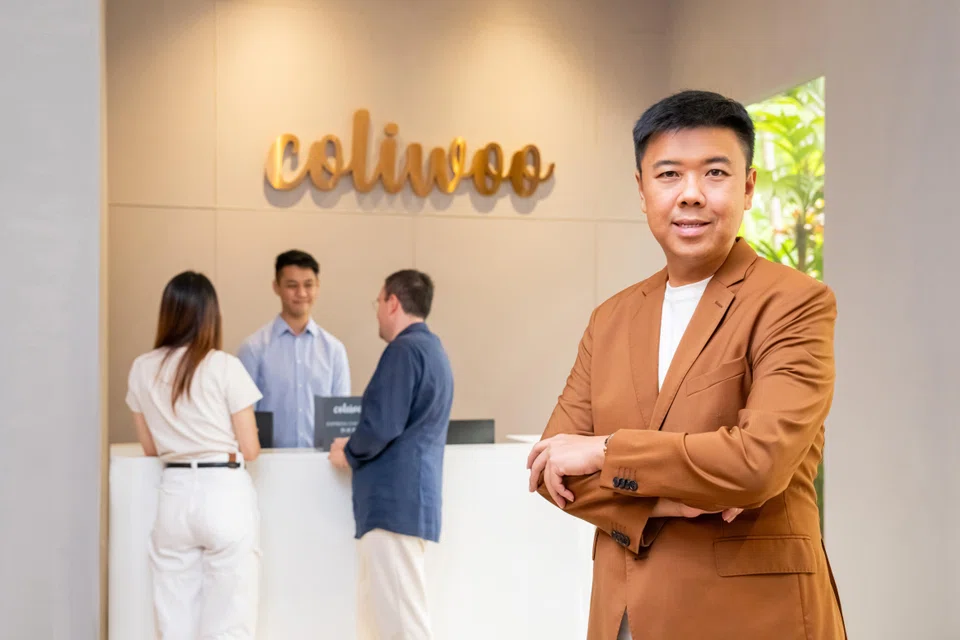
[SINGAPORE] Co-living operator Coliwoo is preparing to expand overseas and more than triple its room inventory to 10,000 by 2030, in its next phase of growth beyond the maturing Singapore market.
Its executive chairman and CEO Kelvin Lim told The Business Times: “(We are) choosing a market where we can really scale up the business to a certain extent.”
He declined to name specific markets.
Coliwoo went public last November after it was spun off from Singapore-based real estate management services company LHN. It now operates about 3,200 rooms in 27 properties in the city state, ranging from serviced apartments to studio units and hotels.
While the domestic market is its sole base for now, Coliwoo’s management is actively sussing out overseas opportunities where rental demand is structurally stronger.
It’s looking in places where property ownership is not a given and renting is the norm – the very conditions that favour co-living models. Tenants in such markets might find co-living more value-for-money and more interesting for the community aspects of living, Lim added.
Japan, for example, has strict rental regulations that require one seeking to rent a residential unit, to have a sponsor.
“But if you go for co-living, you don’t have this problem,” said Lim.
Singapore still core
Even as it looks abroad, Singapore remains central to Coliwoo’s growth, supported by steady inflows of foreign workers, students and corporate tenants.


“Our clients are more than just the usual students and expats. We also have corporate clients who come for short or longer stays, as well as tourists who stay in our hotels. That’s the kind of demographic we’re looking at,” said Lim.
Coliwoo’s diversified tenant base enabled it to maintain strong occupancy levels of 96.5 per cent in the first quarter of FY2026.
The co-living operator prefers to be flexible with its options; it will not restrict itself to the purpose-built student accommodation (PBSA) market in its forays overseas, said Lim.
Expansion plans aside, Coliwoo is stepping up investments in its product offerings to improve its tenant retention and pricing power.
One of its latest properties, Coliwoo Midtown, offers a gym and cold plunge facilities. The property along Middle Road also has a co-working space, event area and a private room – offerings that its older properties lack.
Coliwoo also plans to rejuvenate its older assets; the oldest asset in its portfolio, Coliwoo Boon Lay, is almost nine years old.
“We have plans to do a concept upgrade (for Boon Lay). Other than that, (we also look at) the length of the lease and other factors, but our tenants can look forward to more interesting concepts among Coliwoo’s offerings.”
In the pipeline is a conversion of the former Park Avenue Changi Hotel, which it acquired for S$101 million from ESR Reit and plans to turn into a co-living hotel.
That property is expected to be launched after Coliwoo Resort Changi, a 380-room resort chalet, which is expected to debut in the third quarter of 2026.
On to the next
LHN, which now holds a 65 per cent stake in Coliwoo, had prioritised the co-living business in the last eight years, said Lim, who is also executive chairman and executive director of LHN.
With Coliwoo now independent and listed on the Singapore Exchange, LHN is in a better position to grow its other business segments, which had been passing on their earnings to grow Coliwoo, he added.
LHN is, for example, seeking out potential business opportunities in the self-storage business.
JTC lifted the moratorium on the self-storage business in Singapore in January 2025, which allowed self-storage companies to continue with their leases and operate in areas earmarked for light and clean industries.
Lim said: “We are ready to continue to grow our self-storage business in Singapore through M&As (mergers and acquisitions) or the acquisition of sites.”
LHN is keeping an eye out for possible master leases or industrial and commercial spaces to acquire and then rejuvenate and add value, he added.
Plans have been also drawn up to expand its facilities-management capacity to include the eldercare, home care and daycare businesses. LHN’s Q1 FY2026 business update indicated 14 new contracts and 100 renewed contracts for facilities management.
Lim believes that catering to the elderly will unlock opportunities because eldercare is a “big topic in Singapore”.
LHN’s energy business, which is in the broad spectrum of installing solar panels and electric chargers and providing electricity to businesses, is drawing more interest. Enquiries have been received on power purchase agreements and installation of solar panels in the wake of the Iran war, said Lim.
In its Q1 business update, LHN reported that its energy business had bagged a new contract during the quarter ended Mar 31, sending its total solar capacity portfolio to 10.8 MW.
Revenue of the energy business unit grew 29.9 per cent to S$2.1 million in FY2025 from the year-ago period.
Lim does not rule out spinning off other business segments for listing, but stressed that the focus now is on finding capable people to join LHN.
“I always believe if you have the right people, you can do more business,” he said.
Decoding Asia newsletter: your guide to navigating Asia in a new global order. Sign up here to get Decoding Asia newsletter. Delivered to your inbox. Free.
Copyright SPH Media. All rights reserved.
TRENDING NOW

Once staunchly pro-China, Malaysian Chinese businesses are now distancing themselves from Beijing

Looking beyond looming CEO succession, should UOB potentially pursue a transformative merger?

Could stablecoins be the future of money?

Grab CEO’s wife Chloe Tong on life with Anthony Tan and finding her purpose

