OUTLOOK 2023

Company delistings to remain elevated given tough market: analysts

Tay Peck Gek
Published Wed, Dec 21, 2022 · 05:50 AM
    • Rising costs and a challenging operating environment are oft-cited reasons for delisting.
    • Rising costs and a challenging operating environment are oft-cited reasons for delisting. PHOTO: REUTERS

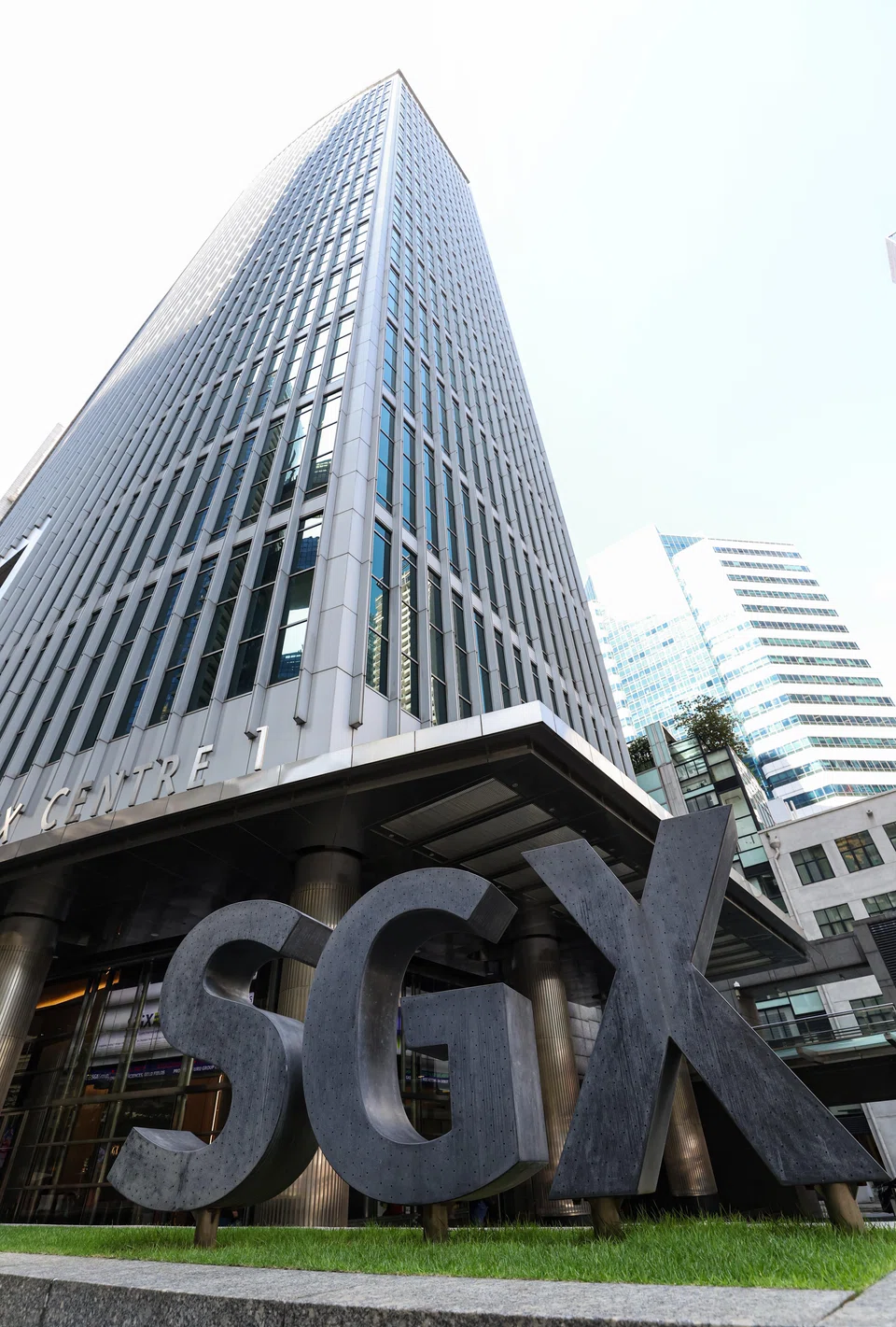
    AMID a challenging investing climate, 34 counters were delisted from the Singapore Exchange (SGX) this year with several more possibly to come before the year ends. Analysts expect the number of exits to remain high in 2023.

    Many of those that gave up their SGX listings in 2022 did so following acquisitions or mergers.

    Singapore Press Holdings (SPH), for instance, delisted after having been a public company for 38 years. SPH was formerly the publisher of The Business Times, but spun its media operations out into a separate company limited by guarantee. The listed entity sans media operations was subsequently acquired by a consortium called Cuscaden Peak, whose backers included property groups CapitaLand and Mapletree, as well as hotelier Ong Beng Seng.


    Cuscaden beat conglomerate Keppel Corp to the marriage altar, following a courtship that saw both parties sweetening their offers.

    Many other companies also decided a public listing was no longer valuable.

    Phillip Securities Research senior analyst Terence Chua noted that the high cost of listing and a challenging environment were often cited by management and boards as reasons for delisting.

    “We do not expect the trend (of delistings) to change for 2023 as valuations remain challenging due to the weak macro environment, which could prompt companies to delist,” he said.

    Tan De Jun, assistant manager of the research and portfolio management team at iFast , said delistings tend to pick up whenever a market downturn occurs or when investor sentiment is weak, because shares will be trading at cheap valuations.

    Indeed, quite a number of companies were taken private at offer prices below their book values.

    The privatisation of property groups SingHaiyi Group and Roxy Pacific Holdings, for instance, was done at discounts of 40 per cent to their book values.

    Other companies quit because they could not maintain their listing status, due to either their insolvency or failure to satisfy listing requirements. Cable products company Hu An Cable, ground engineering company Ryobi Kiso, and kitchen and wardrobe designer for residential and hotel projects Design Studio Group were among those in this group.

    Tan of iFast said bankruptcies could rise next year, leading to more delistings, as the likelihood of a global recession has increased.

    Further, greater competition from regional bourses, such as the Hong Kong stock exchange, may also contribute to the increase in delistings here, given Singapore’s small investor base and trading volumes as well as low liquidity and valuations, Tan added.

    Phillip’s Chua, however, observed that SGX’s pipeline for new listings remains healthy, although timing to list remains uncertain due to the weak macroeconomic backdrop.

    Several more delistings could come this year, adding to the tally thus far of 34. Healthcare provider Singapore Medical Group, crane rental provider MS Holdings , Myanmar-based tourism player Memories Group and coal miner Golden Energy and Resources have proposed delistings. Some of these may not happen soon, but commodities trader SP Corp has confirmed its delisting on Dec 23.

    The number of delistings this year is broadly in line with those in the last two years.

    In 2021, 31 companies were delisted. These included contract manufacturer Hi-P International, food caterer Neo Group and investment holding company Jardine Strategic.

    In 2020, as the pandemic struck, 34 counters exited SGX. Among the notable names were food and beverage player BreadTalk Group and property player Perennial Real Estate Holdings.