

Consumer-first thinking, enterprise AI: Why Tencent Cloud wants adoption to feel like ‘turning on a light’
From palm-scan check-ins to a telco’s zero-downtime migration, the cloud provider says Tencent’s experience running platforms at scale helps businesses put AI to practical use
FOR businesses adopting AI, choosing the right model and connecting it to existing systems can be more complicated than using the technology itself. Tencent Cloud wants to make that experience closer to switching on a light.
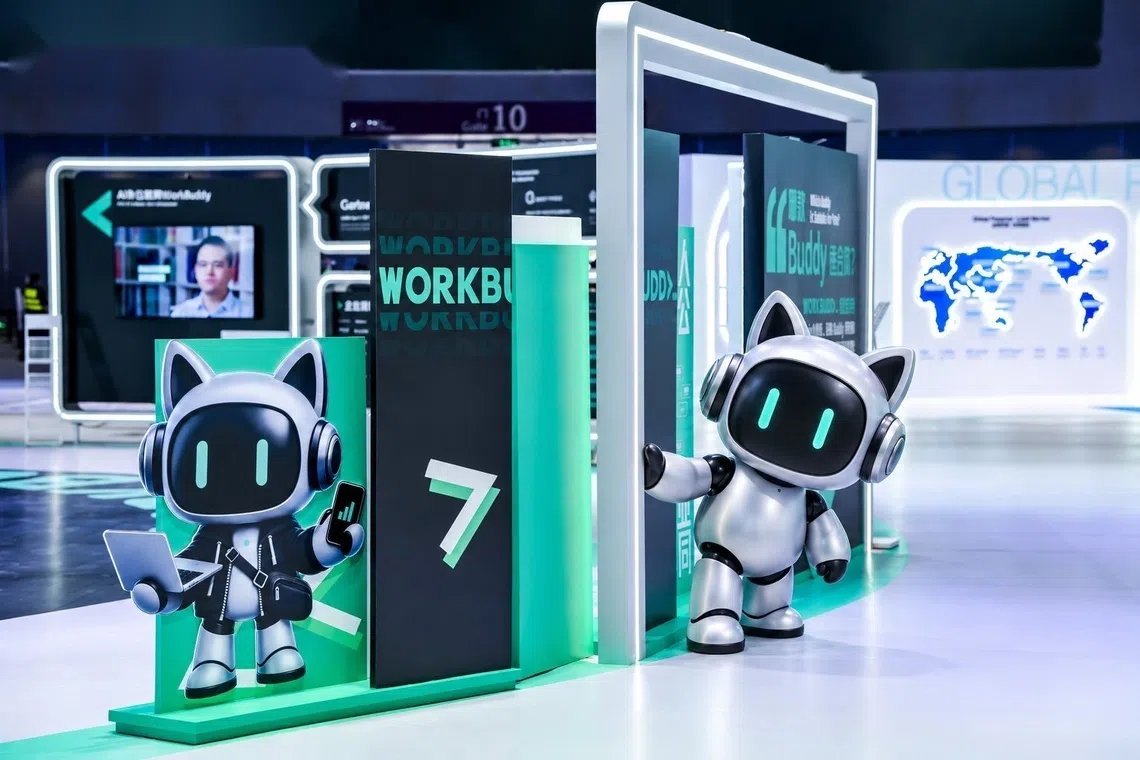
Its WorkBuddy office productivity agent helps employees analyse information, prepare documents and complete tasks across applications. Behind the scenes, it selects a suitable large language model for each task, so employees do not have to make that choice themselves.
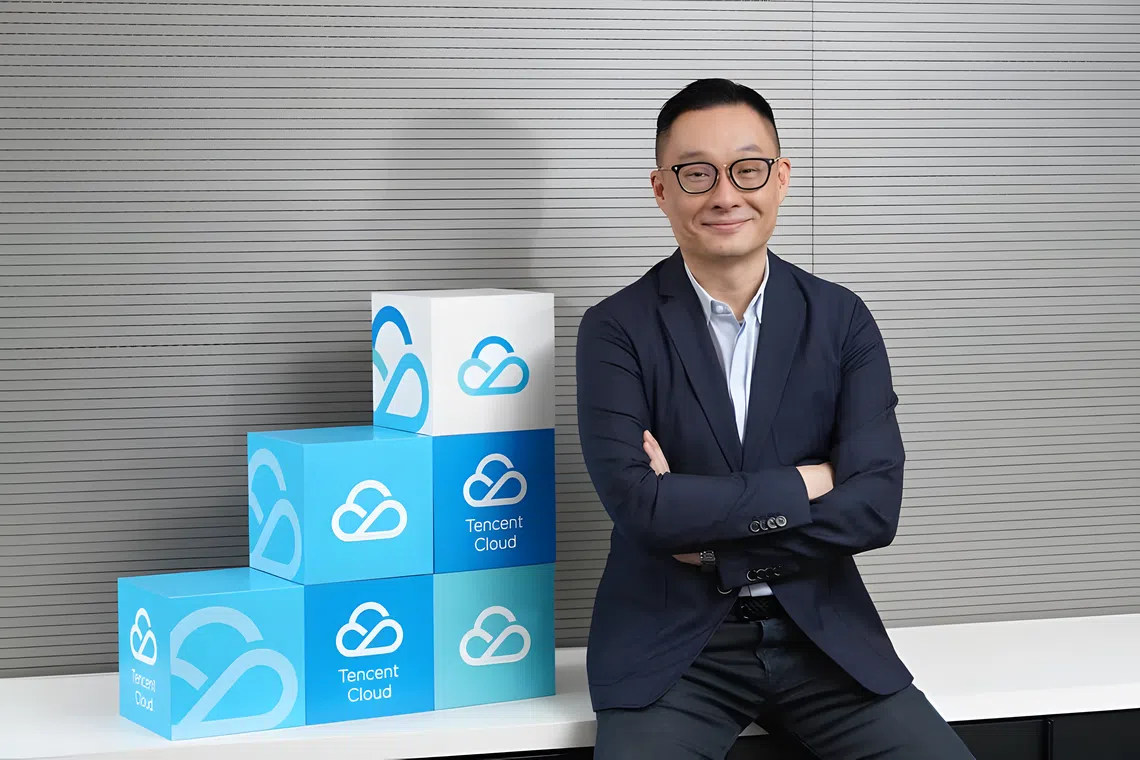
Poshu Yeung, senior vice president of Tencent Cloud and head of Tencent Cloud International, says: “It’s like electricity. You turn on the switch, you see the light. You never ask where the electricity comes from. That’s what we’re trying to do for enterprise AI.”
Since its launch in March 2026, WorkBuddy has rolled out more than 100 updates, a possibility driven through the use of AI. It is developed from real-world internal use cases and shaped by continuous feedback across the company’s ecosystem. The approach draws on Tencent’s more than 20 years of developing consumer services, including Weixin, which combines messaging, payments and everyday services for users in China, and its international version WeChat, which together have 1.4 billion monthly users.
“We have a lot of To-C DNA, and that DNA now comes in handy,” says Yeung, referring to Tencent’s To-Consumer mindset or consumer-first thinking.
But ease of use is only part of the challenge. Many companies in Asia-Pacific are still working out where AI can improve their operations, while grappling with ageing IT systems, fragmented data and regulatory requirements.
Tencent Cloud combines its tools with consulting and implementation support to help them make that transition.
Making complex technology easy to use
Tencent Cloud’s parent company has been developing and deploying its AI capabilities since 2016, positioning the conglomerate to respond to the growing interest in the technology.
Tencent Cloud reported in October this year that its active overseas customer base had doubled over the preceding year, while international demand for its AI solutions had grown at a triple-digit rate.
Part of this international demand is driven by the company’s experience developing and operating digital platforms at scale, as well as its ability to apply AI to practical, everyday tasks.
The same emphasis on user experience informs its enterprise AI solutions.
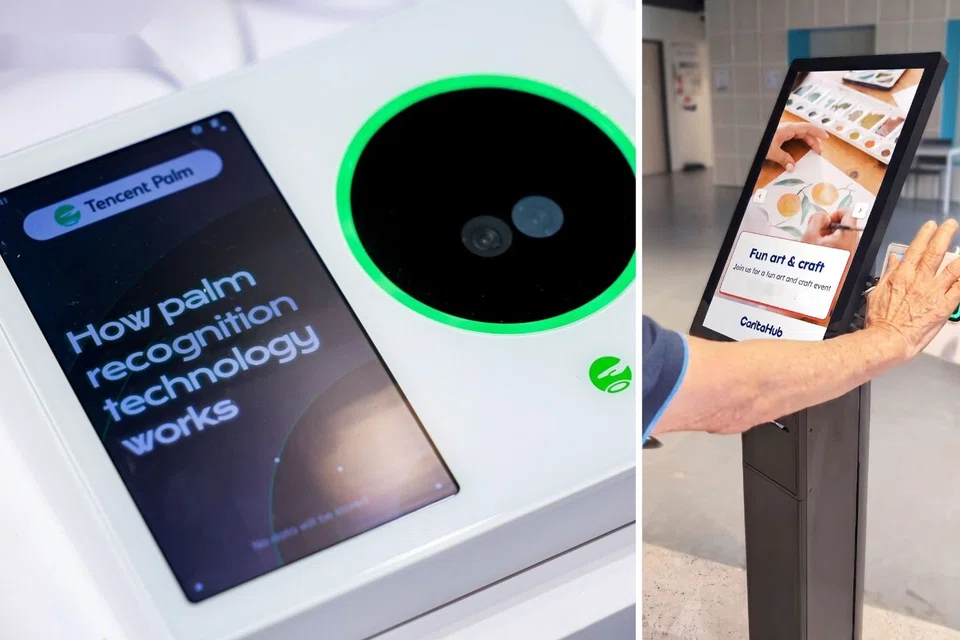
In Singapore, local company Weesware has applied Tencent Cloud’s PalmAI, to senior activity centres through its CaritaHub platform. By building contactless palm recognition into the centres’ everyday check-in, more than 10,000 seniors can now sign in without cards or passcodes.
Instead of carrying a membership card or remembering a passcode, elderly users can identify themselves through palm recognition, making the check-in process simpler and more convenient.
“AI is moving fast, but our priority is ensuring it’s deployed practically to create real, positive impact for the communities we serve,” says Yeung.
While WorkBuddy and PalmAI illustrate how Tencent Cloud makes AI easier for users to interact with, its tools are also being applied to more complex enterprise operations.
In Indonesia, the company was the strategic technology partner for telecommunications operator XLSMART to complete a large-scale cloud migration project. During the process, Tencent Cloud developed more than 20 AI-assisted migration tools using WorkBuddy and AI coding assistant CodeBuddy, moving 1,200 microservices and over 15 terabytes of core data in four and a half months, with zero downtime.
First developed for use in-house, CodeBuddy was able to meet the large-scale requirements partly because the tool had first been tried and tested internally by employees in real-world internal workflows.
Helping businesses identify where AI fits
Enterprises must first understand where the technology can address their operational needs, rather than adopting AI simply because it is available, says Yeung.
Potential applications include repetitive processes in human resources, finance, procurement and legal operations. But wider adoption also depends on modernising legacy systems and connecting fragmented data. To help them move from exploration to implementation, Tencent Cloud’s consultants across Asia-Pacific markets work alongside businesses to identify suitable AI applications.
“Our Consulting-as-a-Service is high-touch, giving businesses an expert to call and talk to about their AI needs, as well as guide their AI strategy,” he says.
Beyond advising companies on technology choices, Tencent Cloud works alongside clients to implement tools and build internal capabilities. By placing forward-deployed engineers directly within client teams, Tencent Cloud delivers tailored solutions at every step of the journey, steering clear of one-size-fits-all deployments.
That emphasis on skills also shapes Tencent Cloud’s wider work with developers, students and businesses. Its AI CAN DO IT hackathon programme has drawn more than 10,000 participants across five markets in the past six months. The Singapore edition, co-organised with AI Singapore, had participants tackle real challenges from partners such as DBS, Keppel, Aspire, Ryde and NTU’s Lee Kong Chian School of Medicine.
Challenges ranged from capturing employees’ expertise for others to draw on to helping patients manage their health. By connecting participants with industry problems and providing training and technical support, the programme helped them build practical AI skills while giving businesses a way to explore potential applications. Looking to 2027, Tencent Cloud plans to expand its international AI solutions and strengthen their global infrastructure helping businesses, helping businesses manage the cost of their digital transformation.
“With AI tools, we can make adoption of advanced technologies happen so easily and seamlessly with the right price performance for businesses to grow alongside the evolving tech ecosystems,” says Yeung.
Find out more about Tencent Cloud’s enterprise AI solutions.

Share with us your feedback on BT's products and services
TRENDING NOW

Singapore bars Alice Huang, woman tied to affair with Nvidia’s Jensen Huang, for misleading police

Nvidia prepares to oust Jensen Huang after news of second affair, with executive: reports

Higher rates, weaker spending: Is the Philippines entering stagflation?

Demand, tech capabilities position Apac and AI as Skyscanner’s next growth frontiers: CEO Bryan Batista

