

Alibaba bids US$1.5 billion for China grocer in fight with Meituan
A Pupu sale to an industry leader may also draw Beijing’s attention
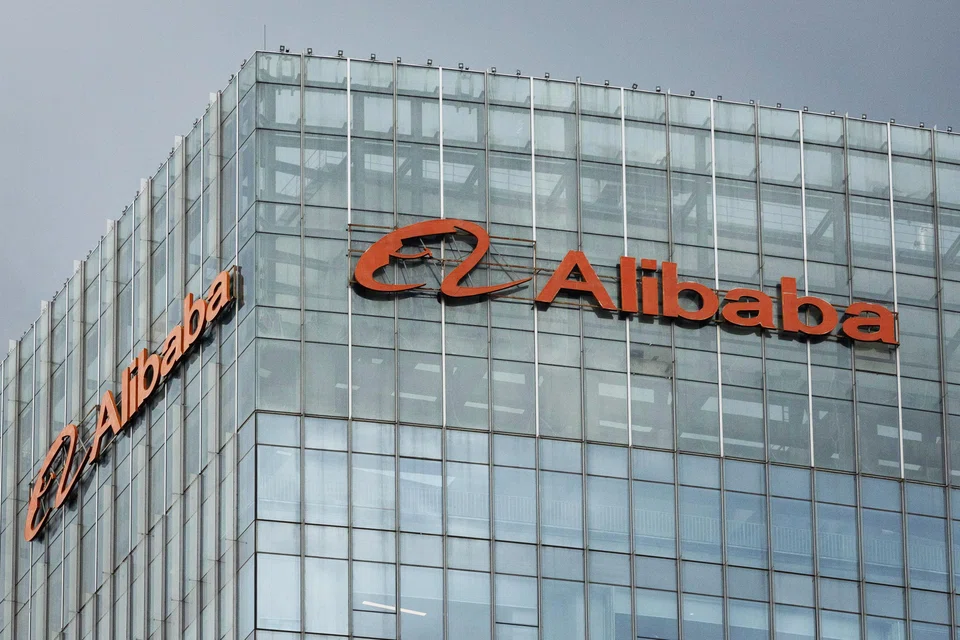
[HONG KONG] Alibaba Group Holding is offering US$1.5 billion to acquire Chinese grocery delivery firm Pupu, initiating a bidding war as part of a broader campaign to wrest market share from Meituan in online commerce.
China’s largest consumer Internet platform’s proposed price is more than double an earlier bid from Sun Art Retail, according to people familiar with the matter. Sun Art, a former Alibaba affiliate that is now backed by private equity firm DCP Capital, had proposed a takeover at US$600 million, the people said, asking not to be identified because the sale process is confidential.
Alibaba’s proposal emerged just months after Meituan announced a US$717 million acquisition of Dingdong Fresh Holding, after beating out rival bidders.
Alibaba’s aggressive offer underscores its determination to prevail in an intensifying battle between three giants of Chinese online commerce. The rising valuations reflect fierce competition for scarce retail assets, as Alibaba, Meituan and JD.com step up efforts to dominate local commerce and fresh produce, among the few remaining consumer segments that remain under-penetrated online.
Fujian-based Pupu is among the last independant online grocery companies in China yet to be acquired. China’s grocery platforms have engaged in years of subsidy-driven price wars, pressuring margins and perpetuating “involution” – the destructive competition Beijing is now seeking to reduce.
While consolidation may help curb price wars, it also risks concentrating market power in the hands of a few dominant platforms, potentially conflicting with Beijing’s goal of fostering more competition. Meituan’s proposed acquisition of Dingdong is awaiting approval from antitrust regulators. A Pupu sale to an industry leader may also draw Beijing’s attention.
A representative for Alibaba did not reply to a request for comment. DCP declined to comment and a Pupu representative declined to comment.
Squeeze on rivals
Major Internet companies have historically relied on cash-burning strategies to acquire customers, subsidising products and services, squeezing rivals and forcing many smaller competitors out of the market. Once they disappear, dominant platforms gain greater leverage over merchants, suppliers and consumers.
Chinese e-commerce giants’ price war has been weighing on stocks. Shares of Alibaba, JD.com dropped in Hong Kong after China’s market watchdog reprimanded the firms for what it said were misleading sales promotions.




Pupu is one of China’s leading instant grocery retail platforms, generating annual revenue of more than 30 billion yuan. The company operates primarily through a 30-minute delivery network covering around 10 cities across four provinces: Fujian, Guangdong, Sichuan and Hubei. BLOOMBERG
Decoding Asia newsletter: your guide to navigating Asia in a new global order. Sign up here to get Decoding Asia newsletter. Delivered to your inbox. Free.
Share with us your feedback on BT's products and services
TRENDING NOW

Singapore identifies 7 firms responsible for haze fires, notices issued urging action: Grace Fu
DBS remains analysts’ pick ahead of Q3 earnings after Singapore banks’ share slump

High Court rules against Julius Baer’s Singapore trust arm in US$50 million family trust dispute

Could stablecoins be the future of money?

