

Amazon Air cargo flights grow at slowest pace since early pandemic
 Add BT as a preferred source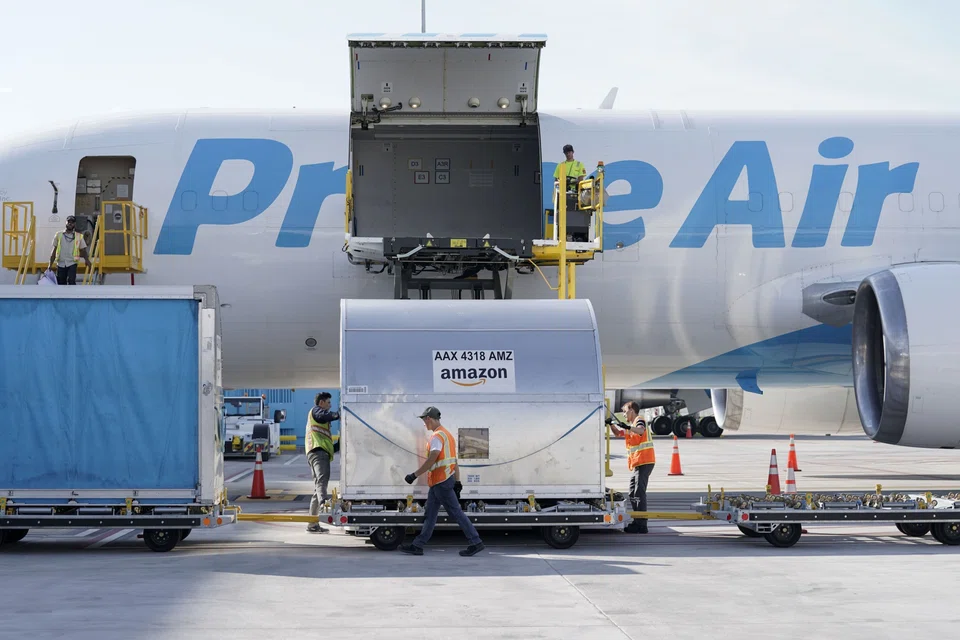
DeeperDive is a beta AI feature. Refer to full articles for the facts.
AMAZON.COM’S cargo airline is growing at the slowest pace since the start of the pandemic, the latest sign that the e-commerce giant is adjusting to slackening demand.
Amazon Air freighters averaged about 194 flights a day during a week earlier this month, up 3.8 per cent from March, according to researchers with DePaul University’s Chaddick Institute for Metropolitan Development. That’s the smallest increase in the institute’s periodic snapshots, compiled roughly once every 6 months since May 2020.
“Amazon is making significant adjustments,” Joseph Schwieterman, the Chicago-based institute’s director, said in an interview. “The company apparently was overly optimistic about its need to grow its supply chain so rapidly at the height of the pandemic.”
The world’s largest online retailer entered this year with too many workers and facilities as consumers returned to normal shopping habits. Amazon has shuttered, delayed or abandoned plans for dozens of warehouses in the US and Europe, Bloomberg reported earlier this month. The company reduced its workforce - primarily through attrition, Amazon says - by almost 100,000 people between March and June, the biggest quarterly decline in its history.
The company didn’t immediately respond to a request for comment. The shares fell 2.3 per cent to US$121.85 at 1.37 pm in New York.
Amazon Air, which relies on pilots from a handful of partner carriers, flies packaged items en route to customers. That operation grew rapidly in the last few years, tacking on new airport hubs, leasing and purchasing more aircraft. It even contemplated acquiring bigger long-haul jets to import goods directly from Asia.
Navigate Asia in
a new global order
Get the insights delivered to your inbox.
FedEx shocked investors last week after withdrawing its annual earnings forecast and saying preliminary results for the quarter fell short of expectations, sending shares of the package-delivery giant tumbling. Analysts subsequently said some of the company’s woes were self-inflicted and weren’t solely the result of slowing consumer demand.
Amazon Air began flying to Las Vegas and El Paso, Texas, recently, Schwieterman said, and has continued to grow in Europe, where it relies on hubs in Milan and Leipzig, Germany. Amazon also charters flight on planes operated by its partners but not branded “Amazon Air”, Schwieterman said. The number of those flights, which can be difficult to assess, appears little changed since March, he said.
Schwieterman said the Seattle-based company has been increasing flight activity from its US$1.5 billion hub at Cincinnati/Northern Kentucky International Airport, since expanding operations last year. A cluster of overnight flights, departing between midnight and 6.00 am, seem designed to enable next-day delivery. The hub is small compared with major facilities operated by FedEx and United Parcel Service, but serves a similar function, facilitating connections to other flights within Amazon’s network.


“Amazon wants CVG to be the nerve centre of its overnight shipping system,” Schwieterman said, using the airport’s abbreviation. BLOOMBERG
Decoding Asia newsletter: your guide to navigating Asia in a new global order. Sign up here to get Decoding Asia newsletter. Delivered to your inbox. Free.
Share with us your feedback on BT's products and services
TRENDING NOW

‘Boring’ is the new black: The stars are aligning for a Singapore stock market revival

Near sell-out launches in March boost developer sales to 1,300 units after four slow months

China pips the US if Asean is forced to choose, but analysts warn against reading it like a sports result

Genting Singapore’s Lim Kok Thay receives S$7.5 million pay package for FY2025

