AstraZeneca held talks with Bristol Myers Squibb on US$400 billion megadeal: source
The deal could result in one of the world’s largest pharmaceutical companies
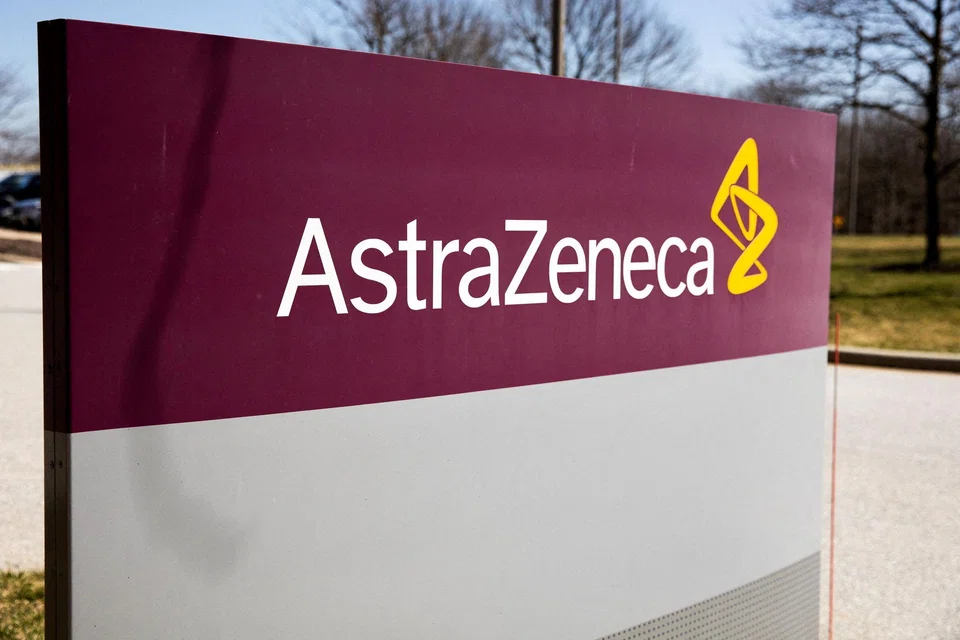
UK DRUGMAKER AstraZeneca and Bristol Myers Squibb held preliminary discussions about a possible combination that would create one of the world’s biggest pharmaceutical companies with a combined value of nearly US$400 billion, according to a person familiar with the situation.
The Financial Times first reported the news. Reuters could not determine whether the talks are ongoing.
A potential deal would carry regulatory risk because of concerns about how it might be assessed by US antitrust authorities under US President Donald Trump’s administration, the person said on condition of anonymity. Trump has been focusing on domestic investments in the sector and expanding US manufacturing.
While AstraZeneca in 2025 unveiled plans for a direct US listing, aiming to capitalise on stronger valuations in the US market, such a deal would mean a UK-based company would effectively be buying a major U.S. pharmaceutical champion.
AstraZeneca declined to comment, while Bristol Myers did not immediately respond to a Reuters request for comment.
Strong growth in cancer drugs
AstraZeneca’s share price has more than quadrupled during Pascal Soriot’s 14-year tenure as CEO, soaring above the wider FTSE 100 index and main British rival GSK.
Second-quarter results on Jul 27 showed strong demand for cancer and rare-disease drugs continues to drive AstraZeneca’s growth. Cancer treatments accounted for about US$25 billion in 2025 sales, nearly half of the total, followed by cardiovascular, renal and metabolism treatments worth about US$12 billion.
Oncology drugs accounted for more than 40 per cent of Bristol Myers’ overall sales in the first six months of 2026, and the two companies’ cancer immunotherapies directly compete.
“I would expect a Trump FTC to scrutinise the merger, and if there are significant overlaps in certain drugs and late-stage pipeline overlaps, it would require meaningful divestitures,” said Andre Barlow, an antitrust lawyer with DBM Law Group, referring to the US Federal Trade Commission.
Bristol Myers has been doing smaller deals to gain new drugs as it faces declining sales of older medicines, some of which will soon face generic competition.
In 2019, Bristol Myers bought Celgene for about US$80 billion, acquiring its flagship blood cancer drug Revlimid, which became Bristol’s top-selling product. Revlimid has already lost patent protection and its current top sellers – cancer immunotherapy Opdivo and blood thinner Eliquis – could lose patent protection by 2028.
Barlow noted that in the deal for Celgene, the Trump FTC required Celgene to sell psoriasis treatment Otezla, a major divestiture at US$13.4 billion.
“There is bipartisan support to scrutinise pharma deals, so I would imagine that even the Trump FTC would ask the broader questions relating to bundling of products and a lack of future innovation, in addition to scrutinising all direct overlaps,” he said.
Bristol Myers raised its full-year revenue and profit forecast on Jul 30 as strong sales of Eliquis and newer medicines pushed second-quarter results well past analysts’ estimates.
Its promising newer drugs and pipeline assets include an experimental blood thinner milvexian, anemia treatment Reblozyl and heart drug Camzyos.
Consideration of the potential deal comes about a dozen years after AstraZeneca fended off a takeover attempt by larger US rival Pfizer.
Large pharmaceutical deals have been rare in recent years, in part due to concerns about antitrust and US pressure to keep drug prices low. Besides the Bristol Myers and Celgene deal, AbbVie bought Allergan in 2020 and Takeda and Shire combined in 2019. REUTERS
Decoding Asia newsletter: your guide to navigating Asia in a new global order. Sign up here to get Decoding Asia newsletter. Delivered to your inbox. Free.
Share with us your feedback on BT's products and services