Bain and KKR said to vie for Japanese govt support in Toshiba chip bids
San Francisco
KKR & Co and Bain Capital LP are vying for support from Japan's government in their efforts to acquire Toshiba Corp's semiconductor division as the Japanese company's board meets on Thursday to consider bids, according to sources.
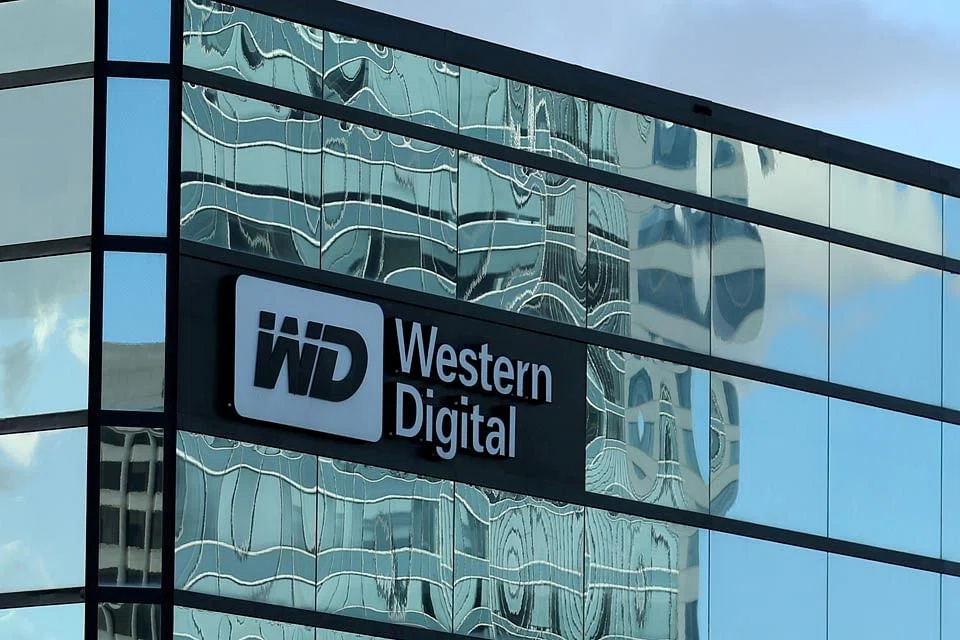
The US private equity firms are competing for the backing of two state-supported funds, Innovation Network Corp of Japan and Development Bank of Japan, seen as essential in winning government approval for an acquisition, said the sources. Western Digital Corp, which jointly owns certain chip assets with Toshiba, has also had discussions with both firms, the sources said.
Nothing has been finalised in the alliances and the state-backed funds may choose which bid to support after Toshiba's board picks a preferred acquirer, the sources said. US chipmaker Broadcom Ltd is offering about 2.2 trillion yen (S$28 billion) for the business, more than either of the PE firms, though price will not be the only factor in deciding a winner.
Time is running out for Toshiba to sell the chips unit and raise cash needed to stabilise its finances after a disastrous foray into the nuclear power business. The company needs to complete the sale by March 2018, the end of its fiscal year, or risk having its shares delisted from the Tokyo Stock Exchange.
Toshiba's ability to meet that deadline has been jeopardised by clashes with Western Digital, which has objected to the chip unit auction and filed for an injunction to block the sale in California court. The Japanese company said it plans to proceed despite the legal action.
Kaori Hiraki, a spokeswoman for Toshiba, said: "We are proceeding with selecting the preferred bidder by the second half of June, and will seek to close the definitive agreement by June 28." KKR and Bain declined to comment.
The bidding process is complicated by the conflicting goals among Toshiba, Western Digital and the Japanese government, which wants to keep the memory technology from foreign hands, especially China. The chip unit is the world's second-largest maker of flash memory chips, components that store data in everything from the iPhone to super computers.
As at a May 19 deadline for second-round offers, Broadcom and the KKR group had emerged as the two leading bidders, sources said at the time. Broadcom, based in San Jose, California, would face simpler regulatory reviews than some rivals because it's not in the memory chip business now, said a source.
Western Digital CEO Steve Milligan travelled to Tokyo to present a revised offer and seek an alliance with the Japanese funds. Western Digital is planning to issue straight debt in an offer that would total 2 trillion yen, a source has said, but Toshiba is sceptical of the bid because of its financing and conditions. Western, which is conceding that it won't be able to acquire the operation on its own, is seeking to influence the outcome and prevent the chip business from being sold to a competitor such as Broadcom.
Western Digital filed for its injunction to block the sale on Thursday morning in Tokyo, the day of Toshiba's board meeting, requesting the auction be put on hold while it pursues arbitration claims against Toshiba. "Toshiba has no right to offer to transfer its joint venture interests to a third party and has no ability to enter into any transaction with a third party without obtaining our consent," Western Digital said in a statement.
Separately, Mr Milligan wrote a letter to Toshiba's board explaining the court case. "Toshiba Corporation has blocked our efforts, and ignored and disrespected our contractual rights. In doing so, it has created unnecessary - and potentially catastrophic - risk of harm to Toshiba Corporation's stakeholders," he wrote. Western Digital's aggressive steps risk alienating the Japanese government as it seeks to rescue Toshiba, said a source.
Taiwan's Hon Hai Precision Industry Co has also submitted a bid for the chips unit, but Toshiba is reluctant to sell to the company because of its close ties to China. Founder Terry Gou has complained about the unfair process and vowed to press his case.
For potential chipmaker buyers, control of Toshiba's output of memory chips is crucial in making any investment worthwhile. And investment firms need to guarantee that they have enough capital available to continue to upgrade Toshiba's plants and production in an industry where billions of dollars a year are needed to stay competitive. BLOOMBERG