Bayer, J&J's blood-thinning drug Xarelto fails 'Mariner' trial
 Add BT as a preferred source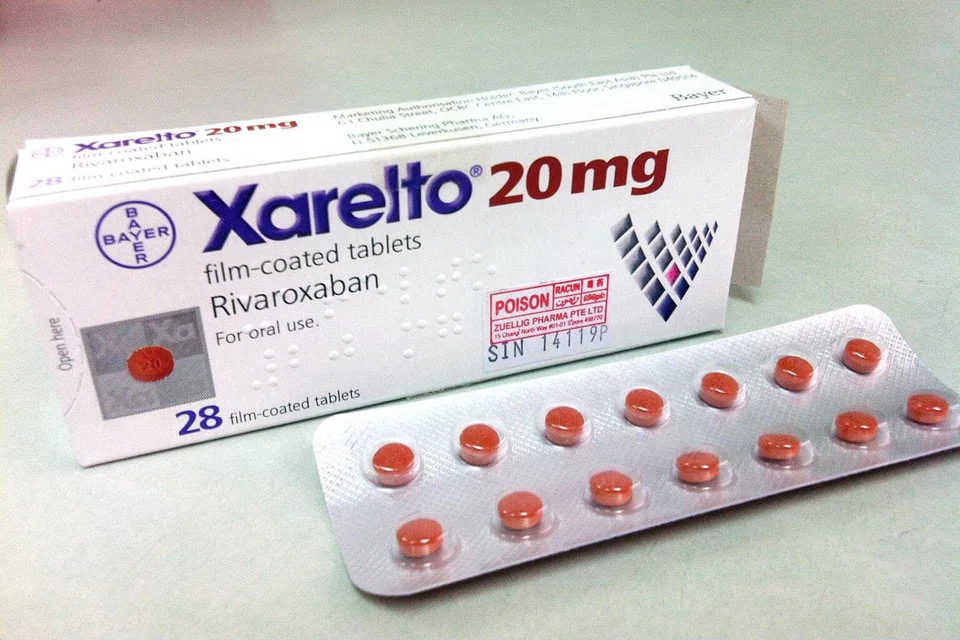
[LOS ANGELES] Bayer AG and Johnson & Johnson's blood-thinning drug Xarelto didn't prevent clotting in high-risk patients after they were released from the hospital, a setback for one of the manufacturers' best-selling drugs.
About 12,000 medically ill patients at increased risk of blood clotting took part in the trial, known as the Mariner study. The results were presented at the European Society of Cardiology Congress in Munich, and published in the New England Journal of Medicine.
Bayer reported 3.3 billion euros (S$5.05 billion) in Xarelto sales last year, and listed the drug as one of its key growth products in its 2017 annual report. Xarelto was approved in Europe in 2008 and the US three years later to prevent blood clots in patients undergoing hip and knee surgery. It was later expanded to prevent strokes and clots in the legs and lungs.
The results won't affect the drug's sales forecasts, nor do they have any influence on other applications of the drug, Bayer spokesman Richard Breum said. Bayer has the rights to the drug outside the US, while J&J sells it in the US.
J&J said the company remains confident in Xarelto's prospects. While Xarelto didn't reduce blood-clot related deaths in the study, it did "significantly reduce" clotting with "consistent and favorable safety," it said in an emailed statement.
BLOOMBERG
Share with us your feedback on BT's products and services