

Bean shortage drives up cost of even the cheapest cup of coffee
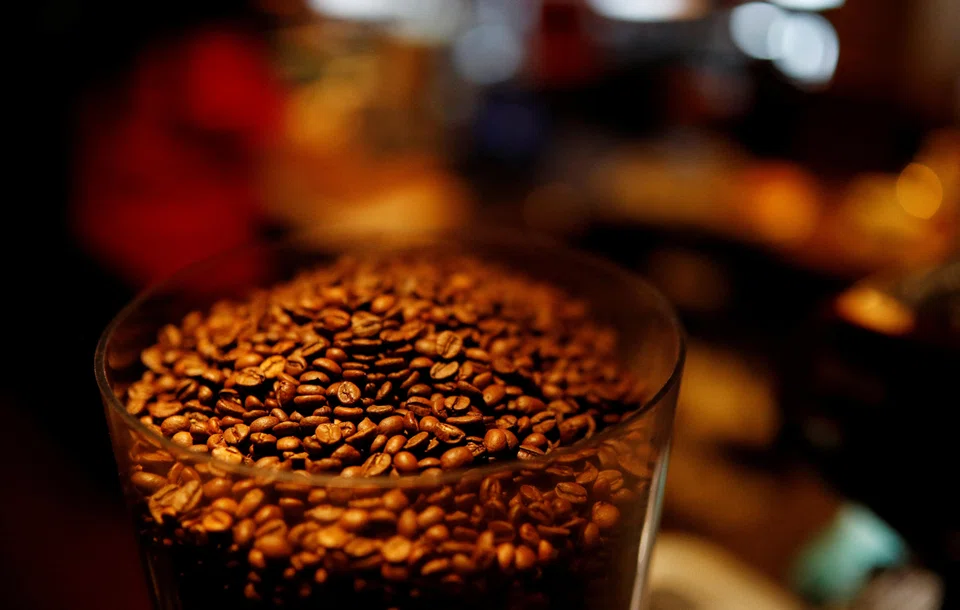
THE global cost of living crunch has pushed coffee drinkers to get their fix from cheaper brews. But a shortage of robusta beans is making it increasingly difficult to find a budget-friendly cup.
While many coffee lovers prefer the high-quality arabica beans sold in cafes, robusta is normally less expensive because the tree is hardier and requires less care, making it easier to produce in large quantities. The variety is often used in instant coffee, espressos and ground blends sold at supermarkets, which have experienced a comeback as cash-strapped consumers seek alternatives.
Key growers, however, are finding it difficult to keep up with the surge in demand, with wholesale prices last week hitting the highest level in nearly 12 years.
For consumers in Europe’s largest coffee market, Germany, the squeeze is having a noticeable effect on retail costs, with instant varieties going for nearly 20 per cent more than a year ago, even as inflation for coffee beans has lost momentum. US instant coffee price-growth also slowed less than the roasted version in April.
The odds of global robusta shortages easing any time soon look bleak. Vietnam – the world’s largest producer – probably collected its smallest harvest in four years, after farmers focused on planting more profitable crops such as avocados and durians to cope with booming fertiliser costs in the aftermath of Russia’s invasion of Ukraine.
Brazil, the second-largest grower of the variety, has seen its crops hurt by drought, and there are also concerns that Indonesia’s output could suffer following heavy rains.
Despite those hurdles, more robusta beans were exported globally in the first six months of the current season compared to the last three years – just not fast enough to keep up with higher needs. Shipments between October and March were about 4 per cent higher than the same period in 2021-22, according to the International Coffee Organization.
“There’s been so much of a demand shift away from higher-priced coffee that even the market isn’t even being satisfied by higher robusta exports,” said Judith Ganes, who runs a consultancy focused on commodities such as coffee in New York.
The switch was first observed among roasters who increased the amount of robusta used in commercial blends to offset higher arabica costs and energy bills. Then, double-digit inflation in many parts of the world saw grocery bills surge to the highest in decades, forcing some consumers to trade down to cheaper options.

As a result, robusta-heavy instant coffee is growing faster than other industry segments, according to Aguinaldo Lima of the Brazilian Instant Coffee Industry Association, whose country is the world’s top soluble coffee producer. And leading companies elsewhere, such as Nestle and India’s Tata Coffee, have also reported stronger demand for instant coffee in their latest financial reports.
While robusta beans are known to be significantly more bitter than the arabica variety – in part due to higher levels of caffeine – Vietnam and Indonesia have both improved the quality of their beans, making it easier for roasters to increase the variety in blends without drastically affecting the taste, said Ganes.
Consumers might discover “very interesting flavours” by drinking robustas, even if the taste is different from arabica coffee, said Daniel Munari, a barista who also runs Royalty Quality Cafe in southern Brazil.
“There’s sweetness and acidity, which are a great addition and give balance to the drink,” he said. BLOOMBERG
Decoding Asia newsletter: your guide to navigating Asia in a new global order. Sign up here to get Decoding Asia newsletter. Delivered to your inbox. Free.
Share with us your feedback on BT's products and services
TRENDING NOW

One-third of Singapore-listed firms at risk in severe AI downturn: MAS

‘Not done’: Keppel CEO Loh Chin Hua transformed the group, but says there’s ‘still a lot to do’

He built the Vingroup empire. Now South-east Asia’s richest man is handing some key roles to his sons
‘We don’t want to stay as we are’: CEO Patrick Ng builds a more resilient Huationg

