

Beauty retailer Sephora cuts China jobs as market slumps
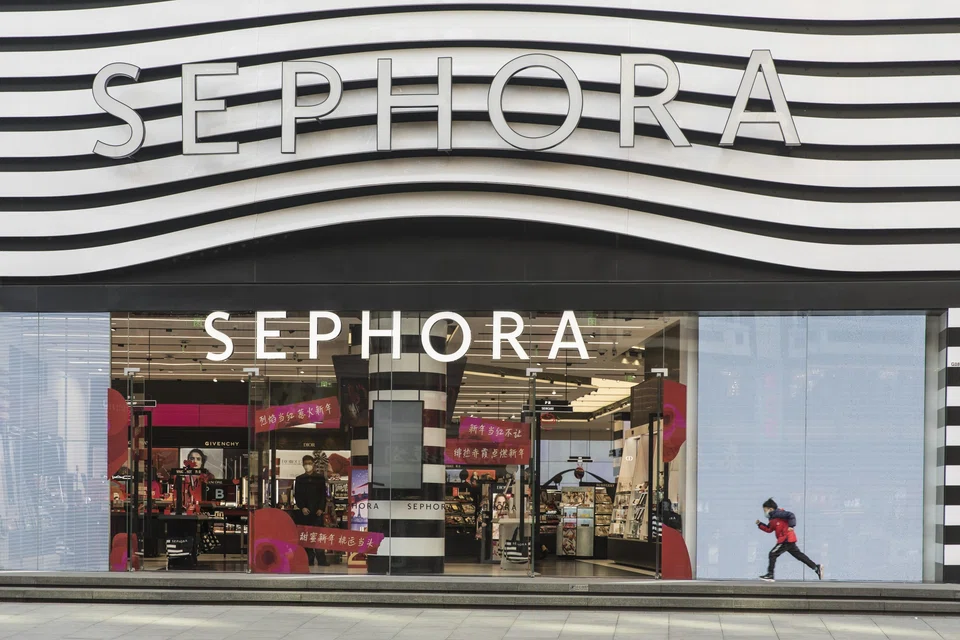
LVMH-owned beauty retailer Sephora is cutting its workforce in China, the company said on Wednesday (Aug 21), as consumers curb their spending on creams and make-up in the world’s second-largest economy.
Sephora, which sells largely high-end (or “prestige”) perfumes and make-up, previously had around 4,000 employees in the country, which has been one of the world’s fastest growing beauty markets in recent years.
But high unemployment and a slump in the property market have hit consumer confidence, with leading cosmetics firms all warning in recent weeks of a significant impact to their China sales.
The operation would impact less than 3 per cent of the workforce, a company spokesperson said, equivalent to fewer than 120 jobs.
“In response to the challenging market environment and to ensure our future growth in China, Sephora China is currently streamlining our organisational structure in our head office to ensure we have the right capabilities for long-term sustainable growth,” the company said in a statement.
Sephora has around 350 stores in more than 100 cities in China and also sells products online.




Bloomberg had earlier reported the firm was cutting hundreds of jobs, or around 10 per cent of its China staff, both in offices and stores.
The retailer is one of French luxury giant LVMH’s fastest growing businesses in other markets but it has not performed so well in China, where a large share of beauty products are bought on ecommerce platforms. REUTERS
Decoding Asia newsletter: your guide to navigating Asia in a new global order. Sign up here to get Decoding Asia newsletter. Delivered to your inbox. Free.
Share with us your feedback on BT's products and services
TRENDING NOW

Analysts cut DBS target price on lower 2027 earnings, but see buying opportunity after share price slide

China Investment Corp, PGIM’s 50% stake in Nex mall up for sale; asking about S$1.2 billion

Nvidia CEO Jensen Huang drops from world’s top 10 richest after chips sell-off

OCBC wealth clients turn defensive amid market volatility as Q3 profit rises 3%

