

Biogen soars as Alzheimer's approval cheers investors
The therapy drug is first one cleared by FDA since 2003; scepticism remains on mixed results in clinical trials
 Add BT as a preferred source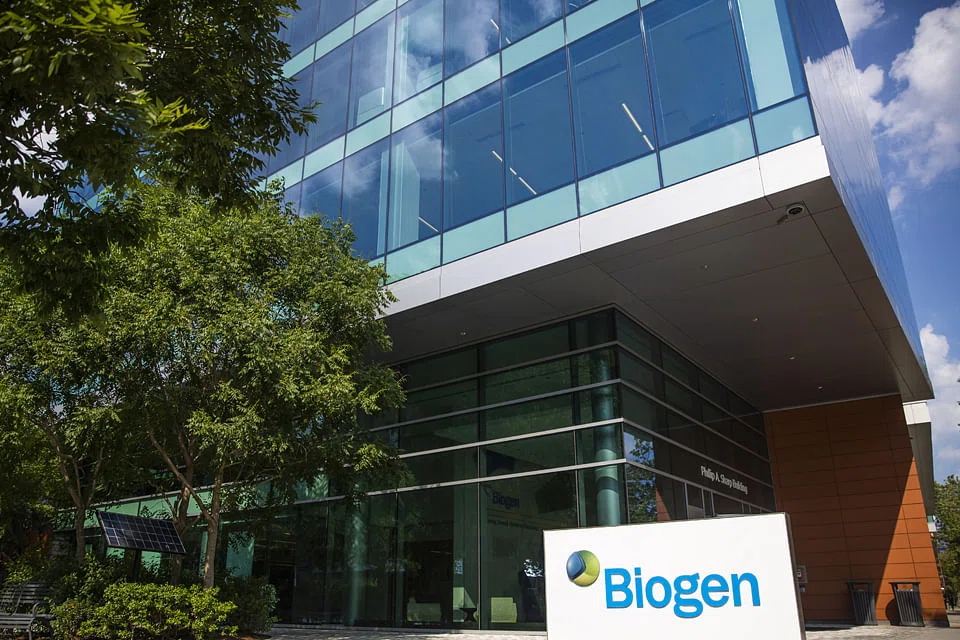
DeeperDive is a beta AI feature. Refer to full articles for the facts.
New Jersey
BIOGEN shares surged after its controversial Alzheimer's disease therapy was approved by US regulators, a landmark decision that stands to dramatically change treatment for the debilitating brain condition.
The stock gained as much as 64 per cent shortly after the news of the clearance, triggering a brief volatility halt. It ended up 38 per cent at US$395.85, the biggest single-day gain since drug officials first said that the treatment appeared effective in November.
The Food and Drug Administration (FDA) granted the antibody therapy an accelerated approval, which means Biogen will need to conduct more research to establish its benefits for it to remain on the market.
The approval is the first clearance of an Alzheimer's therapy by the FDA since 2003, and one of the agency's most consequential decisions in years. It's also welcome news for millions of people with Alzheimer's disease and their families. Patient advocacy groups have supported the drug despite scepticism from some scientists about its mixed record in clinical trials.
The FDA said in a statement on June 7 that it was allowing the drug on the market because it reduces amyloid, a sticky, harmful protein that clogs the brains of Alzheimer's patients. Amyloid's role in Alzheimer's is debated, but numerous other drugs that target it are being developed by pharmaceutical companies.
Navigate Asia in
a new global order
Get the insights delivered to your inbox.
Some patients may have temporary swelling in areas of the brain that usually resolves over time without causing symptoms, and some may also have small spots of bleeding, according to the drug's label. In some cases, people with brain swelling may experience headache, confusion, dizziness, vision changes, or nausea.
Biogen plans to sell the therapy under the brand name Aduhelm. It will cost US$56,000 a year, the Cambridge, Massachusetts-based biotechnology company and its Tokyo-based partner, Eisai, said in a statement.
Japan's top government spokesperson Katsunobu Kato said on Tuesday that the country would review the drug in an appropriate manner.
Biogen and Eisai filed for approval for aducanumab in Japan last December. The decision will likely take a year, Jefferies analyst Stephen Barker said in an interview with Bloomberg. Under the agreement with Biogen, Eisai can book all sales of aducanumab in Japan and 80 per cent of potential profits.
US-traded shares of Eisai closed up 56 per cent at US$116.03. Shares rose by the daily limit of 19 per cent on Tuesday after being untraded all day in Tokyo amid a glut of bids. The stock has risen 25 per cent so far this year.
In an interview, Biogen CEO Michel Vounatsos said that the company had already produced millions of vials of the drug and that it would hit the market within 10 days to two weeks, once the company had done things like printed labels. Over 900 infusion sites in the US are prepared to administer the drugs, he said.
By giving the treatment a broad label allowing it to be used for a wide swathe of Alzheimer's patients, and not just the very early-stage patients the drug was mostly studied on, "the FDA is basically empowering the physician to make the decision," who it is most appropriate for, Mr Vounatsos said.
Biogen found out about a month ago that the FDA was considering giving the drug an accelerated approval on the basis of the drug's ability to remove amyloid from the brain, research head Alfred Sandrock said in an interview. That led to labelling discussions.
Dr Sandrock said the company was still in talks with the FDA on details of the required confirmatory human trial and would provide details soon.
The long-awaited approval is certain to be scrutinised. Scientists are still furiously debating amyloid's role in the disease, and aducanumab's clinical trial results were decidedly mixed.
In one giant trial conducted by Biogen, the drug was ineffective overall. A second, similar study found that high doses of the drug slowed progression of the disease by a modest 22 per cent over 18 months.
Annual sales could peak at US$5 billion, analysts have said, providing a needed financial jolt to Biogen.
Other companies working on Alzheimer's therapies saw their shares soar.
Eli Lilly jumped as much as 16 per cent to a record high. Cassava Sciences surged as much as 19 per cent, while Annovis Bio rose as much as 31 per cent. The Nasdaq Biotechnology Index finished the day up 3.6 per cent.
Decoding Asia newsletter: your guide to navigating Asia in a new global order. Sign up here to get Decoding Asia newsletter. Delivered to your inbox. Free.
Share with us your feedback on BT's products and services
TRENDING NOW

Singaporeans can now buy record amount of yen per Singdollar

Beijing’s calculated silence on the Iran war

China pips the US if Asean is forced to choose, but analysts warn against reading it like a sports result

StarHub hands Ensign InfoSecurity control back to Temasek in S$115 million deal, books S$200 million gain

