

Black Friday: Store visits by US shoppers up 48%
 Add BT as a preferred source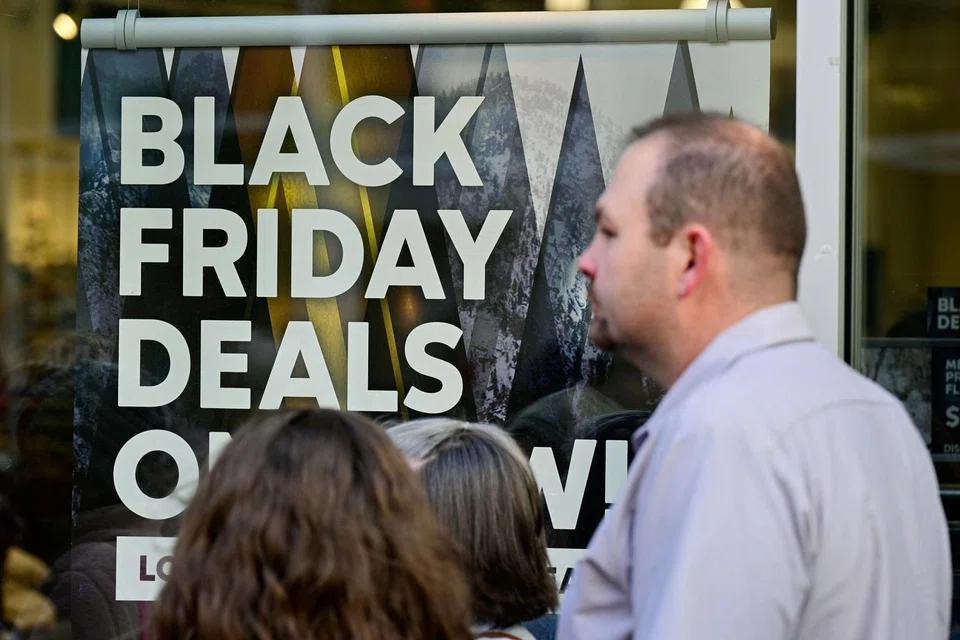
DeeperDive is a beta AI feature. Refer to full articles for the facts.
BLACK Friday, traditionally the busiest and most important day of the year for retailers, is in the books. While final results likely won't materialise until early 2022, there are some initial clues as to who is having the best holiday.
Among the early trends coming into focus are fewer promotions and thinner crowds compared with pre-pandemic Black Fridays. Demand has been brisk, however, and shopping appears to be more spread out than in the past. We'll take a look at the latest information here as it becomes available throughout the weekend (All time stamps reflect the US east coast):
Shoppers returned to stores on Black Friday this year but traffic remained well below pre-pandemic levels, according to Sensormatic Solutions.
Visits to stores and shopping centers climbed 48 per cent from a year ago while trailing 2019 traffic by 28 per cent, Sensormatic said in a report on Saturday.
One reason this year's gain wasn't larger is that retailers spread out traffic peaks by starting holiday deals early, said Brian Field, senior director of global retail consulting at Sensormatic. "Everybody started earlier and, most importantly, the shopper started earlier," he said. "Going back to pre-pandemic times, the holiday season very clearly started the week of Black Friday. You could bank on it."
During the holiday season as a whole this year, in-store visits are expected to lag 2019 levels by only 10 per cent to 15 per cent, said Sensormatic, a unit of Johnson Controls International. Despite Covid-19 concerns, research points to consumers prioritising in-store shopping to avoid potential shipping delays amid well publicised logjams in the global supply chain, Field said.
Navigate Asia in
a new global order
Get the insights delivered to your inbox.
"For the first time ever, Black Friday saw a reversal of the growth trend of past years," Vivek Pandya, lead analyst at Adobe Digital Insights, said in a report on US e-commerce trends.
Online spending last year on Black Friday totalled US$9 billion. This year, sales on Thanksgiving Day were flat at US$5.1 billion, and the sluggish two-day performance was a "sign that consumers started to shift their spending to earlier in the season, responding to promotions and deals from retailers that started in October," Adobe said.
Consumers were expected to spend US$4.5 billion to US$5.1 billion online on Saturday. Adobe predicted purchases of US$10.2 billion to US$11.3 billion on Nov 29, or Cyber Monday, which the firm said is set to be the biggest online shopping day of the year. Adobe reiterated its prediction of US$207 billion in consumer spending during the holiday season as a whole.
Black Friday spending is expected to reach between US$8.8 billion and US$9.2 billion, according to the latest tally from the Adobe Digital Economy Index. Consumers have spent US$6.6 billion as of 9 pm in New York, it said. Daily sales exceeded US$3 billion for 18 days this month, a record, compared with just five days at this point last year, Adobe said. Spending also surpassed US$2 billion on the other days, it added.
"Black Friday still remains a major online shopping day, but the surge in online shopping is coming from the less marketed days of the season," said Taylor Schreiner, director at Adobe Digital Insights, noting that shoppers started with their purchases since late October.
Toys and cooking items were the top sellers for the day, with shoppers still concerned about the pandemic, curbside pick-up has risen 78 per cent from two years ago, it added.
According to Adobe, electronics and video games dominated the list of top-selling products bought online. Items included televisions made by Samsung and Vizio, Oculus Quest 2 - Meta's virtual reality headset - and video game titles such as FIFA 22 from Electronic Arts and Ubisoft Entertainment's Far Cry 6. Most-purchased toys included Legos and Rainbocorns.
According to data from Salesforce.com, shoppers used buy-now-pay-later options on 8 per cent of all purchases in the past couple of days - up 31 per cent from the previous year. "Generally, because of rising costs, people are willing to pay more for a particular item," said Salesforce. "They want to buy early, but on the other hand, they are trying to be prudent with their budget."
After taking a year off, Santa has returned to Macy's in New York's Herald Square, the nation's biggest department store. But don't expect to sit on his lap.
Santaland, which opened Friday after being a virtual experience last year, is now reservation-only as a way to maintain a Covid-safe experience, said Kathy Hilt, division vice president at Macy's, who oversees the Herald Square location as well as other stores in the area. Reservations tend to sell out, she said, so families should book early.
"We also have reorganised the experience with Santa to make sure Santa and the guests are socially distant but still have the chance to interact with one another," said Hilt, a 31-year veteran with the company.
The thinking last year was that the lack of doorbuster deals would be a one-time thing. So much for that.
With Covid-19 still lingering - and a new variant emerging - retailers have largely eschewed offers that would require customers to pack into stores to get them. But that doesn't mean Black Friday sales have completely disappeared, noted Poonam Goyal, Bloomberg Intelligence retail analyst.
"What we don't have again is doorbusters," she said. "All the deals that are available in store are largely available online, which seems that you can go out if you want to enjoy the experience of Black Friday shopping but alternatively you can find everything still online from your home without stepping outside. I think online shopping will be a much bigger deal."
Macy's CEO Jeff Gennette said he doesn't see Black Friday foot traffic bouncing back to pre-pandemic levels this year, adding that traffic at stores remains below what it was in 2019. More of those who go in are actually making a purchase, however. Like the rest of the industry, staffing has been a challenge. "We've got some stores in great shape and some stores that are really lean," Gennette said in an interview last week. The department-store chain said earlier this month it would raise the minimum wage to US$15 an hour by May. Because of seasonal challenges, that pay boost has already gone into effect in more than 100 stores for the Christmas hiring season.
Hiring has improved,"but we still have some gaps and open jobs," he said. "We're mitigating that by offering spot bonuses or premium pay for weekends. We're offering our colleagues opportunity for overtime and working six days." Small Businesses Face Staffing Hurdles (12:01 a.m.) Small businesses are feeling "pretty optimistic" about the holiday season, said John Waldmann, chief executive officer of Homebase, a software company that helps small businesses manage their teams. But challenges still loom, particularly in regards to staffing, he said in a recent interview. BLOOMBERG
Decoding Asia newsletter: your guide to navigating Asia in a new global order. Sign up here to get Decoding Asia newsletter. Delivered to your inbox. Free.
Share with us your feedback on BT's products and services
TRENDING NOW
‘Boring’ is the new black: The stars are aligning for a Singapore stock market revival

Near sell-out launches in March boost developer sales to 1,300 units after four slow months

China pips the US if Asean is forced to choose, but analysts warn against reading it like a sports result

Genting Singapore’s Lim Kok Thay receives S$7.5 million pay package for FY2025

