

Brexit deal may actually mean less British cod for fish & chips
Some in the fishing sector say the UK gave away too much in the negotiations over fishing rights
London
SCOTTISH fisherman Peter Bruce hoped Brexit would allow him to catch more cod, one of Britain's favourite fish dishes. Instead, he is worried he will end up with less.
While Prime Minister Boris Johnson claimed last month's trade deal will let the UK regain control of its fishing waters by taking back 25 per cent of the European Union's rights over five years, many fishermen feel let down. They are upset that the share fell far below original demands and may even mean smaller amounts of some key catches.
Mr Bruce, who has fished the waters off north-east Scotland for decades, said: "One of the species we are most worried about is cod. We were hoping to get more quota. I'm sorry to say it's looking like we'll have less."
Although a tiny part of the economy, fishing was a key issue that held up trade talks and became symbolic after membership in Europe's single market precipitated its demise. The government says the deal will let Britain catch an extra £146 million (S$263.8 million) worth of fish, aiding an industry that has seen a big decline since the 70s.
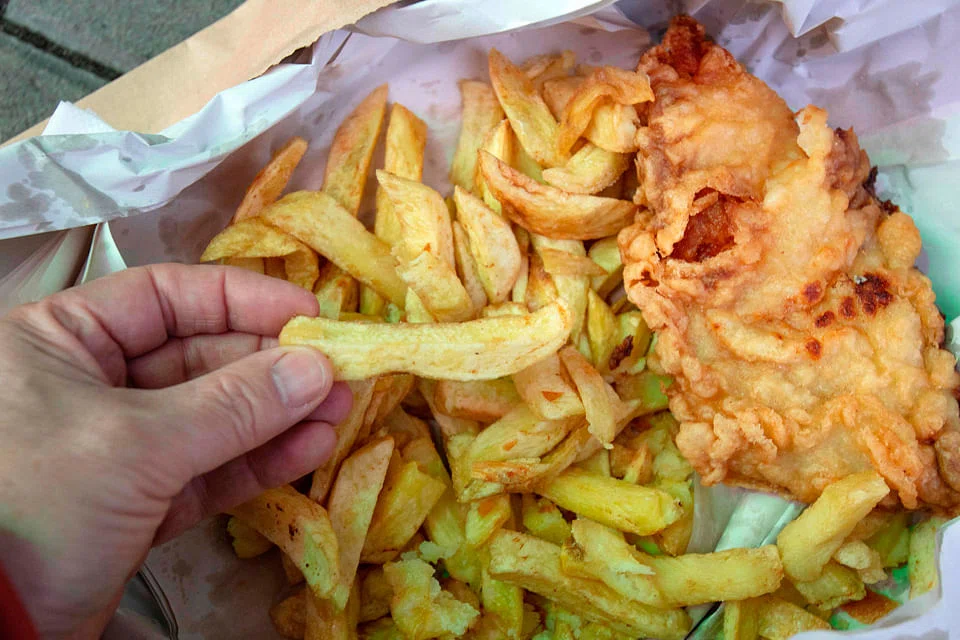
The accord will allow fleets to catch more mackerel and herring, but some fisherman could be left with smaller amounts of cod and haddock - favoured in the UK's iconic fish and chips dish.
The UK landed about 450 million kg of fish in 2019. Mr Johnson originally demanded an 80 per cent cut to EU rights in British waters, before giving up ground to get an agreement done. Britain has some of Europe's most fertile fishing areas, though it has had to share them with other nations.
The accord also means quota swapping - where rights to species are swapped between boats - may no longer be possible for UK fleets. This means the amount of cod they can catch in the North Sea will fall to 57 per cent, from 63.5 per cent, the Scottish government said. Much of the mackerel and herring caught by UK boats gets sold to the continent.
While quota swapping between individual countries will no longer be allowed, the UK and EU will hold separate talks over developing a new mechanism. It is still unclear what the outcome will be, and that means more uncertainty for fishermen.
Mr Bruce, who works out of Peterhead, Britain's biggest fishing port, said: "They've given away far too much. It's taking back control in name only."
The industry wanted Brexit to compensate for losses suffered over the past five decades, after the country traded its expansive fishing grounds for access to the common market, but that has not happened, said Scottish fisherman-turned-seafood entrepreneur Jimmy Buchan. There is also disappointment that foreign boats will still be able to catch within 19 km of British shores.
Rob Wing, who runs the Cornish Fishmonger, a wholesale merchant based in southwest England, said: "One of the gold nuggets we've just given away was not keeping foreign vessels outside of 19 km. The bulk of our industry could have been helped so significantly."
Merchants are also worried about sales to the continent, their top export market. New red tape is causing shipment delays, leaving perishable goods at risk of rotting at customs stations. Many hauliers are no longer taking mixed loads of seafood because of the complex paperwork involved.
Victoria Leigh-Pearson, sales director at salmon company John Ross Jr, has a shipment to Europe delayed for six days due to customs holdups. She said: "You need a PhD in exporting to fit in with this. Food is being wasted because of this."
Some British vessels have even resorted to landing their catch in Denmark to make the process easier, cutting out business for British processors, said James Withers, chief executive officer of industry group Scotland Food & Drink.
The increased paperwork also means added costs, which risks making UK businesses - especially the smaller ones - less competitive, said Mr Buchan, who is also chief executive of the Scottish Seafood Association.
The deal obviously brings benefits too. It will let UK fleets land more overall, with extra volumes that should benefit processors - the middlemen between fishermen and retailers, Mr Wing said.
The government has pledged a £100-million pound package to help rebuild fleets, ageing infrastructure and to expand the processing sector's capacity to handle the extra catch.
Many are also happy to do away with some of the restrictive regulations in the EU, such as having to bring all fish caught into land.
The key questions now are how quickly the industry can build new vessels and upgrade ports to take advantage of the new deal, and what the future holds in 51/2 years.
Mr Johnson has suggested that better terms can be sought in annual negotiations once the phasing-in period is over, though both the UK and EU would be able to use retaliatory tariffs if they disagree. Many in the industry doubt that the government will address the fishing industry's concerns when new negotiations start, instead focusing on sectors with a bigger economic impact.
Barrie Deas, chief executive of the National Federation of Fishermen's Organisations, said: "Despite that high political profile, we didn't succeed to move anything like the distance we should have moved. There is a great deal of scepticism now within the industry that 2025 or 2026 will be any different." BLOOMBERG
TRENDING NOW

He built the Vingroup empire. Now South-east Asia’s richest man is handing some key roles to his sons
China’s Pinglu Canal likely to benefit Singapore, other South-east Asia ports in the long term
Suntec Reit to increase Singapore focus, sell three Australia properties
Despite the de-dollarisation debate, demand for dollar liquidity in Asia is growing

