

BTS, the K-pop supergroup that's changed the music business
BTS is everywhere. Their branding prowess is undeniable.
 Add BT as a preferred source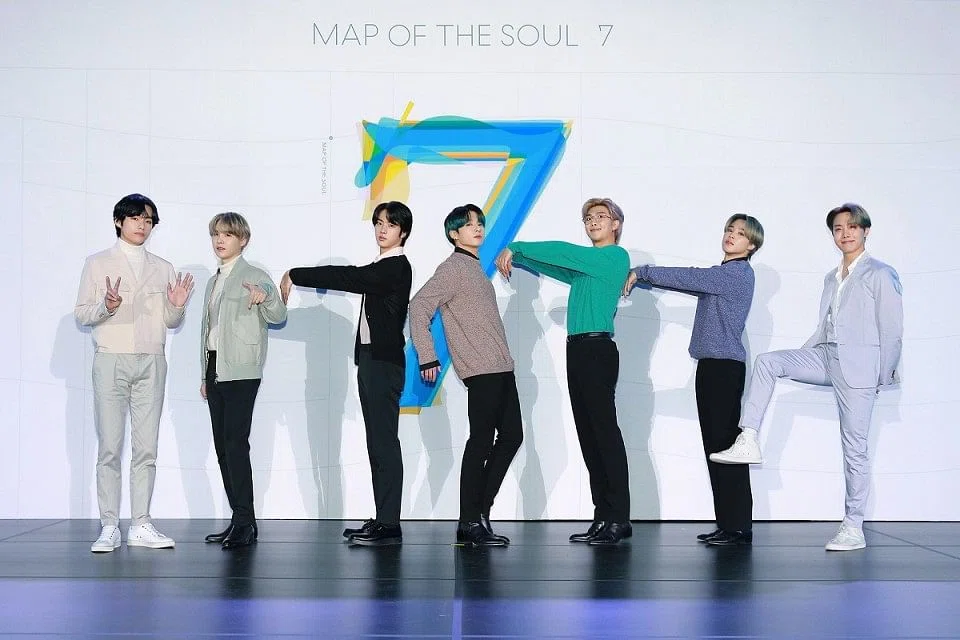
IN one photo for their album Map of the Soul: 7, the seven members of the South Korean supergroup BTS, or the Bangtan Boys, are cloaked in feathers, obscured by an ominous cloud of darkness. Other photos show them dressed in all white and in neutral tones, posing in the midst of a sumptuous feast in a shadowy room.
These images are a sharp detour from the colourful, Wes Anderson-esque aesthetic of their previous album, Map of the Soul: Persona, but that wasn't a shock to fans: The Bangtan Boys' public image, one that doesn't rely on traditional forms of Western masculinity, is constantly evolving, as is their music.
Fans will tell you that the Korean supergroup's discography, once heavily inspired by hip-hop, belongs to no genre. What defines BTS - what sets them apart in the eyes of fans - is their emotional honesty, expressed through their lyrics, press interviews, and personal vlogs. Theirs is an underdog story, where they managed to surpass the odds to become one of the highest-earning K-pop acts and the unofficial face of Korean music worldwide.
TRENDING NOW

Singapore developer in limbo after Timor-Leste scraps major township project
On the board but frozen out: The Taib family feud tearing Sarawak construction giant apart

MAS to remove mandatory financial advice for complex products for most retail investors

That ‘cheap’ Malaysia condo could cost Singapore buyers far more than they think

