China sets duties on Australia wine for 5 years as ties sour
 Add BT as a preferred source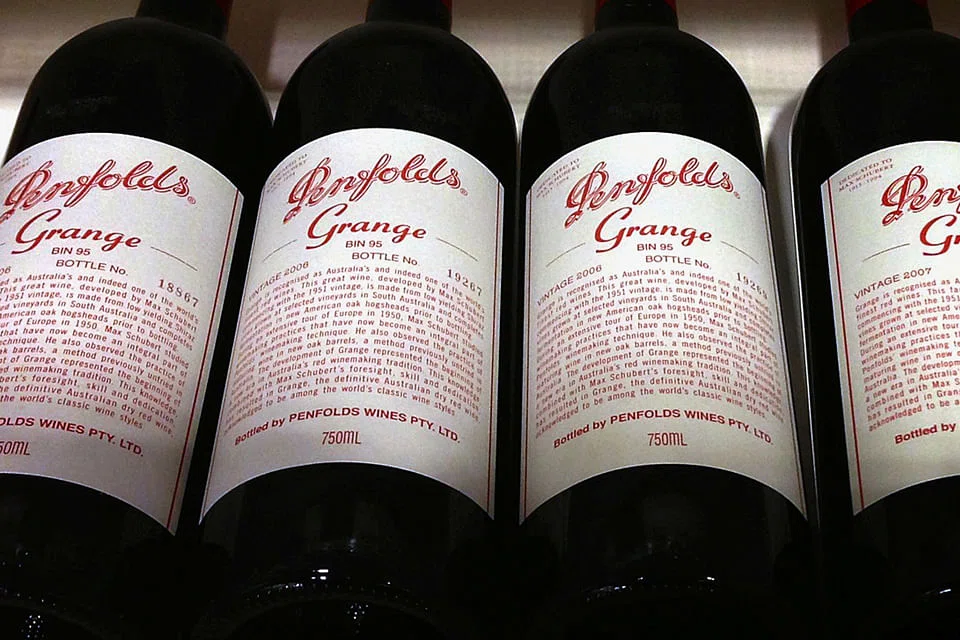
DeeperDive is a beta AI feature. Refer to full articles for the facts.
Beijing
CHINA will impose tariffs of more than 200 per cent on Australian wine for five years, formalising curbs that have been in place for months amid an increasingly fraught relationship with Canberra.
Imports of Australian wine products will incur anti-dumping levies of between 116.2 per cent and 218.4 per cent with effect from
March 28, the Chinese commerce ministry said in a final ruling on Friday. Duties on Treasury Wine Estates, Australia's largest listed winemaker best known for its Penfolds brand, are set at 175.6 per cent.
The top commodities buyer introduced the interim tariffs in November after it launched investigations into Australian wine, claiming that the product had been subsidised and sold under market value. That has been rejected by the industry body and the Australian government, who said it could challenge Beijing at the World Trade Organization (WTO) similar to the action taken on barley.
"I believe we will recommend that we go to the WTO," Australian Grape & Wine chief executive Tony Battaglene said on Friday before the release of the final tariff announcement. "Quite clearly, barley's gone, and we don't believe we have a case to answer, so it's logical for us to go down that route."
Navigate Asia in
a new global order
Get the insights delivered to your inbox.
The latest move comes after almost a full year of one-sided trade reprisals volleyed by China at Australia that has hit a range of commodities from coal to beef and lobster. Ties have frayed since 2018, when Canberra barred Huawei Technologies from building its 5G network, and went into free fall last year as leaders called for an independent probe into the origins of Covid-19 pandemic that first emerged in Wuhan city.
Dan Tehan, the Australian minister for trade, tourism and investment, described the tariffs as "extremely disappointing and completely unjustifiable".
He told reporters on Saturday that the decision makes it "hard for us to continue to work with the Chinese government to ensure the complementarity between our two economies."
While the final ruling from China also featured an anti-subsidy tariff of 6.3 per cent to 6.4 per cent, the ministry decided not to impose it in addition to the anti-dumping duties to avoid double taxation.
China was the top buyer of Australian wine before the tariffs, spending close to US$1 billion in 2019 and accounting for 40 per cent of winemakers' shipments from Down Under.
The duties imposed in November effectively shut access to its most prized market, though strong European sales countered the slump in China. BLOOMBERG
Decoding Asia newsletter: your guide to navigating Asia in a new global order. Sign up here to get Decoding Asia newsletter. Delivered to your inbox. Free.
Share with us your feedback on BT's products and services