

China’s Singles Day shopping spree enters final stretch
 Add BT as a preferred source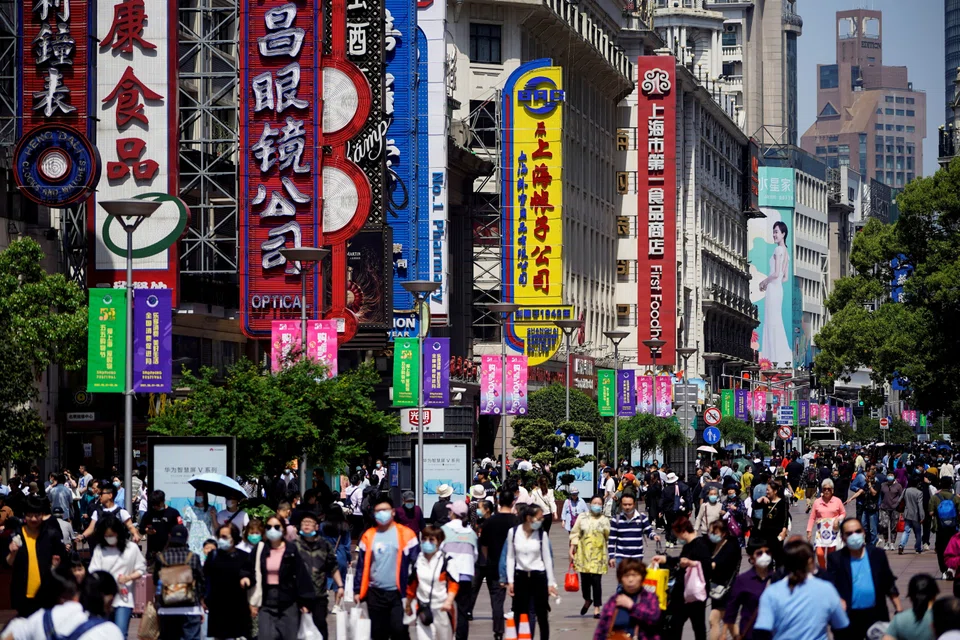
CHINA’S Singles Day shopping bonanza entered its final stretch Friday, with all eyes on whether sales can top a record one trillion yuan (S$193.6 billion) despite the country’s struggling economy.
Conceived by technology giant Alibaba, the informal holiday’s title riffs on a tongue-in-cheek celebration of singlehood inspired by the four ones – “11/11” – that denote its date of Nov 11.
It has grown to encompass much of China’s retail sector – including traditional brick-and-mortar stores, second-hand sales platforms and even rival shopping giant JD.com – with merchants offering varying levels of discounts starting in late October.
The combined gross value of products sold by Alibaba and JD.com this year “may surpass a trillion yuan,” Xiaofeng Wang, principal analyst at research firm Forrester, said in a note – up from the total of 965 billion yuan raked in at last year’s event.
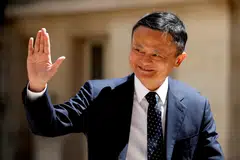
Once a festival of frenzied consumption led by Alibaba’s effervescent founder Jack Ma, Singles Day has been more muted in recent years as Beijing cracks down on online platforms.
Last year’s holiday was virtually ignored by state-controlled news outlets with a host of other events competing for shoppers’ wallets. Economic strain
The mood has been dampened further this year as Beijing persists with a strict zero-Covid strategy that has hammered business confidence and chipped away at consumer demand. The holiday, conceived in in 2009, has previously lured throngs of Chinese influencers alongside Western celebrities including Kim Kardashian and Taylor Swift, drawing heavy coverage in both domestic and international media.
This time around, a series of scandals and a campaign against tax evasion have lowered expectations of celebrity endorsements, with influential Chinese live-streamer Viya disappearing from social media late last year in the wake of a tax probe.
Alibaba said last week the event could “make a big difference” for retailers struggling with supply-chain disruptions and inflation this year, including a slew of foreign brands.


Businesses and consumers alike have been laid low by China’s stringent Covid prevention policies, which see officials wield snap lockdowns, mass testing and lengthy quarantines in response to a handful of cases.
The country is the last major economy wedded to a strategy of extinguishing new outbreaks as they occur.
State media reported on Thursday that top leaders had again vowed to stick “unswervingly” to the policy. AFP
Decoding Asia newsletter: your guide to navigating Asia in a new global order. Sign up here to get Decoding Asia newsletter. Delivered to your inbox. Free.
Share with us your feedback on BT's products and services
TRENDING NOW

Shanda co-founder sells Tanglin Hill bungalow for S$76 million

Nearly half of Apac’s wealthy expect market crash or correction, plan to rotate to cash: study
Yeo’s, Tiger Beer and now Gardenia – flight of food manufacturing from Singapore might be just as planned
Jumbo Seafood to close flagship East Coast Seafood Centre outlet on Sep 30

