

Eisai wins Chinese approval for Its Alzheimer’s drug Leqembi
 Add BT as a preferred source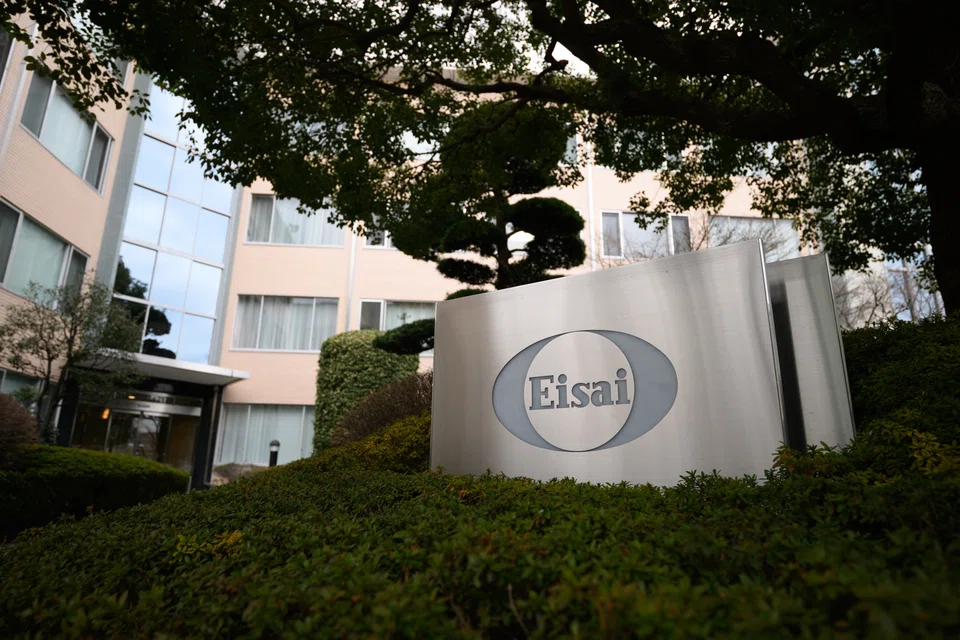
EISAI’S breakthrough therapy for Alzheimer’s disease has been cleared by regulators in China, giving the drugmaker a chance to tap growing demand for medicines to treat the debilitating condition in a rapidly aging population.
Eisai and partner Biogen are preparing to start sales as soon as July, the companies said in a statement on Tuesday (Jan 9).
Leqembi’s clearance in China, where about 10 million people suffer from the mind-robbing disease, came after the drugmakers gained approvals in the US and Japan in 2023. They’re also seeking clearance to sell the drug in other markets, including Europe.
Eisai set Leqembi’s price at US$26,500 a year in the US, while it’s estimated to cost 2.98 million yuan (S$55,440) annually in Japan. The company forecasts revenue to reach ¥1 trillion in fiscal 2030.
Beijing has been accelerating the approval of new medicines over the years, shortening the gap between when life-saving medicines are made available in the world’s second-largest pharmaceutical market and other developed countries.
While the approval grants Eisai access to what’s arguably the world’s biggest concentration of Alzheimer’s disease patients, many hurdles remain. Diagnosis rates for the leading cause of dementia remain low and costly in China. The nation’s health authorities have been raising awareness about cognitive impairment among the country’s swelling ranks of elderly people and encouraging early screening.


Meanwhile, insurance coverage isn’t automatic with new drug approvals, meaning out-of-pocket expenses for innovative medicines can go well beyond the means of many Chinese families. The state medical insurance program that the majority of Chinese people rely on only reimburses for newly approved therapies after manufacturers commit to deep price cuts during negotiations that happen at the end of every year.
Alzheimer’s disease afflicts more than 55 million people worldwide, a number that is projected to almost double every 20 years, according to Alzheimer’s Disease International.
The drug, also called lecanemab, is among the most potent in a new generation of antibodies that help clear amyloid, a toxic protein that slowly builds up in the brains of Alzheimer’s patients. It became the first medicine to clearly slow the disease in a large trial in 2022. Patients who received it declined at a 27 per cent slower rate over 18 months than those given placebo treatment. BLOOMBERG
Decoding Asia newsletter: your guide to navigating Asia in a new global order. Sign up here to get Decoding Asia newsletter. Delivered to your inbox. Free.
Share with us your feedback on BT's products and services
TRENDING NOW

Yeo’s, Tiger Beer and now Gardenia – flight of food manufacturing from Singapore might be just as planned

Shanda co-founder sells Tanglin Hill bungalow for S$76 million

Nearly half of Apac’s wealthy expect market crash or correction, plan to rotate to cash: study

Jumbo Seafood to close flagship East Coast Seafood Centre outlet on Sep 30

