

EU approves preventative treatment for common infant virus
 Add BT as a preferred source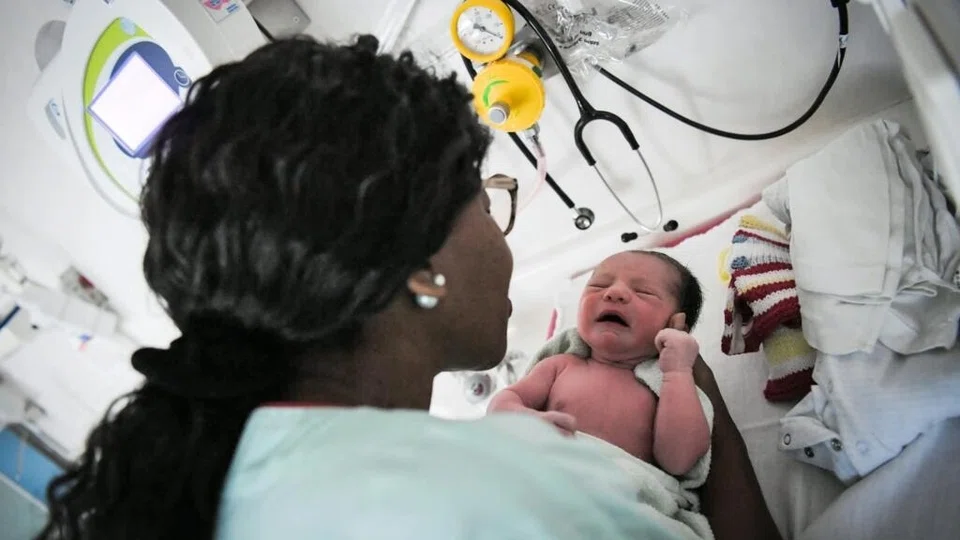
DeeperDive is a beta AI feature. Refer to full articles for the facts.
THE European Union (EU) has approved a preventative treatment for the very common virus that causes the chest infection bronchiolitis in infants, the companies that developed the drug said on Friday (Nov 4).
The greenlight from the European Commission comes as several countries have seen surging cases of bronchiolitis put pressure on hospitals.
British-Swedish pharmaceutical firm AstraZeneca and France’s Sanofi said their approved drug nirsevimab, marketed as Beyfortus, was the first treatment to prevent severe illness from respiratory syncytial virus (RSV) in all infants.
RSV infects nearly all children by the age of two, the companies said. It is the most common cause of bronchiolitis, a respiratory infection that is normally mild but in some cases can make infants seriously ill.
While not a vaccine, nirsevimab has a similar aim: to give protection against RSV with a single injection.
It is a monoclonal antibody treatment, which directly arms the body to fight against the disease, rather than a vaccine which triggers the immune system’s own antibodies.
Navigate Asia in
a new global order
Get the insights delivered to your inbox.
“Today is a landmark day for RSV prevention, as decades of research and development come together in the world’s first approval of a broadly protective option against RSV disease,” Sanofi’s vaccine executive vice-president Thomas Triomphe said in a statement.
The drug will not be available to help fight this season of bronchiolitis in the Northern Hemisphere, which has spurred the highest rate of hospitalisations for the disease in years in France.
“Beyfortus will be available for the next season – 2023 – of bronchiolitis,” Sanofi told AFP.
Another preventative treatment, also produced by AstraZeneca, already exists, though it is only advised for children born premature or who are considered at risk.
While there is no RSV vaccine currently available, several are in development.
Earlier this week US pharma giant Pfizer announced positive results for its RSV vaccine from a Phase 3 trial, paving the way for future approval.
Pfizer’s vaccine was nearly 82 per cent effective at preventing serious illness from RSV in the first three months of a baby’s life, the trial found.
More than 30 preventative treatments – either vaccines or monoclonal antibodies – are undergoing clinical trials, according to a review published in the journal Lancet Infectious Disease in August.
“RSV prevention is within reach,” the authors summarised, saying that the virus is the second leading cause of infant deaths worldwide, mostly in developing countries. AFP
Decoding Asia newsletter: your guide to navigating Asia in a new global order. Sign up here to get Decoding Asia newsletter. Delivered to your inbox. Free.
Copyright SPH Media. All rights reserved.
TRENDING NOW

From 1MDB to ‘corporate mafia’: Is Malaysia facing a new governance test?

Higher costs, lower returns: Why are Singaporeans still betting on real estate?

South-east Asian markets account for 8.8% of global capital inflows from 2021 to 2024: report

Richard Eu on how core values, customers keep Singapore’s TCM chain Eu Yan Sang relevant

