Factories making towels and bedsheets are shutting in Pakistan
 Add BT as a preferred source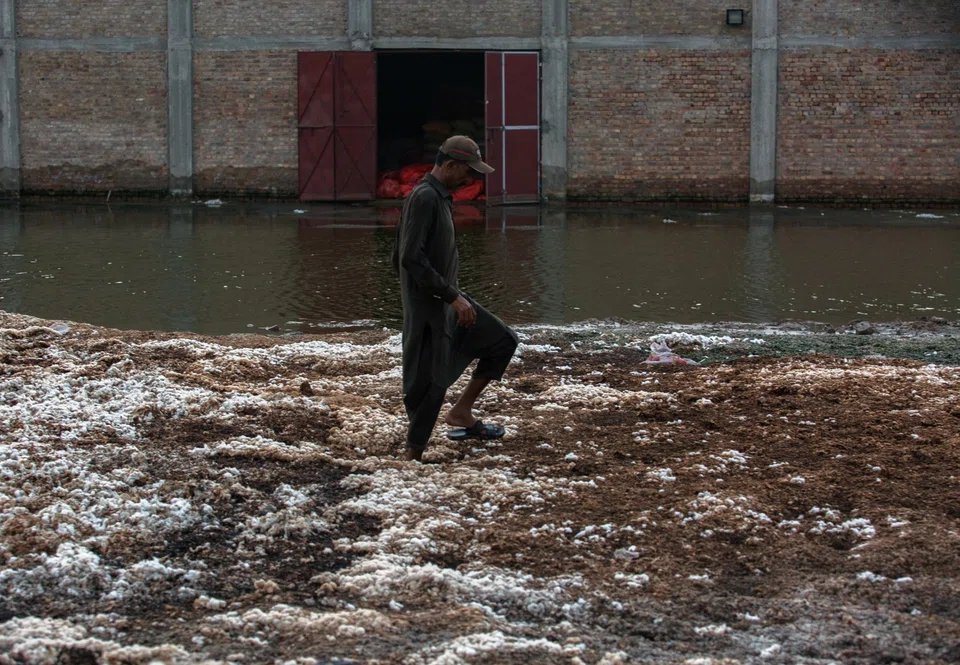
DeeperDive is a beta AI feature. Refer to full articles for the facts.
PAKISTAN’S small textile mills, which make products ranging from bedsheets to towels mainly for consumers in the US and Europe, are starting to shut after devastating floods wiped out its cotton crop.
As many as 100 smaller mills have suspended operations due to a shortage of good quality cotton, high fuel costs, and poor recovery of payments from buyers in flood-hit areas, said Khurram Mukhtar, patron-in-chief of the Pakistan Textile Exporters Association. Larger firms, which supply to global companies like Nike, Adidas, Puma, and Target, are less affected as they are well stocked, he said.
The mill closures underscore challenges for the sector that employs about 10 million people, accounts for 8 per cent of the economy and adds more than half to the nation’s export earnings. Their hardships have become acute due to recent floods, which submerged a third of Pakistan, killed more than 1,600 people, and damaged about 35 per cent of the cotton crop.
The latest blow comes at a difficult time for the South Asian nation that is already struggling with high inflation and falling currency reserves. The closure of firms, such as AN Textile Mills, Shams Textile Mills, JA Textile Mills and Asim Textile Mills, could worsen the country’s employment situation and hit its export earnings. Larger companies are also facing rough weather, with demand for their products seen falling about 10 per cent by December from now due to a slowdown in Europe and the US, Mukhtar said.
Due to an “unforeseen downturn in the market and unavailability of good quality cotton” following heavy rains and floods, the company’s mills have been temporarily closed, Faisalabad-based AN Textile said in an exchange filing earlier this month.
Cotton production in Pakistan could slump to 6.5 million bales (of 170 kilogrammes each) in the year that started in July, compared with a target of 11 million, Mukhtar said. That could force the nation to spend about US$3 billion to import cotton from countries such as Brazil, Turkey, the US, East and West Africa and Afghanistan, said Gohar Ejaz, patron-in-chief of All Pakistan Textile Mills Association. About 30 per cent of Pakistan’s textile production capacity for exports has been hampered because of cotton and energy shortages, Ejaz said.

Navigate Asia in
a new global order
Get the insights delivered to your inbox.
Pakistan’s textile sector, which exports about 60 per cent of its production, is also facing poor demand in the domestic market due to fragile economic conditions. Gross domestic product is estimated to halve from 5 per cent in the fiscal year ending June following the floods that led to damages of around US$30 billion. Pakistan secured a US$1.1 billion loan from the International Monetary Fund in August to avert an imminent default. BLOOMBERG
Decoding Asia newsletter: your guide to navigating Asia in a new global order. Sign up here to get Decoding Asia newsletter. Delivered to your inbox. Free.
Share with us your feedback on BT's products and services