

Feeding Asia will take US$1.5t by 2030 on health kick: report
This presents opportunity for investors such as family offices, venture capital and PE firms and SWFs
 Add BT as a preferred source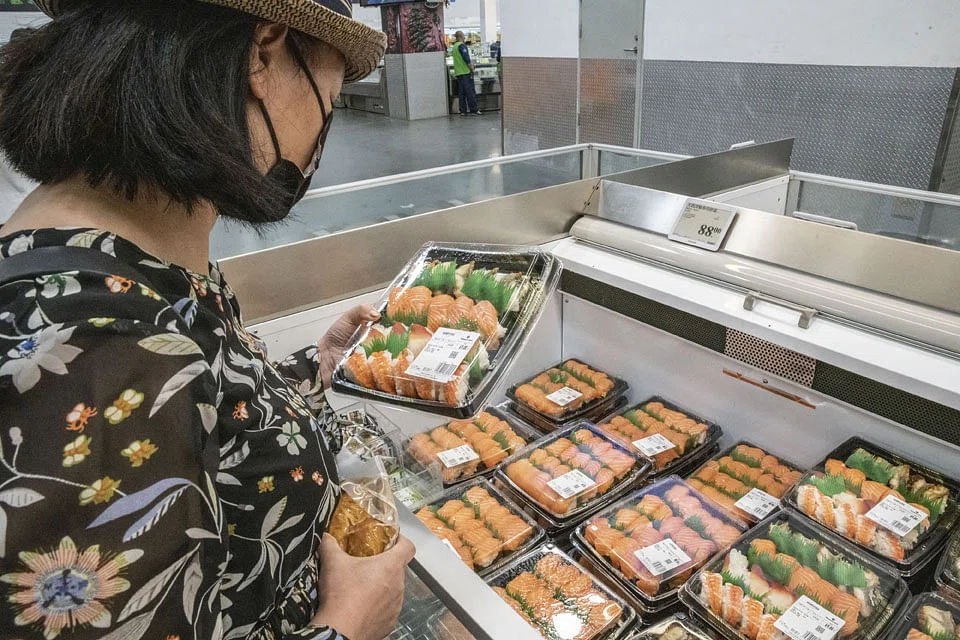
Singapore
IT WILL take more than US$1.5 trillion of investment to keep up with Asia's burgeoning food demand by the start of next decade as consumers buy more and increase spending on premium products.
Asian shoppers' spending will double to over US$8 trillion by 2030, according to a joint report by PwC, Rabobank and Singapore state investor Temasek Holdings.
The top trends shaping buying habits include healthy eating, food sustainability, demand for alternative proteins and online shopping.
Healthier diets are on the rise, with more Asians willing to boost spending on better-quality food.
But as the world grapples with food shortages and the effects of climate change, the Covid-19 pandemic has added another layer of complexity to the challenge of keeping Asia fed. It has changed how consumers eat and shop, said Ping Chew, Rabobank's head of food and agribusiness research for Asia.
The extra demand will need US$1.55 trillion of total investment across the value chain over the period, according to the report.
This presents an opportunity for investors such as family offices, venture capital and private equity firms and sovereign wealth funds, it said.
There has been a shift toward healthier habits, such as cooking at home, replacing red meat with fruit and vegetables and cutting out sugar.
In a survey, more than half of consumers said they are willing to pay a premium for better quality and healthier products - with the figure as high as 90 per cent for Chinese shoppers and 70 per cent for those in Hong Kong.
While there is still huge demand for animal protein in Asia, some people are eating less meat than they did three years ago, and their appetite for plant-based diets and alternative forms of protein has grown.
The main challenge is pricing and affordability, as many products in Asia are shipped from the West at high cost, Mr Ping said in an interview.
Online grocery buying will likely continue to build on the gains made during the pandemic. This is an area where Asia is a trend-setter, with China a global trailblazer, he said.
Purchases via online food platforms by 2025 will reach US$20 billion in South-east Asia and US$300 billion in China, the report showed. BLOOMBERG
Decoding Asia newsletter: your guide to navigating Asia in a new global order. Sign up here to get Decoding Asia newsletter. Delivered to your inbox. Free.
Share with us your feedback on BT's products and services
TRENDING NOW

Xi Jinping has just rewritten the rules of US-China rivalry
Yeo’s, Tiger Beer and now Gardenia – flight of food manufacturing from Singapore might be just as planned

Trek 2000 shares jump 41.5% after Osim founder Ron Sim drops claims, sells 7.3% stake to Azure Capital

Germany, Spain push back on European plan to ban Huawei gear

