Foreign brands that misfire in China
While Starbucks, KFC and Apple have done well to win over China's consumers, cultural and biological differences have highlighted the plight of some notable failures
 Add BT as a preferred source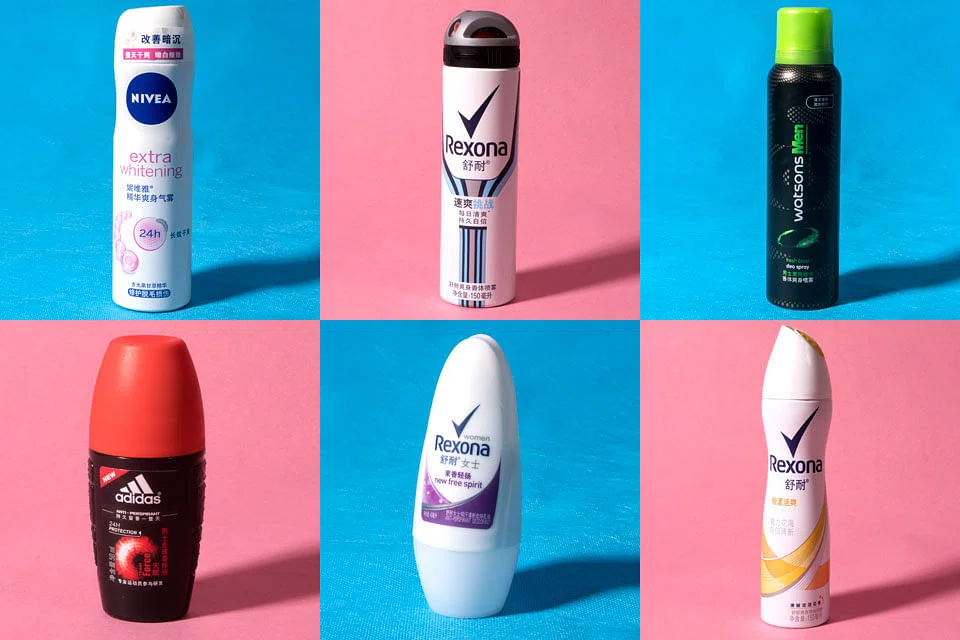
Beijing
UNILEVER brought its Rexona deodorant to China a decade ago, dreaming of a market with 2.6 billion armpits. Wages were rising, consumers were spending and the run-up to the 2008 Beijing Olympics was making Chinese people feel more cosmopolitan. More of them, it stood to reason, would be open to a Western hygiene product.
"We had created established markets for Rexona from scratch in many countries, and we did not see any reason why we couldn't do the same in China," Frank Braeken, Unilever's former China head, said by telephone from Dubai, where he now works as an investment consultant. "We had an extremely ambitious plan at the time," Mr Braeken said. But cultural differences and simple biology - scientists have shown that many East Asian people don't have Westerners' body odour issues - scotched those plans. Sales totalled only a fraction of the Chinese marketing budget for Rexona, Mr Braeken said.