Japan curry shops see record bankruptcies as rice prices soar
Thirteen curry shops with more than 10 million yen (S$89,345) in debt filed for bankruptcy in the year ending in March
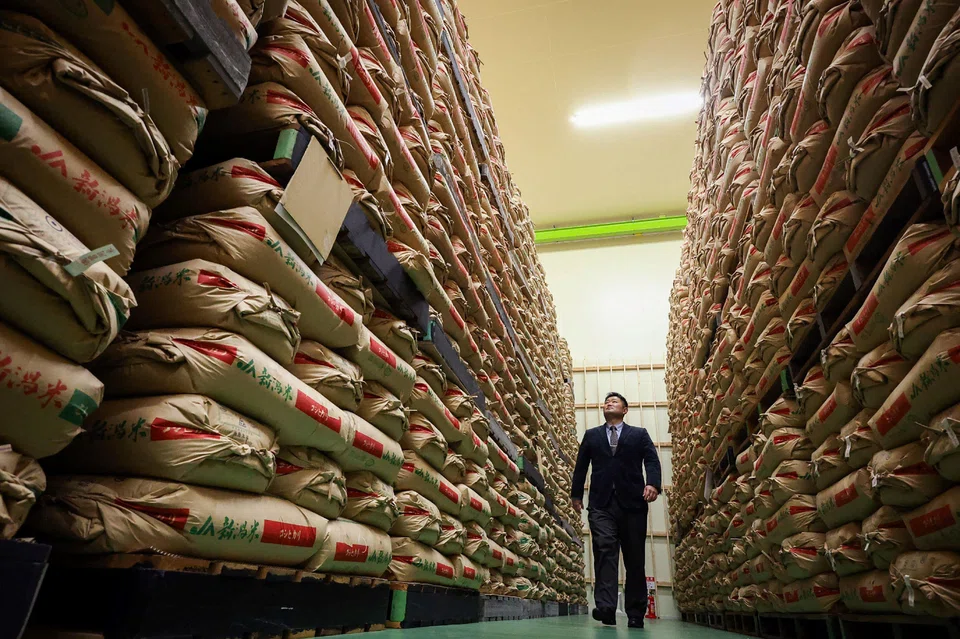
[TOKYO] A record number of curry shops in Japan went out of business in the past year, as purveyors of one of the country’s most beloved dishes took a hit from soaring rice prices.
Thirteen curry shops with more than 10 million yen (S$89,345) in debt filed for bankruptcy in the year ending in March – marking a record high for the second consecutive year, according to a report from Tokyo-based research firm Teikoku Databank. The total number of bankruptcies is likely much higher when considering smaller mom-and-pop shops, Teikoku said.
Prices of mainstay ingredients in Japanese curry – such as rice, spices, meat and vegetables – have gone up due to a rice shortage, adverse weather and a weak yen, the report said. Higher energy prices have also dented the profits of shop operators.
Japanese curry, a thick brown sauce containing meat and vegetables, is usually served on a bed of rice. A basic curry rice dish, a classic comfort food, now costs 365 yen – a record high, according to Teikoku.
Prime Minister Shigeru Ishiba’s government has been scrambling to combat skyrocketing rice prices in Japan by releasing stockpiles of the staple ahead of a summer election.
During the coronavirus pandemic, takeout and delivery orders had fuelled a curry boom – that has now also slowed and hurt sales for curry shops, Teikoku said. BLOOMBERG
Decoding Asia newsletter: your guide to navigating Asia in a new global order. Sign up here to get Decoding Asia newsletter. Delivered to your inbox. Free.
Share with us your feedback on BT's products and services