JD.com unveils US$5 billion share buyback as China concerns grow
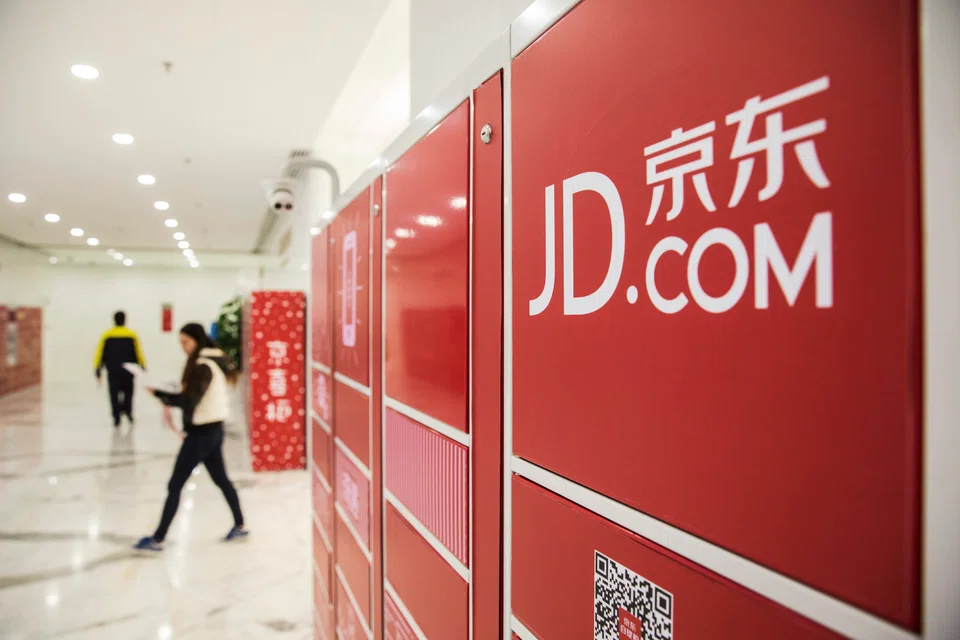
JD.COM plans to buy back as much as US$5 billion of its shares, moving to appease investors worried about a potentially worsening Chinese consumer downturn.
The company on Tuesday (Aug 27) outlined plans to repurchase its own stock from September through to August 2027. Its shares climbed more than 4 per cent in pre-market trading in New York
JD’s latest stock buyback plan emerged a week after Walmart announced it had sold its stake in the e-commerce firm, stoking concerns about the outlook for consumer spending in the world’s No 2 economy. Temu-owner PDD Holdings on Monday surprised investors with an unusually gloomy outlook, underscoring how the nation’s economic malaise is taking a toll on a broad swath of the retail industry.
PDD’s warning stunned investors because the company was long viewed as the main beneficiary of a Chinese “consumer downgrade” – its low-pricing strategy on Pinduoduo domestically and Temu abroad was intended to appeal to cost-conscious shoppers at a time of unprecedented economic volatility. JD shares fell about 4 per cent in Hong Kong, before it announced the repurchase programme.
PDD’s disappointing results were the latest in a series of red flags about the Chinese economy. This week, popular fast food chain Din Tai Fung – long one of the most popular restaurant brands across the country – revealed it was shutting more than a dozen outlets. Last month, Starbucks Corp. disclosed a 14 per cent plummet in Chinese revenue in the June quarter. BLOOMBERG
Decoding Asia newsletter: your guide to navigating Asia in a new global order. Sign up here to get Decoding Asia newsletter. Delivered to your inbox. Free.
Share with us your feedback on BT's products and services