

J&J loses a round in bankruptcy spat over baby powder suits
 Add BT as a preferred source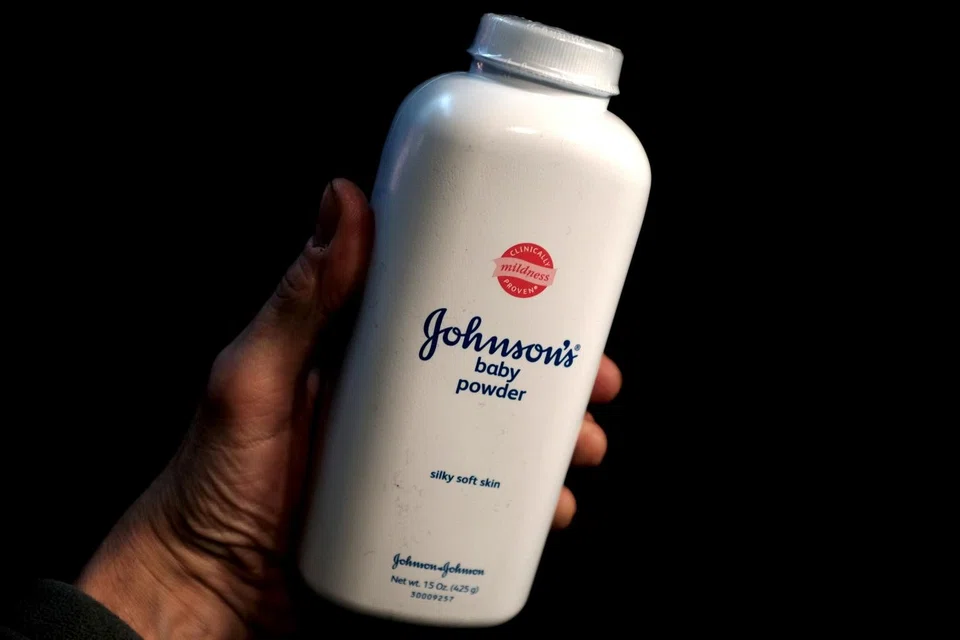
[CHARLOTTE] Johnson & Johnson can't immediately halt lawsuits claiming the company's talc baby powder hurt tens of thousands of women, a federal judge ruled.
US Bankruptcy Judge Craig Whitley sided with lawyers for more than 38,000 people who have sued J&J over claims one of the company's most recognised products caused cancer and other health problems. The ruling, over whether the lawsuits can continue during bankruptcy proceedings, is just the opening move in what is likely to be a long court fight.
Whitley rejected J&J's request for a temporary pause in the cases. But he will consider giving J&J a longer-term shield early next month when the parties come back for a hearing in which the company may be able to offer more evidence to support its position.
"It is troubling we can't find agreements" that back up J&J's claims, Whitley said during a hearing in Charlotte, North Carolina, on Friday. J&J was unable to find key documents that could prove a corporate restructuring in late 1978 moved responsibility for older talc claims away from the parent.
After the number of lawsuits claiming harm from J&J products rose, the company set up a new unit that is responsible for paying off the claims and then put that entity into bankruptcy. The unit, LTL Management, will try to negotiate a trust fund that would end all current and future lawsuits related to J&J's talc products.
Earlier this year, the company paid US$2.5 billion to about 20 women who blamed J&J's baby powder for their ovarian cancer. Both the Missouri Supreme Court and the US Supreme Court refused to overturn the verdict.
Whitley did agree to halt lawsuits involving the bankrupt LTL unit because it automatically qualifies under Chapter 11 rules. But that will not stop cases - including some that are nearing a jury verdict - against the parent company, J&J, whose stock is valued at US$431 billion.
A less valuable subsidiary, Johnson & Johnson Consumer, became responsible for all talc claims after a December 1978 restructuring, company lawyer John K. Kim testified in court. When pressed by attorneys for alleged victims, Kim said two separate searches failed to turn up key documents proving that.
The question is important because J&J Consumer was broken into two parts under Texas corporate law, with one half getting all the assets and the other all the talc liabilities. If older talc claims can still be directly tied to the non-bankrupt parent, J&J, that entity must continue to face lawsuits, lawyers for talc victims argued.
Whitely sided with those lawyers, for now. He said that J&J can try again to halt the cases when it returns to court on Nov 4.
BLOOMBERG
Decoding Asia newsletter: your guide to navigating Asia in a new global order. Sign up here to get Decoding Asia newsletter. Delivered to your inbox. Free.
Share with us your feedback on BT's products and services
TRENDING NOW

Yeo’s, Tiger Beer and now Gardenia – flight of food manufacturing from Singapore might be just as planned

Not beyond compare: Genting Singapore’s weak hand is getting harder to hide

Johor property old hand KSL readies family handover amid market boom

DBS CEO Tan Su Shan ranks sixth globally on Fortune’s most powerful women list in 2026

